Radiation therapy, also known as radiotherapy, is a vital cancer treatment option in the fight against cancer, utilizing high-energy radiation to target and destroy cancer cells. It can be administered externally, as external beam radiation, or internally, as internal radiation therapy, depending on the type and location of the tumor. Guided by a team of radiation oncologists, including medical dosimetrists, the therapy is carefully tailored to ensure maximum efficacy while minimizing side effects.
There are various types of radiation therapy:
- External Beam Radiation: Delivers radiation from a machine outside the body, focusing precisely on tumors.
- Internal Radiation Therapy (Brachytherapy): Involves placing radioactive material directly inside or near the tumor.
- Systemic Radiation Therapy: Uses radiopharmaceuticals to travel through the bloodstream, targeting cancer cells body-wide.
Preparation for radiation therapy includes thorough medical evaluations, imaging scans, and treatment planning to align the therapy with the patient’s specific cancer diagnosis. Patients can expect multiple treatment sessions and should be aware of potential side effects like fatigue and skin irritation, with strategies available to manage these effects effectively.
Post-treatment follow-up care is crucial for monitoring patient recovery, assessing treatment success, and supporting the patient’s overall well-being, emphasizing the importance of regular check-ins with healthcare providers to manage any lingering cancer symptoms and address radiation effects.
Key Takeaways:
Overview of Radiation Therapy

Radiation therapy, or radiotherapy, uses high-energy radiation, such as X-rays, to target and destroy cancer cells and shrink tumors.
Radiation therapy can be external or internal, chosen based on cancer type, tumor type, and location, and can be a part of a comprehensive treatment plan.
Radiation therapy is managed by a radiation therapy team, including radiation oncologists and medical dosimetrists, ensuring personalized treatment plans and addressing radiation dosage and exposure.
What is Radiation Therapy?
Radiation therapy is a type of cancer treatment that uses high-energy radiation, like X-rays, to destroy cancer cells and shrink tumors, also used sometimes for benign tumors and supportive care in palliative care settings.
Radiation therapy targets rapidly dividing cancer cells, making it effective in treating certain cancers.
Radiation therapy involves precise planning by specialists to maximize treatment efficacy and minimize side effects.
Types of Radiation Therapy
Types of radiation therapy include:
- External beam radiation
- Internal radiation therapy (brachytherapy)
- Systemic radiation therapy
External beam radiation uses machines to direct radiation at cancer from outside the body.
Internal radiation therapy, or brachytherapy, involves placing radioactive material inside the body near cancer cells.
Systemic radiation therapy delivers radioactive substances through the bloodstream to target cancer cells throughout the body.
External Beam Radiation
External beam radiation is a cancer treatment method that uses high-energy radiation from a machine outside the body to target tumors precisely.
This method minimizes exposure to surrounding healthy tissue.
External beam radiation treatments are typically administered in multiple sessions over several weeks.
Internal Radiation
Internal radiation therapy, also known as brachytherapy, involves placing radioactive materials inside or near a tumor to deliver high radiation doses directly to the cancer.
Brachytherapy effectively treats localized cancers such as prostate, cervical, and breast cancer, offering a targeted approach to tumor treatment with reduced radiation exposure to healthy tissue.
Methods include using seeds, wires, or ribbons that emit radiation over time.
Brachytherapy reduces side effects and accelerates recovery compared to external radiation.
Systemic radiation therapy uses radiopharmaceuticals injected into the bloodstream to target cancer cells body-wide.
Preparing for Radiation Therapy

Preparing for radiation therapy involves initial medical evaluations, imaging scans, a simulation process, and treatment simulation to tailor the therapy to the patient’s condition.
The radiation therapy team collaborates with healthcare providers to align the treatment with the patient’s cancer diagnosis and health status.
Preparation includes marking the treatment area on the body and discussing potential side effects and care during treatment.
Medical Evaluation and Planning
Medical evaluation and planning in radiation therapy involve assessing a patient’s health and cancer specifics to create a tailored treatment plan.
This phase includes reviewing medical history, imaging studies, and tests to understand the tumor’s characteristics, and to determine the appropriate radiation dosage and treatment options.
A radiation oncologist coordinates with healthcare providers for a multidisciplinary approach, addressing cancer treatment and patient quality of life.
What to Expect During Treatment
During radiation treatment, patients can expect to undergo multiple sessions where targeted radiation is delivered to tumors using specialized radiation machines. Each session typically involves positioning the patient accurately, delivering the radiation, and monitoring for side effects.
Patients should be informed about potential side effects such as fatigue, skin irritation, changes in appetite, and potential radiation risks.
They will receive guidance on managing these effects throughout the treatment process, including dietary needs and supportive care options.
Procedure and Side Effects
The procedure for radiation treatment involves precise targeting of tumors using imaging studies to minimize damage to healthy tissue.
Patients may experience side effects such as fatigue, skin irritation, and localized discomfort during radiation therapy.
Communicating side effects to the healthcare team is essential for managing symptoms effectively.
Managing Side Effects
Managing side effects of radiation therapy involves strategies like maintaining hydration, using prescribed skin care treatments, following a balanced diet, and adhering to patient care and patient support strategies.
Managing side effects also includes monitoring symptoms closely and consulting healthcare providers for personalized care.
Tips and Strategies for Coping
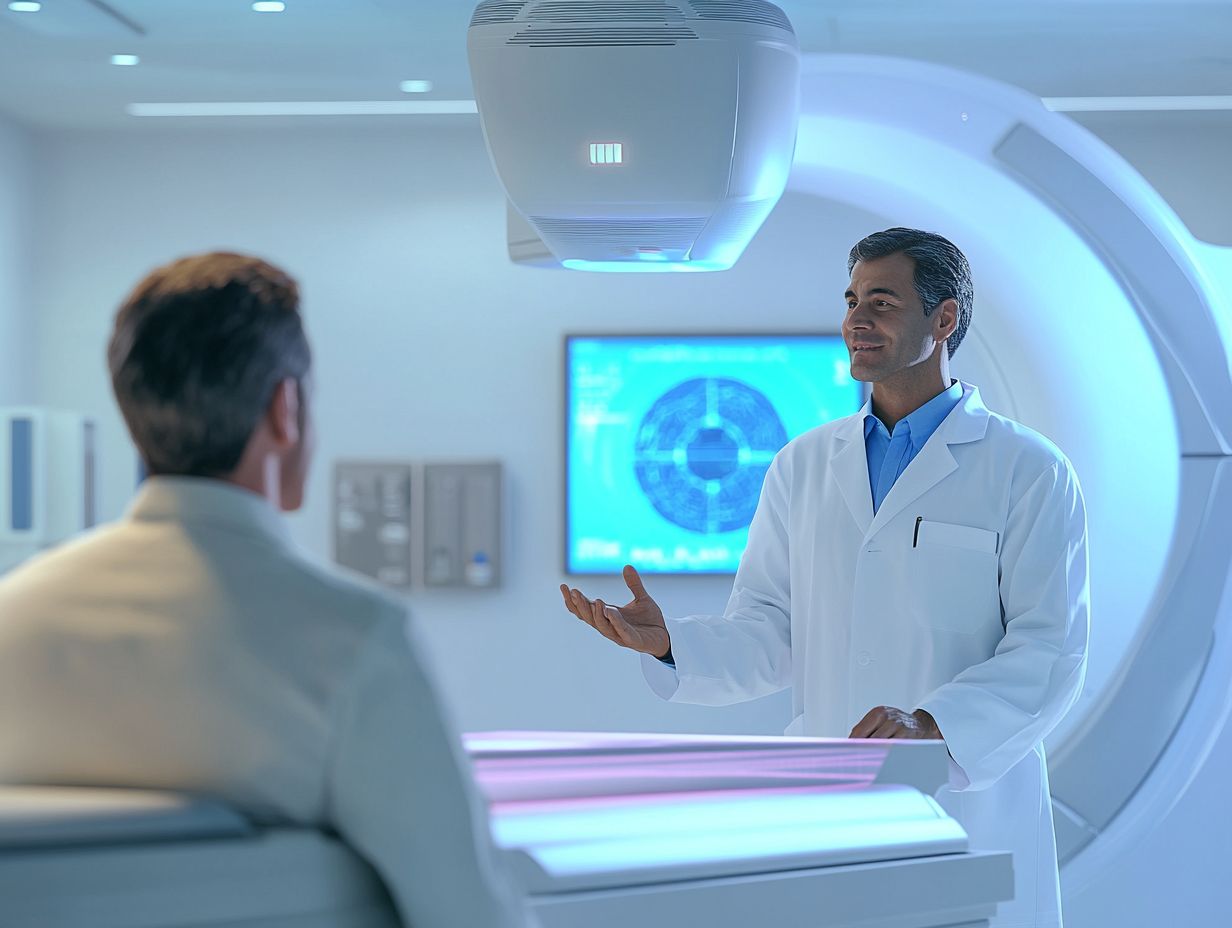
To cope with radiation therapy side effects, patients can stay hydrated, maintain a balanced diet, and seek support from healthcare providers.
Implementing self-care practices like gentle exercises and mindfulness can reduce stress.
Regular check-ins with healthcare providers offer tailored advice for managing symptoms like fatigue and skin irritation.
Joining support groups provides community and practical suggestions.
Follow-up Care and Monitoring
Follow-up care and monitoring assess the effectiveness of cancer treatment, manage side effects, address dose limits, and support patient recovery and therapy effectiveness.
Healthcare providers, including cancer specialists, conduct regular check-ups, evaluate radiation therapy results, adjust treatment plans as needed, and provide palliative treatments if necessary.
Follow-up care ensures ongoing patient health and addresses any complications or recurrence.
Importance of Follow-up Care
Follow-up care is important for monitoring patient recovery and ensuring effective treatment outcomes.
Follow-up care detects cancer recurrence and manages side effects from radiation therapy.
Patients receive support for physical and emotional challenges post-treatment.
Regular check-ins with healthcare professionals address symptoms, lifestyle changes, and provide emotional support.
Follow-up care enhances the patient’s quality of life and is essential in post-treatment health management.
Frequently Asked Questions
What is radiation therapy and how does it work?
Radiation therapy is a type of cancer treatment that uses high-energy particles or waves to destroy cancer cells. It works by damaging the DNA of cancer cells, preventing them from growing and dividing. This ultimately leads to the death of the cancer cells.
What can I expect during a radiation therapy session?

Before starting radiation therapy, your radiation oncologist will map out the exact location where the radiation will be targeted. During each session, you will lie still on a table while a machine delivers the radiation to the specific area of your body. The actual treatment only takes a few minutes, but the entire session may last up to an hour.
Will I experience any side effects from radiation therapy?
As with any cancer treatment, there are potential side effects from radiation therapy. These may include fatigue, skin irritation, and changes in appetite or digestion. However, the severity and type of side effects vary for each individual and can often be managed with medication or lifestyle changes.
How long will my radiation therapy treatment last?
The therapy duration of radiation therapy treatment depends on various factors, including the type of cancer, its location, and the stage of the cancer. Generally, radiation therapy is given for several weeks, with treatments scheduled five days a week. The total number of treatments can range from 5 to 40 or more, depending on the treatment schedule and therapy effectiveness.
Is radiation therapy the only treatment I will need?
Radiation therapy is often used in conjunction with other cancer treatments, such as surgery or chemotherapy. Your doctor will determine the best treatment plan for your specific case, considering radiation therapy cost and the best approach for tumor shrinkage. Radiation therapy may be used before or after other treatments to shrink tumors, kill remaining cancer cells, or prevent recurrence.
Will I be able to continue my normal activities during radiation therapy, such as external beam radiation or internal radiation therapy?
Many people are able to continue their daily activities, such as work and exercise, while undergoing radiation therapy, which is a common cancer treatment. However, you may experience some fatigue, so it’s important to listen to your body and rest when needed. Your radiation oncologist may also recommend some dietary needs and lifestyle changes during treatment. It’s also important to follow any recommendations from your doctor regarding diet and lifestyle changes during treatment to minimize radiation effects on healthy tissue.