Utilizing community health resources is vital for enhancing individual and community well-being. These essential resources include a wide range of services such as medication delivery, mental health support, and food security assistance, all designed to help manage health and wellness effectively.
Community Health Workers (CHWs) play a crucial role in connecting patients with these resources, advocating for their needs, and providing health education through home visits and community outreach.
Community health resources encompass medical facilities, non-profit organizations, and government programs that offer healthcare services, health education, and support. Medical facilities provide direct care and preventive services, while non-profits enhance health access through advocacy and education.
Government programs address social determinants of health by offering essential services like nutrition, mental health support, and medication access.
Accessing these resources involves identifying local services, understanding eligibility criteria, and completing necessary applications, often with the assistance of CHWs. By leveraging community health resources, individuals can achieve cost savings, improved access to care, and enhanced health education, leading to better management of chronic diseases and improved social support for overall health outcomes.
Key Takeaways:
Understanding Community Health Resources

Understanding community health resources involves recognizing services like medication delivery, mental health support, and food security assistance, which are crucial for addressing social needs.
Community Health Workers (CHWs) provide support and advocacy for patients, helping them navigate care and access these resources.
CHWs bridge the gap between the health care system and the community through home visits and health education.
What are Community Health Resources?
Community health resources are programs and services designed to help individuals manage their health and wellness.
These resources include access to preventive care, education on chronic disease management, mental health services, and social support networks.
Community health workers connect individuals with these resources and raise awareness through health campaigns and advocacy efforts.
Types of Community Health Resources
Community health resources include medical facilities, non-profit organizations, and government programs that provide healthcare services, health education, and support to individuals.
Medical facilities like clinics and hospitals offer direct healthcare services. Non-profit organizations provide health education and support services, while government programs ensure access to affordable healthcare and resources.
Medical Facilities
Medical facilities are institutions that provide healthcare services, including treatment for chronic diseases and preventive care.
Medical facilities educate the public on health risks and prevention, offering both physical and mental health support.
Collaboration with community health workers helps medical facilities ensure timely access to healthcare services and improve community well-being.
Non-Profit Organizations
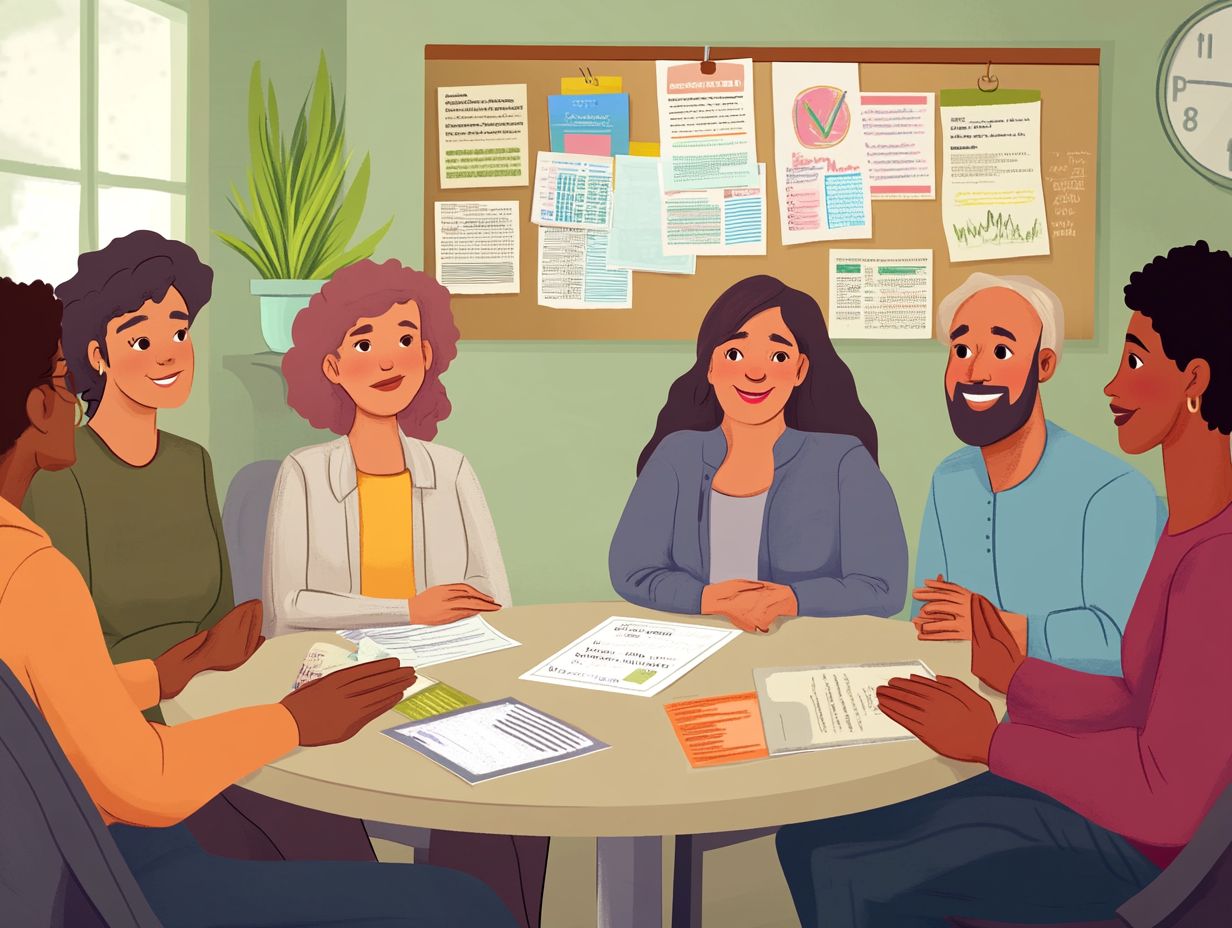
Non-profit organizations improve community health by providing patient advocacy and health campaigns to raise awareness of health issues.
These organizations enhance healthcare access through partnerships with local providers and volunteers, offering educational programs on topics like diabetes management and mental health.
Non-profits transform local health outcomes by increasing awareness and fostering community engagement.
Government Programs
Government programs are initiatives designed to provide social support and resources to improve food security and overall well-being in communities.
These programs offer essential services such as medical care, nutrition support, mental health resources, and food boxes.
Government programs aim to address immediate health concerns and underlying social determinants of health.
Collaboration with community health workers ensures these services reach vulnerable populations effectively, providing emotional support and engagement through community health initiatives.
How to Access Community Health Resources
Access community health resources by identifying available local services such as clinics, health departments, and support groups.
To access these resources, check eligibility criteria and complete necessary applications, often found on local government websites or community organizations, with the help of clinical-community partnerships.
Contact local health agencies directly for guidance and to understand specific requirements for accessing services.
Eligibility and Application Process
Eligibility for community health resources depends on factors such as income, health conditions, and residency status.
The application process typically requires documentation, including proof of income and identification.
Community health workers assist applicants in understanding eligibility requirements and completing the application process.
Benefits of Utilizing Community Health Resources
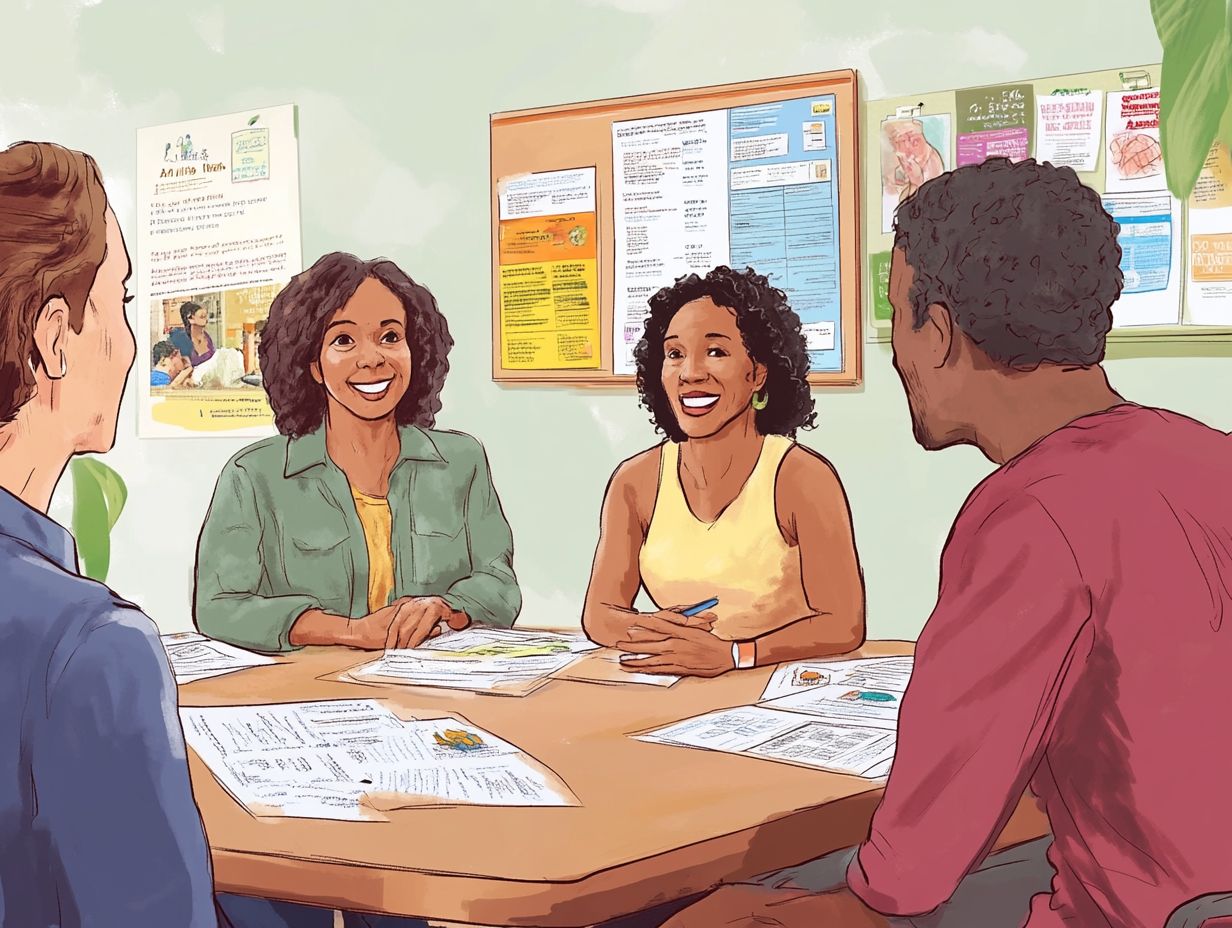
Utilizing community health resources provides benefits such as cost savings, improved access to care, enhanced health education, and support for managing chronic diseases.
Community health resources can offer free or low-cost services, making healthcare more affordable.
Accessibility to preventive services, screenings, and vaccinations increases through community health programs.
Health education and support groups help individuals understand and manage their health conditions better.
Cost Savings and Improved Access to Care
Community health resources offer cost savings by reducing emergency treatments and improving access to care, through partnerships with organizations like the Substance Abuse and Mental Health Services Administration and the Veterans Crisis Line.
These resources connect underserved populations with medical services, preventing severe health issues and lowering healthcare costs.
Community initiatives enhance preventive care and educate residents, leading to healthier lifestyle choices.
Improved access to care results in fewer hospital visits and lower overall healthcare expenses.
Tips for Maximizing the Use of Community Health Resources
Maximizing the use of community health resources involves identifying available services, engaging local health providers, and educating the community on resource access.
- Form partnerships with local health organizations to increase resource visibility and availability.
- Conduct community workshops and informational sessions to inform residents about health resources and how to access them.
- Use digital platforms to share information and connect community members with health services efficiently.
Networking and Building Relationships
Networking and building relationships with community health workers and organizations enhance advocacy efforts for patients by improving access to resources.
Collaboration among healthcare stakeholders creates networks that amplify advocacy and resource-sharing impact.
Engagement through local health initiatives and community meetings strengthens these relationships, leading to improved health outcomes, as seen in countries like Rwanda, Haiti, Peru, and Mexico through efforts like Partners In Health addressing diseases such as tuberculosis.
Frequently Asked Questions
What are community health resources?
Community health resources are any services, programs, or organizations that provide support and promote health and wellness within a specific community. These resources can include healthcare facilities, non-profit organizations, support groups, and government agencies.
How can I find community health resources in my area?
One way to find community health resources in your area is to contact your local health department. They can provide you with a list of available resources and programs. You can also search online for community health directories or ask your healthcare provider for recommendations.
Are community health resources free?
Not all community health resources are free, as some may require payment or insurance. However, many resources and programs are available at little to no cost. It is important to research and inquire about any potential fees before utilizing a community health resource.
What types of services are typically offered by community health resources?
Community health resources can offer a wide range of services, including preventive care, health education, mental health support, substance abuse treatment, and chronic disease management. They may also provide access to affordable healthcare options and resources for underprivileged individuals, such as assistance with bus fares and hotel vouchers.
How can I get involved with my community’s health resources?
There are many ways to get involved with your community’s health resources. You can volunteer your time, donate to a specific organization, or participate in community health events and initiatives. You can also advocate for better access to healthcare and resources within your community.
Can community health resources benefit my overall health and well-being?
Yes, utilizing community health resources can have a positive impact on your overall health and well-being. These resources can help you manage existing health conditions, prevent future health issues, and provide support for any mental or emotional struggles. They also offer a sense of community and support, which can improve overall well-being.