Finding the right oncologist is a crucial step in managing cancer care effectively. As specialized medical professionals, oncologists diagnose and treat cancer through a combination of therapies, such as chemotherapy, radiation therapy, and surgery. Choosing the right oncologist involves considering their specialty—whether it be medical oncologist, surgical oncologist, or hematologist oncologist—and their experience with your specific cancer type.
Other factors to consider include:
- Location, proximity, and accessibility to the oncology department
- Insurance coverage
- Patient reviews, which provide insights into an oncologist’s communication style and patient satisfaction.
Utilizing online resources, healthcare network platforms, and referrals from primary care doctors can also help in identifying a qualified oncologist. During consultations, asking pertinent questions about treatment options, communication style, and success rates ensures a comprehensive understanding of your care path.
Establishing trust and comfortable communication with your oncologist fosters effective treatment and improved health outcomes. Additionally, seeking second opinions and continuous monitoring are vital to confirming your treatment plan and exploring additional options.
By taking a proactive approach in selecting an oncologist, patients can better navigate their health journey with confidence and clarity.
Key Takeaways:
Understanding the Role of an Oncologist

An oncologist is a medical doctor who diagnoses and treats cancer.
An oncologist manages cancer care using methods like chemotherapy, radiation therapy, and surgery.
An oncologist coordinates treatment plans and works with other medical professionals to provide comprehensive cancer care.
What is an Oncologist?
An oncologist is a doctor who diagnoses and treats cancer.
Oncologists specialize in various areas, including:
- Medical oncology
- Surgical oncology
- Hematologic oncology
Medical oncologists administer chemotherapy and systemic treatments.
Surgical oncologists remove tumors and surrounding tissues.
Hematologist oncologists treat blood cancers like leukemia and lymphoma.
Factors to Consider When Choosing an Oncologist
Factors to consider when choosing an oncologist include the oncologist’s specialty, experience, credentials, reputation, and patient reviews.
Consider the oncologist’s experience with your specific cancer type, their involvement in clinical trials, and ability to offer various advanced treatment options.
Patient reviews provide insight into communication style and satisfaction.
Specialty and Experience
When selecting an oncologist, consider their specialty and experience, as these factors influence the treatment of specific cancer types.
- Medical oncologists focus on chemotherapy and targeted therapies.
- Surgical oncologists specialize in tumor removal.
- Hematologist oncologists treat blood cancers like leukemia.
Oncologist experience and subspecialty impact treatment plans and patient outcomes.
Location and Accessibility
Location and accessibility of an oncologist’s facility affect treatment experience by influencing proximity to home or primary care doctor.
Nearby oncologist facilities and academic treatment centers offer convenience for frequent visits and enhance patient-provider relationships.
Access to local healthcare networks improves supportive services and treatment adherence.
Insurance Coverage
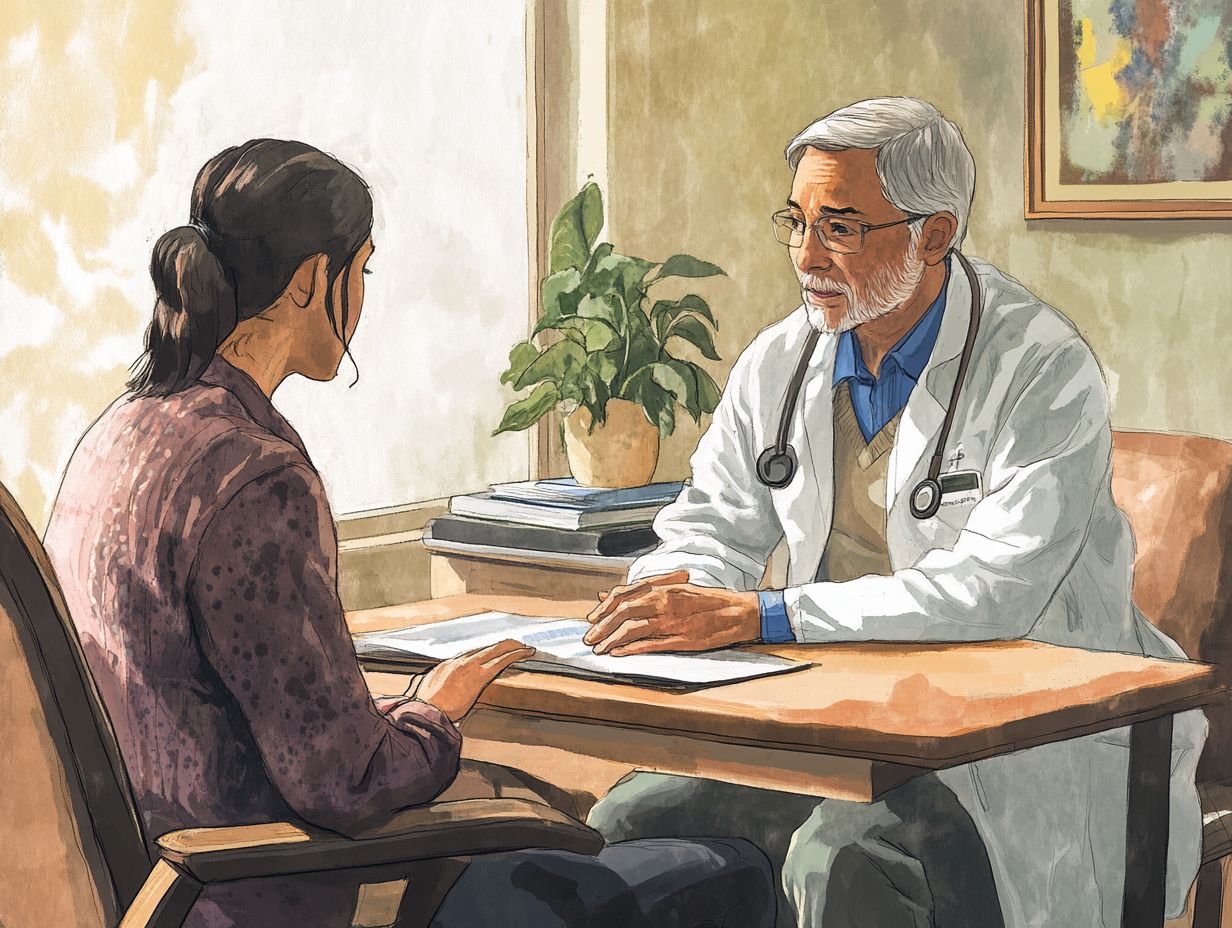
Insurance coverage refers to the extent to which an insurance policy will cover medical expenses.
Understanding your insurance coverage is crucial when selecting an oncologist to ensure they are in-network and avoid unexpected expenses.
Verifying which oncologists accept your insurance plan helps manage financial responsibilities during treatment and can involve seeking expert advice from a medical society or healthcare providers.
Seeking financial counseling can provide clarity and assist with navigating financial burdens associated with cancer care.
Researching and Evaluating Potential Oncologists
Researching and evaluating potential oncologists involves gathering information from patient reviews, primary care doctor referrals, reputable healthcare networks, and exploring the oncology department at local hospitals.
To evaluate an oncologist, consider their involvement in clinical trials and their treatment approach.
Leveraging online resources can help assess their expertise and quality of care.
Online Resources and Referrals
Utilizing online resources and obtaining referrals helps find a qualified oncologist. Online platforms provide reviews, hospital affiliations, and expertise areas of oncologists.
Personal referrals from primary care doctors give insights into the competence and suitability of oncologists for specific patient needs.
Questions to Ask During the Consultation
Questions to ask during an oncologist consultation include:
- What treatment options do you offer for my type of cancer?
- How do you communicate treatment updates and potential side effects?
- What is your experience with my specific cancer type?
- What are your success rates and patient outcomes?
Making Your Decision and Starting Treatment
Making your decision and starting treatment involves selecting an oncologist, building a trusted relationship, and considering a second opinion.
Ensure comfort and trust in the oncologist to facilitate open communication during the treatment process.
Obtaining a second opinion can confirm treatment choices and explore additional options.
Trust and Comfort Level
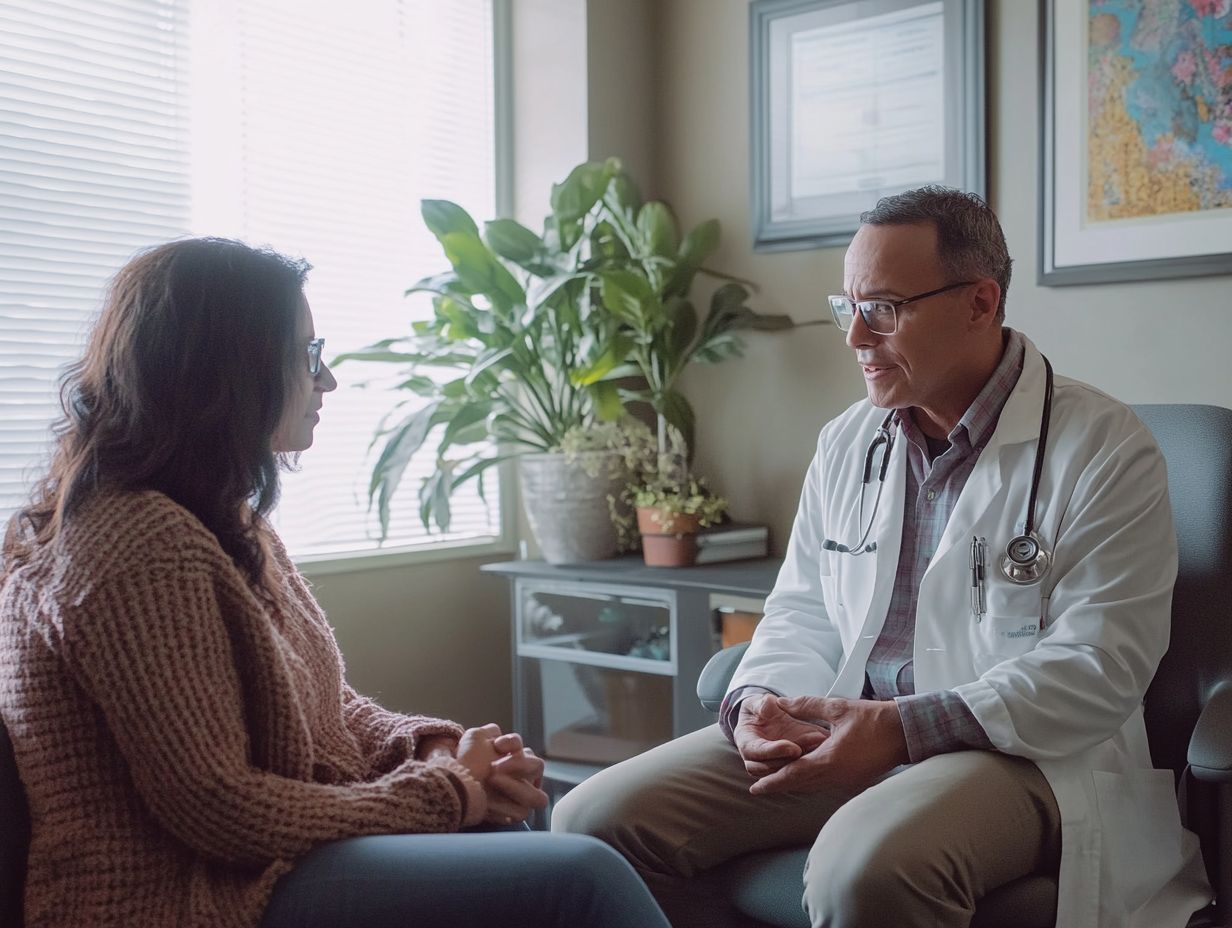
Trust and comfort level with your oncologist are essential for effective cancer treatment.
High trust and comfort enable patients to express concerns, follow treatment protocols, and maintain a positive mindset.
Establishing trust facilitates smooth discussions about side effects, treatment adjustments, and lifestyle changes.
Patients should ask clear questions, share personal preferences, and communicate feelings actively to build rapport.
Improved trust and communication lead to better health outcomes.
Communication and Support
Effective communication with your oncologist is vital in cancer treatment, ensuring clear discussions about concerns and symptoms.
Support includes emotional assistance that impacts mental well-being positively.
Prepare questions for appointments to help oncologists understand unique patient needs.
Strong communication fosters a collaborative care plan and give the power tos patient health management.
Second Opinions and Continued Monitoring
Seeking a second opinion in cancer treatment corroborates the initial diagnosis and may reveal additional treatment options or clinical trials.
Continued monitoring, through regular check-ups and assessments, enables real-time adjustments to treatment strategies, ensuring optimal care.
Frequently Asked Questions
What is an oncologist and why is it important to find the right one for you?
An oncologist is a doctor who specializes in the diagnosis and treatment of cancer. It is important to find the right oncologist for you because they will be responsible for developing a treatment plan specific to your type of cancer and individual needs.
Where can I start my search for the right oncologist?

You can start by asking for referrals from your primary care doctor, friends, and family. You can also research online for oncologists in your area and read patient reviews. It is important to consider factors such as their experience, specialization, and location when choosing an oncologist.
What questions should I ask when meeting with potential oncologists?
You should ask about their experience and training, their approach to treatment, potential side effects and complications, and their availability for appointments. It is also important to discuss insurance coverage and costs.
Can I seek a second opinion when choosing an oncologist?
Yes, it is always recommended to seek a second opinion when making a decision as important as choosing an oncologist. It can provide you with more information and options, and ultimately give you peace of mind in your decision.
How can I ensure a good relationship with my oncologist?
Communication is key in developing a good relationship with your oncologist. Make sure to ask questions and express any concerns you may have. It is also important to follow their recommended treatment plan and keep them updated on any changes in your health.
What if I am not satisfied with my oncologist?
If you are not satisfied with your oncologist, you have the right to switch to a different one. It is important to communicate your concerns and reasons for switching to your current oncologist before making the change. It is also important to have all necessary medical records transferred to your new oncologist for continuity of care.