Discussing care preferences with family is a crucial step in ensuring that aging parents receive the support and attention they truly need. Understanding and prioritizing these preferences allows for a personalized approach to care, catering to both personal care and health needs, and addressing essential needs and preferences.
Care preferences cover various aspects, including preference assessment and:
- Daily assistance
- Family involvement in decision-making
- Communication methods
- Dementia care and support
- Resident preferences in nursing home care
By engaging in open communication, families can foster trust, reduce emotional stress, and enhance the overall quality of life for their loved ones, addressing emotional wellbeing and creating a strong support system.
Preparation is key for these discussions, involving gathering relevant data and focusing on essential topics such as healthcare decisions, ensuring alignment with long-term care goals like:
- Physical health
- Psychological well-being
- Lifestyle preferences
Effective communication strategies, including active listening and empathy, are vital in facilitating productive dialogues, trust building, and overcoming any resistance or disagreements, especially in meaningful conversations about health crises.
Ultimately, creating a care plan and maintaining continual communication ensures that care arrangements remain aligned with personal preferences and adapt to changing circumstances, supporting a harmonious family environment and addressing resident rights and healthcare proxy considerations.
Key Takeaways:
Understanding Care Preferences and Resident Rights

Understanding care preferences means identifying and prioritizing the personal and health care choices of aging parents, ensuring alignment with their long-term care needs and supporting individual preferences and autonomy.
Care preferences encompass preferences for personal care, emotional support, and communication methods to improve quality of life and patient autonomy, integrating care planning and caregiver support.
What are Care Preferences?
Care preferences are the specific choices individuals make about their personal care and health needs as they age, reflecting their unique resident preferences and healthcare proxy directives.
Care preferences include:
- Desired assistance with daily activities
- Involvement of family in decisions
- Preferred communication methods
Understanding care preferences helps caregivers respect autonomy and meet both physical and emotional needs, promoting trust building and effective emotional support systems.
Why it is Important to Discuss Care Preferences with Family
Discussing care preferences with family is important because it ensures that aging parents receive support tailored to their needs and desires, including meaningful conversations about hospice care and palliative care options.
Family discussions build trust, reduce emotional stress, and help in making informed healthcare decisions, facilitating trust building and clear communication strategies.
Open communication leads to better care planning and improves the quality of life for aging parents, enhancing social contact and community resources for caregivers.
Benefits of Open Communication
Open communication benefits care discussions by enhancing trust among family members and improving emotional support for aging parents, fostering a supportive environment for wellness discussions.
Open communication aligns care providers and family caregivers, ensuring clarity on elderly care needs and wishes, and addressing family dynamics effectively.
Open communication reduces misunderstandings and conflicts, creating harmony during challenging times.
Open communication through active listening and empathy strengthens family bonds and fosters a supportive care environment, improving decision making and addressing potential health needs proactively.
Preparing for the Conversation

Preparing for a conversation about care preferences involves gathering relevant information, identifying key topics to discuss, and using clear communication strategies to facilitate a productive dialogue among family members, addressing legal documents like power of attorney and advance directives.
Preparation ensures all participants understand care options and decisions.
Gathering Information and Identifying Key Topics
Gathering information and identifying key topics involve collecting relevant data to focus on essential needs for discussions on care preferences for aging parents.
This process helps family caregivers align care options with health needs, ensuring discussions cover:
- Physical health
- Psychological well-being
- Lifestyle preferences
- Dementia care strategies
- Available community resources
Tips for Effective Communication
Effective communication involves clear exchanges of information and includes strategies like active listening, clear expression, and empathy, serving as vital communication tips for improving family interactions.
Active listening ensures understanding by focusing on the speaker. Clear expression involves articulating thoughts concisely, essential for navigating care discussions and enhancing trust.
Empathy fosters connection by recognizing and respecting others’ feelings. Practicing these skills enhances discussions and improves mutual understanding, crucial for managing family dynamics during health crises.
Active Listening and Finding Common Ground
Active listening involves focusing fully on the speaker, ensuring they feel heard and understood, supporting productive care conference dialogues.
Finding common ground means identifying shared interests or goals to facilitate mutual understanding and cooperation, fostering trust and collaboration in care planning.
In family discussions about care preferences, active listening and finding common ground foster trust and collaboration.
Techniques like summarizing and asking questions encourage open dialogue and help create a unified care plan, integrating clinical settings considerations and legal documents like healthcare proxy.
Handling Difficult Conversations
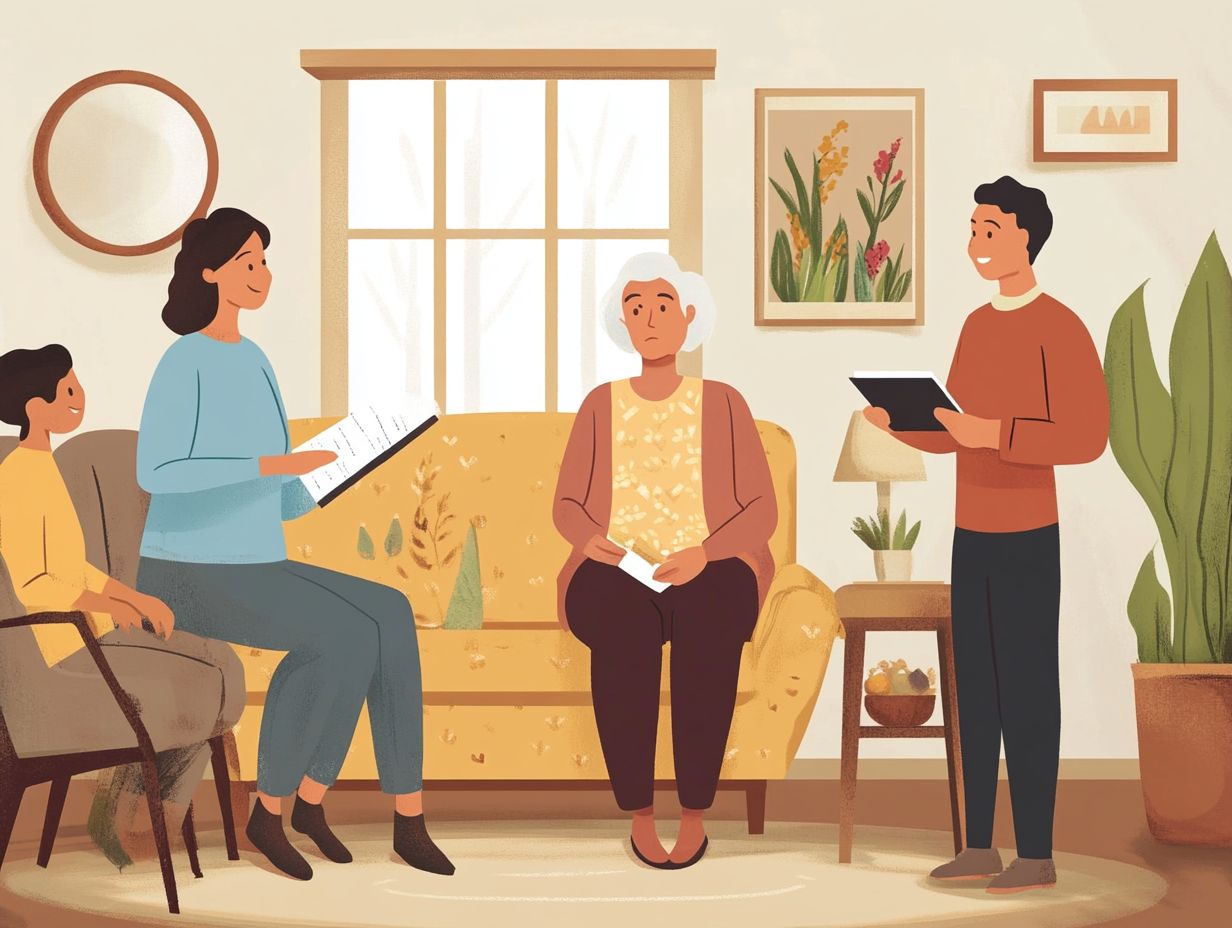
Handling difficult conversations involves discussing sensitive topics like care preferences with strategies to address resistance and disagreements, ensuring emotional wellbeing and aligning care strategies with individual needs.
Effective handling requires active listening, empathy, setting clear goals, and creating a safe environment for open dialogue, even in virtual meetings or with professional mediators.
Maintaining emotional wellbeing during these conversations is key to finding mutual understanding and agreement.
Dealing with Resistance and Disagreements
Dealing with resistance and disagreements in care preference discussions involves understanding family dynamics and emotions, ensuring resident preferences are considered and respected.
Effective strategies include active listening, acknowledging differing opinions, and focusing on shared goals, particularly when addressing healthcare and nursing homes considerations.
Redirecting conversations towards mutual interests, like quality of life, promotes collaboration, and supports quality improvement in care approaches.
Embracing compromise helps develop care plans that respect individual preferences and foster family unity.
Next Steps and Follow-Up
After discussing care preferences for aging parents, establish a plan for actionable next steps and regular follow-up to ensure consistent support, addressing potential health needs and refining care strategies.
Next steps include:
- Scheduling regular family meetings
- Defining roles and responsibilities
- Setting check-in schedules to adjust care plans as needed
Creating a Plan and Continual Communication
Creating a care plan and establishing continual communication are essential for effective management of aging parents’ care preferences, supporting long-term services and maintaining individual preferences.
These strategies involve integrating personal preferences, such as dietary choices and daily routines, and ensuring legal documents like powers of attorney are organized, facilitating healthcare decisions and resident rights.
Regular family meetings enhance communication, allowing for adjustments in care strategies as circumstances change, supporting a proactive approach to care conference planning and emotional distress management.
Frequently Asked Questions

1. How do I initiate a conversation about my care preferences with my family?
Start by finding a time when everyone is calm and relaxed, and let them know that you want to discuss your care preferences. Be honest and open about your feelings and needs, and listen to their perspectives as well.
2. What should I include in the conversation about my care preferences?
It’s important to discuss specific details, such as your preferred living arrangement, medical treatment options, end-of-life care, and who you would like to make decisions on your behalf if you are unable to do so.
3. How do I handle disagreements or conflicts with my family during this conversation?
It’s natural for there to be different opinions and perspectives, but try to approach the conversation with understanding and respect. Listen to each other and find compromises that work for everyone.
4. How can I ensure that my family respects my care preferences in the future?
You can create a written document, such as an advance directive or a healthcare proxy, that outlines your wishes for your care. Share this document with your family, friends, and healthcare providers to ensure that your preferences are followed in the future.
5. Should I involve other family members or a professional mediator in this conversation?
It may be helpful to involve a trusted family member or a professional mediator if there are sensitive or complex issues that need to be addressed. This can provide a neutral and supportive environment for the discussion.
6. What if my family does not want to have this conversation or disagrees with my care preferences?
It can be difficult if your family does not want to have this conversation or disagrees with your care preferences. However, it’s important to remember that ultimately, these are your personal choices and your family should respect them. Seek support from a counselor or healthcare provider to help facilitate the conversation if needed.