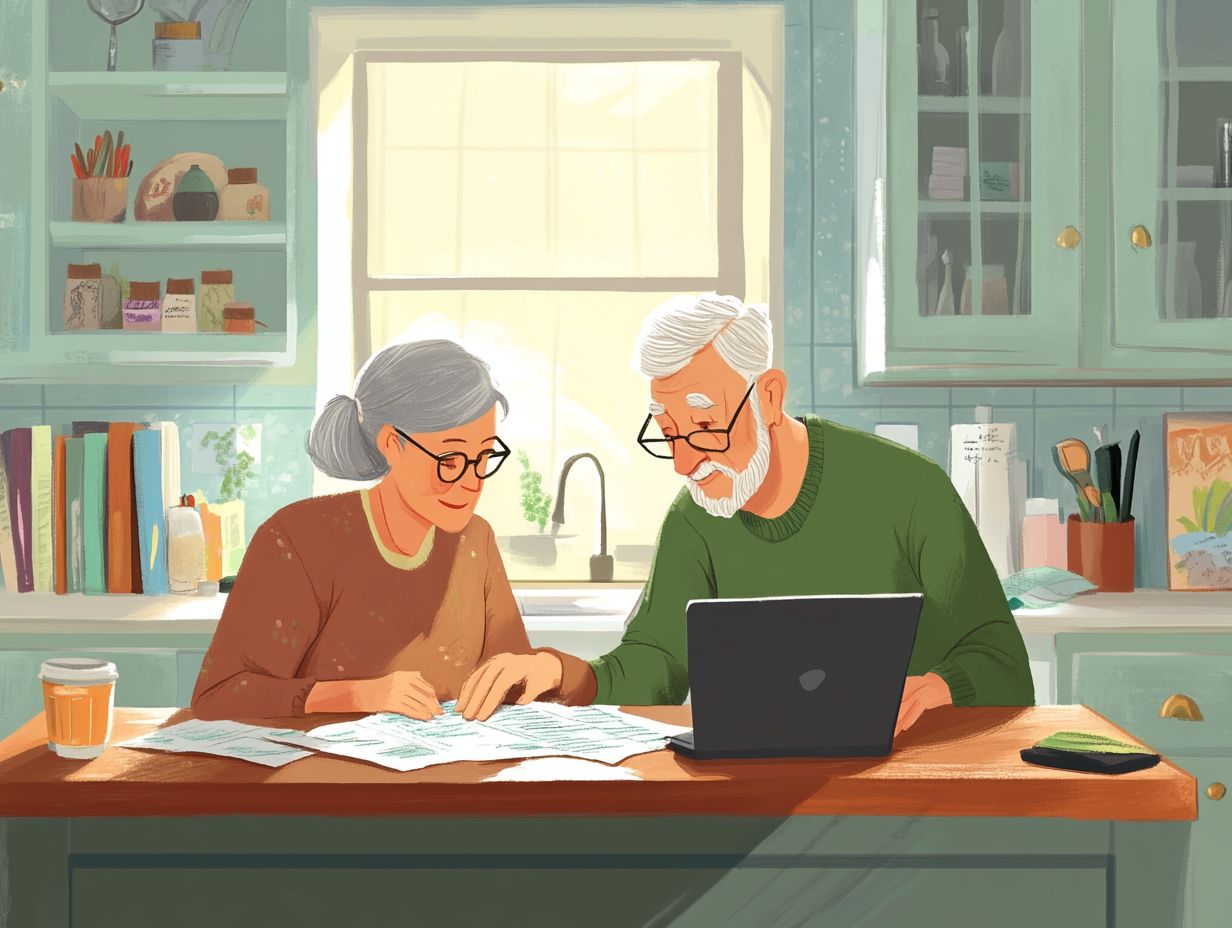
If you’re an older adult facing cancer treatment, you might be wondering how to get your body, mind, and daily life ready. This guide walks you through what to expect, how treatment is tailored for seniors, and the practical steps you can take—starting now—to stay as strong, safe, and independent as possible during your cancer journey.
Understanding Cancer Treatment for Seniors
As an older adult, your cancer treatment plan often looks different from that of a younger person. Age itself is only one factor. Your overall health, memory and thinking, mobility, and other medical conditions all play a major role in choosing the safest and most effective treatment for you.
Many cancer centers now use a comprehensive geriatric assessment (CGA). This is a detailed evaluation of your physical health, memory, mood, medications, social support, and ability to manage daily tasks. The goal is to tailor your treatment so it works for you—not just for your cancer type.
You can read more about cancer treatment in older adults from the National Cancer Institute.
Types of Cancer Treatment
Depending on your cancer type and stage, you may be offered one or more of the following treatments:
- Surgery – An operation to remove the tumor and sometimes nearby tissue or lymph nodes.
- Chemotherapy – Medications that travel through your bloodstream to kill cancer cells or stop them from growing.
- Radiation therapy – High-energy beams (similar to X-rays) that target and destroy cancer cells in a specific area.
- Immunotherapy – Treatments that help your own immune system recognize and attack cancer cells.
- Targeted therapy – Drugs that act on specific molecules or pathways that cancer cells use to grow and survive. Examples for certain cancers include fluorouracil, capecitabine, and regorafenib.
Your doctors may recommend combining these treatments—for example, surgery plus chemotherapy, or radiation plus immunotherapy—based on what is most likely to help you and what your body can safely tolerate.
Key Factors to Consider as a Senior
When you and your team are deciding on treatment, it helps to think about:
- Functional age – How active and independent you are, rather than just your birthday. Can you shop, cook, bathe, and manage medications on your own?
- Other health conditions – Issues like heart disease, diabetes, kidney problems, lung disease, or arthritis can affect which treatments are safest and what doses are appropriate.
- Cognitive health – Memory problems, confusion, or difficulty concentrating may affect how you manage appointments, medications, and consent to treatments.
- Medications you already take – Some cancer drugs can interact with your blood pressure pills, blood thinners, or other prescriptions.
- Your goals and preferences – Do you want the most aggressive treatment possible, or would you prefer a plan that focuses more on comfort and quality of life?
This is where shared decision-making is essential. Your oncologist should clearly explain your options, benefits, and risks, and you should feel comfortable asking, “What does this mean for me at my age and with my health?” The Mayo Clinic offers helpful overviews of different cancer treatments you may hear about.
Preparing for Cancer Treatment
Preparation starts before the first treatment session. The more you plan ahead, the easier it will be to focus on healing once treatment begins.
Key steps you can take include:
- Meeting with your healthcare team to understand your diagnosis and treatment options.
- Gathering and organizing your medical records, medication list, and advance directives (like a healthcare proxy).
- Arranging transportation to and from appointments.
- Planning help at home for meals, personal care, and housework, especially on treatment days.
- Learning about possible side effects so you know what is “expected” and when to call your doctor.
In some centers, tools like an electronic Rapid Fitness Assessment or preoperative geriatric assessment are used before surgery to check your strength, balance, and overall readiness for procedures such as a hemicolectomy (a surgery to remove part of the colon).
Physical Preparation
Even small steps to improve your physical health before treatment can make a difference in how you tolerate side effects and how quickly you recover. Think of this as “training” for treatment.
You might work with:
- Oncologists – To adjust treatment intensity and schedules to your needs.
- Primary care providers and cardiologists – To make sure blood pressure, heart disease, or diabetes are as well-controlled as possible.
- Physical therapists – To create a gentle exercise plan that improves strength, balance, and endurance. This might include walking, light strength exercises, or chair exercises.
- Nutritionists or dietitians – To help you eat enough calories and protein, especially if you have weight loss, poor appetite, or swallowing issues.
Even if you feel tired, try to stay as active as you safely can. Short walks, light stretching, and simple balance exercises can all help. Always check with your doctor before starting new exercises, especially if you have heart or breathing problems.
Emotional Preparation
Being told you have cancer at any age is overwhelming—but as an older adult, you may worry about your independence, your family, or other health problems you already have. It is completely normal to feel fear, sadness, anger, or uncertainty.
To prepare emotionally, you might:
- Talk openly with family or close friends about your worries and wishes.
- Meet with a counselor, psychologist, or social worker who has experience with cancer patients.
- Join a support group—either in person or online—where you can connect with others going through treatment at a similar age.
- Ask your doctor about signs of depression, anxiety, or delirium (sudden confusion), which can sometimes occur in older adults during treatment.
Support from mental health professionals and peer groups can improve coping skills and help you feel more in control. The National Cancer Institute’s coping resources offer additional tips for emotional support.
Support Systems for Seniors
You do not have to go through cancer treatment alone. A strong support system can make day-to-day life easier and can also help you stay on track with your medical plan.
Your support system may include family, friends, neighbors, faith groups, community organizations, home health services, and your healthcare team.
Family and Friends
If you have family members or close friends nearby, consider asking them to help with:
- Driving you to appointments and staying with you during long treatment sessions.
- Keeping track of your medications and appointment schedule.
- Preparing meals, running errands, or helping with cleaning and laundry.
- Simply spending time with you, listening, and offering encouragement.
It can be hard to ask for help, but most people are grateful to have a specific way to support you. You might say, “Could you come with me to my next appointment and help me take notes?” or “Would you be able to pick up groceries for me this week?”
Support Groups and Community Resources
If you live alone or your family lives far away, community and professional resources can fill in the gaps. These may include:
- Cancer support groups – For older adults or for people with your specific cancer type.
- Patient navigators or social workers – To help coordinate care, find transportation, and connect you with home care or meal programs.
- Hospice and palliative care teams – To focus on comfort, symptom control, and quality of life, even while you are receiving active treatment in some cases.
Major cancer centers such as Memorial Sloan Kettering Cancer Center and similar institutions often have geriatric oncology services and support programs tailored to older adults. You can also search for local services through your cancer center or organizations like the American Cancer Society.
Managing Side Effects of Cancer Treatment
Most cancer treatments cause some side effects, and older adults can be more sensitive to them. The key is to speak up early—don’t wait until symptoms are severe.
Common side effects include:
- Nausea or vomiting
- Fatigue (feeling extremely tired)
- Pain
- Constipation or diarrhea
- Loss of appetite or weight loss
- Confusion or changes in thinking (especially with infections, certain drugs, or hospitalization)
Effective management usually combines medication, lifestyle changes, and supportive therapies like physical therapy or counseling.
Common Side Effects and How You Can Cope
-
Nausea and vomiting
Your oncologist can prescribe anti-nausea medications (also called antiemetics) before and after chemotherapy or radiation. Try eating small, frequent meals and sipping fluids throughout the day. Let your team know if you cannot keep food or liquids down—dehydration can be dangerous, especially for older adults. -
Fatigue
It may feel natural to stay in bed, but too much rest can actually worsen fatigue. Gentle activity—such as short walks, stretching, or light household tasks—often helps you feel better. Plan the most important activities for the times of day when you usually have the most energy. -
Pain
There are many options for pain control, including pills, patches, nerve blocks, and physical therapy. Do not “tough it out” in silence. If pain is not well controlled, ask for a referral to a pain or palliative care specialist.
Emotional support from your healthcare team, family, friends, support groups, and cancer centers like Memorial Sloan Kettering can also help you cope with side effects and stay motivated during treatment.
Staying Healthy During Cancer Treatment
While your treatment team focuses on the cancer itself, there is a lot you can do to support your body throughout the process. Two of the most powerful tools you have are nutrition and physical activity, adapted to your abilities and health conditions.
The Importance of Nutrition and Exercise
Nutrition plays a major role in maintaining strength and helping your body heal. Try to:
- Eat a variety of fruits, vegetables, whole grains, and lean proteins (such as fish, poultry, beans, or eggs).
- Focus on protein-rich foods if you are losing weight or muscle.
- Drink enough fluids to stay hydrated unless your doctor has given you a fluid restriction.
- Ask for a referral to an oncology dietitian if you have trouble eating, swallowing, or keeping weight on.
Exercise during treatment does not have to be intense. The goal is to keep your muscles, joints, and heart as strong as is safely possible. Simple activities can:
- Improve energy and reduce fatigue.
- Help maintain balance and reduce your risk of falls.
- Support mood and sleep.
Your doctor or physical therapist can help you design a plan that is right for you—for example, short daily walks, chair exercises, or gentle stretching. The American Cancer Society provides additional guidance on staying active during and after treatment.
Frequently Asked Questions
What steps can I take to prepare for cancer treatment as a senior?
You can start by making a list of all your current medications, past medical conditions, and questions for your oncologist. Bring a family member or friend to appointments to help take notes. Ask whether a geriatric assessment is available to tailor treatment to your age and health. At home, try to improve your nutrition, stay as active as you safely can, and arrange help with transportation, meals, and household tasks before treatment begins.
Should I see a geriatric specialist before starting cancer treatment?
In many cases, yes. A geriatrician or geriatric oncologist can evaluate your overall health, memory and thinking, mobility, and medications. They can work with your cancer team to choose treatments and doses that match your abilities and reduce the risk of serious side effects. If your cancer center does not have a geriatric specialist, ask your primary care doctor if there is one nearby you can see for a consultation.
How can I manage the potential side effects of treatment?
The most important steps are to report symptoms early and follow the management plan your team gives you. Keep a simple diary of side effects—such as nausea, pain, or fatigue—and bring it to appointments. Take prescribed medications for nausea, pain, or constipation exactly as directed. If you notice sudden confusion, severe weakness, chest pain, shortness of breath, or high fever, contact your doctor or emergency services right away.
What resources are available to help me during treatment?
Many resources are designed specifically for seniors with cancer. These may include hospital social workers, patient navigators, home health aides, meal delivery programs, transportation services, and financial counselors. Your cancer center can connect you with local and national organizations that provide support, including telephone and online support groups. You can also explore the National Cancer Institute’s guide to support services.
How can I protect my mental and emotional wellbeing?
Try to stay connected with people who make you feel safe and understood. Talk openly about your feelings with loved ones, a counselor, or a spiritual advisor if you have one. Consider joining a support group where you can speak with others your age who understand what you are going through. Simple practices such as listening to music, gentle movement, relaxation breathing, or spending time in nature can also help reduce stress.
Is it really that important to have a support system?
Yes. As a senior, having a support system is especially important. Cancer treatment can be physically and emotionally demanding, and you may need help with transportation, daily tasks, and decision-making. Family, friends, and healthcare professionals—such as geriatric nurse practitioners, social workers, and palliative care teams—can advocate for your needs, help you understand your choices, and make sure your preferences are respected. Even if you live alone, your care team can help you connect with community resources so you don’t have to navigate treatment on your own.