Emerging research suggests that fasting—whether by reducing daily calories or timing your meals differently—can create a powerful environment in your body to inhibit cancer growth and support overall health. This article will guide you through the science behind fasting and cancer prevention, practical fasting methods you can try, tips to maintain balanced nutrition, ways to manage challenges, and exciting future research exploring fasting’s role in reducing cancer risk.
Understanding Caloric Restriction: Eating Less, Living Healthier
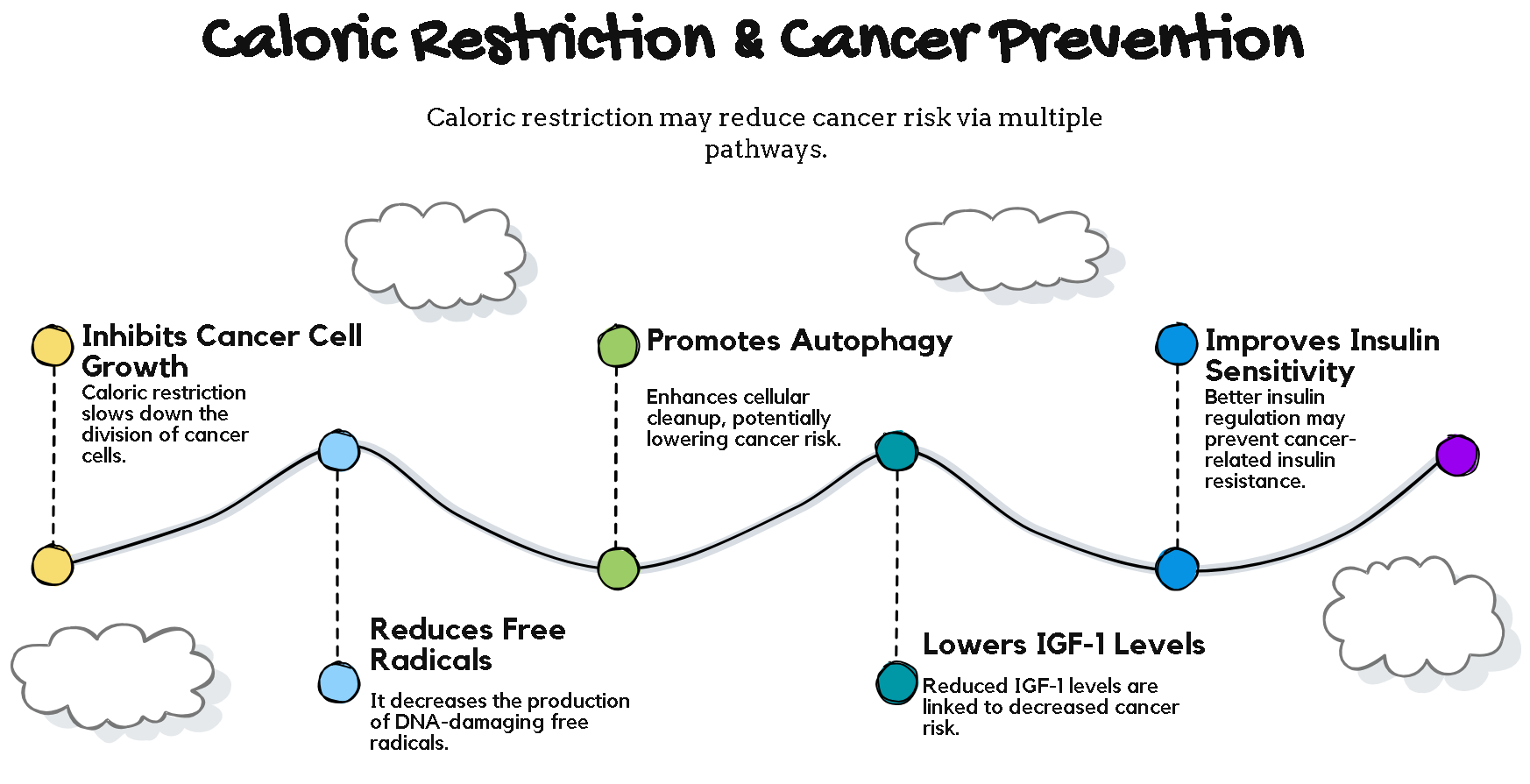
Caloric restriction means reducing your calorie intake without missing out on essential nutrients. It’s not about starving yourself but about eating smarter. When you consume fewer calories, your body undergoes beneficial changes that can help lower cancer risk. Research shows that caloric restriction slows down the growth of cancer cells and reduces harmful molecules called free radicals that can damage DNA. It also promotes autophagy—a natural process where your body cleans out damaged cells, helping to keep your cells healthy.
One key factor impacted by eating less is insulin-like growth factor 1 (IGF-1), a hormone that, when elevated, may encourage cancer development. Lower calorie intake reduces IGF-1 levels, creating a less welcoming environment for cancer cells. Caloric restriction also improves how your body responds to insulin, which can help prevent conditions linked to cancer.
Beyond these effects, eating fewer calories reduces inflammation—an important trigger for many cancers—by lowering inflammatory molecules like tumor necrosis factor-alpha (TNF-α) and interleukin-6 (IL-6). It also boosts your cells’ metabolism and energy production, helping maintain healthy cell function and possibly delaying the aging process that contributes to cancer risk.
If you’re considering caloric restriction, it’s important to do so carefully and ideally under medical guidance, especially if you have health conditions or are underweight. Ensuring your body still gets all necessary nutrients during this time is key to staying healthy. For more information on caloric restriction and cancer prevention, visit the National Cancer Institute’s overview on diet and cancer risk cancer.gov.
Intermittent Fasting: How Timing Your Meals Affects Cancer Cells
Intermittent fasting involves cycling between periods of eating and fasting, and it has gained popularity for its health benefits, including potential cancer prevention. When you fast, your body shifts its energy source from glucose (sugar) to ketones, a process called ketosis. Cancer cells struggle to thrive on ketones, making fasting a way to stress cancer cells and support your immune system’s ability to fight them.
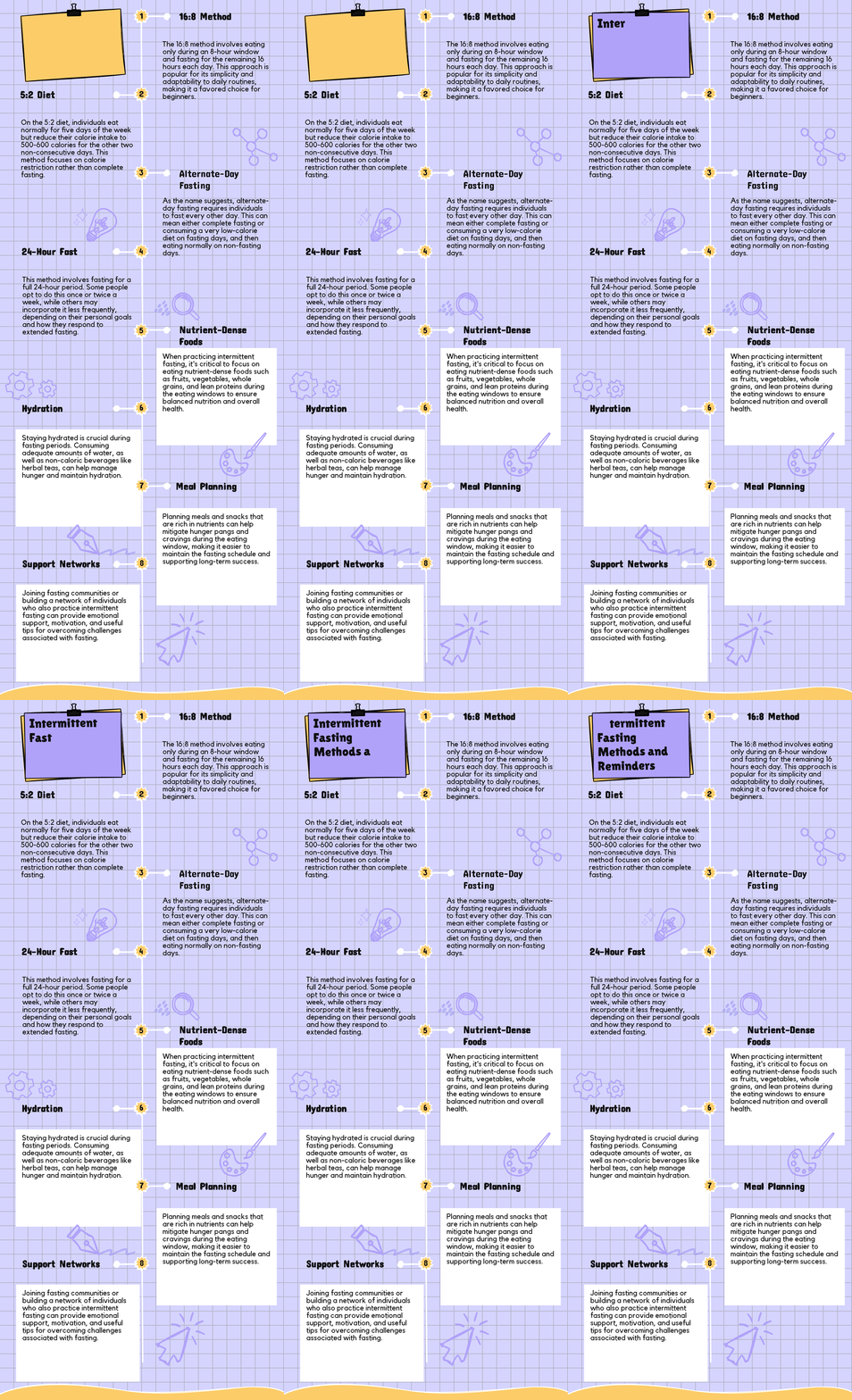
Popular intermittent fasting methods include:
- 16:8 Method: Fast for 16 hours daily and eat during an 8-hour window.
- 5:2 Diet: Eat normally five days a week and limit calories to about 500-600 on two non-consecutive days.
- Alternate-Day Fasting: Alternate between fasting days and regular eating days.
- 24-Hour Fast: Abstain from eating for a full day periodically.
Choosing the right fasting method depends on your lifestyle and preferences. The goal is to find a pattern that feels sustainable and supports your health goals in the long term. The Mayo Clinic provides helpful guidance on intermittent fasting methods and their health effects mayoclinic.org.
Balancing Nutrition During Fasting Periods
While fasting, it’s vital to focus on quality nutrition during your eating times. Staying hydrated with water, herbal teas, or black coffee is essential during fasting windows. When you eat, aim for nutrient-dense foods such as colorful fruits and vegetables, whole grains, lean proteins, and healthy fats. These foods provide the vitamins, minerals, and antioxidants your body needs to thrive and maintain a strong defense against cancer.
If you’re unsure how to balance your diet with fasting, consulting a registered dietitian or nutritionist can personalize a plan that fits your health status and goals. The CDC offers practical nutrition advice that complements fasting regimens cdc.gov.
Overcoming Common Challenges in Fasting
It’s natural to feel hungry or face social pressures when starting a fasting routine. Planning your meals thoughtfully can help you stay full and satisfied, reducing cravings. Joining support groups, whether local or online, can provide encouragement and accountability. Remember, adapting to fasting is a gradual process, and every challenge you overcome brings you closer to better health and potentially a lower cancer risk.
Looking to the Future: What Research Tells Us
Scientists are actively studying fasting to better understand how it prevents cancer and how it can work alongside existing treatments. Ongoing research is focused on fine-tuning fasting schedules and uncovering molecular pathways affected by fasting that could be targeted for therapy. These advances promise new ways to harness fasting as a natural, empowering strategy to fight cancer.
Taking Control: Embrace Fasting for Your Health
By learning about caloric restriction and intermittent fasting, trying methods that fit your lifestyle, and ensuring good nutrition, you can take proactive steps to reduce your cancer risk. Fasting is more than a diet trend—it’s a promising pathway to better health and longevity. Speak with your healthcare provider to see how fasting might fit into your personal cancer prevention plan.
FAQs
- 1. Is fasting safe for everyone interested in cancer prevention?
- Fasting can offer health benefits but isn’t suitable for everyone. If you have medical conditions such as diabetes, are pregnant, underweight, or have a history of eating disorders, consult your doctor before starting any fasting regimen.
- 2. How long does it take to see benefits from fasting?
- The timeline varies by individual and fasting method. Some people notice improved energy and weight changes within a few weeks, while impacts on cancer risk may take months or longer and depend on multiple lifestyle factors.
- 3. Can fasting replace other cancer prevention strategies like screening or medication?
- No. Fasting should complement, not replace, standard cancer prevention methods such as regular screenings, vaccinations, and following your healthcare provider’s recommendations.
- 4. What should I eat during eating windows to support cancer prevention?
- Focus on a balanced diet rich in fruits, vegetables, whole grains, lean proteins, and healthy fats. Avoid processed foods and excess sugar to maximize fasting’s benefits.
- 5. Where can I learn more about fasting and cancer prevention?
- Trusted sources include the National Cancer Institute cancer.gov, Mayo Clinic mayoclinic.org, and Centers for Disease Control and Prevention cdc.gov. These sites offer reliable, up-to-date information.
Starting fasting can be a meaningful choice toward reducing cancer risk and enhancing your overall health. With thoughtful planning and support, you can find a fasting approach that fits your life and wellbeing.