Are you curious about how your everyday food choices might influence your risk of cancer? While no diet can guarantee cancer prevention, emerging research highlights how certain nutritional patterns can protect your cells, reduce inflammation, and support your body’s natural defenses. From the fat-fueled ketogenic diet to the vibrant Mediterranean eating style, plant-forward meals, and innovative intermittent fasting schedules, a variety of dietary strategies offer promising benefits. Integrating these approaches thoughtfully into your life can be a powerful way to boost your overall health and lower your cancer risk.
Understanding the Keto Diet: Could Low-Carb, High-Fat Eating Help Protect You?
The ketogenic diet emphasizes low carbohydrate intake with high healthy fat consumption, prompting your body to enter a metabolic state called ketosis. This state helps lower blood sugar and insulin levels, two factors linked to cancer growth, especially in hormone-sensitive cancers like breast and prostate cancer. Reduced inflammation, another hallmark of the keto diet, creates a less hospitable environment for cancer cells. Additionally, because keto often leads to weight loss, it may further reduce the risk of obesity-related cancers such as colorectal cancer.
If you’re considering the keto diet, it’s essential to consult your healthcare provider, especially if you have existing health conditions or are undergoing cancer treatment. More research is underway to fully understand how keto fits into long-term cancer prevention strategies. Learn more about ketogenic diet basics at the National Cancer Institute.
The Mediterranean Diet: A Heart-Healthy Way to Lower Cancer Risk
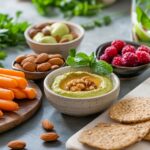
Known for its delicious flavors and vibrant ingredients, the Mediterranean diet centers on whole grains, fresh fruits and vegetables, legumes, nuts, olive oil, and moderate fish intake. Rich in antioxidants and anti-inflammatory nutrients, this diet has been linked to a reduced risk of colorectal and breast cancers. The fiber from whole foods supports healthy digestion, and the emphasis on healthy fats promotes overall wellness.
If you want a sustainable, science-backed eating pattern that benefits both your heart and your cancer risk, Mediterranean-style eating might be right for you. Explore detailed Mediterranean diet guidelines from the Mayo Clinic.
Plant-Based Diets: Harnessing the Power of Nature’s Cancer Fighters
Switching to a plant-based diet—whether fully vegan or simply reducing animal products—floods your body with fiber, vitamins, minerals, and phytochemicals. These compounds work together to fight oxidative stress and inflammation, key contributors to cancer development. Studies have shown plant-based eating patterns correlate with lower rates of breast, colorectal, and prostate cancers.
If you’re looking to add more plants to your meals, start by incorporating a variety of colorful fruits and vegetables, whole grains, nuts, and seeds. For extra guidance, review plant-based nutrition tips from Cancer Research UK’s expert resources.
Intermittent Fasting: Giving Your Cells a Chance to Repair
Intermittent fasting—a pattern of cycling between periods of eating and fasting—may help lower insulin levels, encourage the body’s natural recycling of damaged cells (autophagy), and reduce inflammation. These benefits potentially create a protective effect against cancer, although research is still emerging.
If you’re interested in trying intermittent fasting, start gently and listen to your body. And as always, discuss with your healthcare provider to ensure it fits your health status.
Why Choosing Organic Foods Can Matter
Eating organic foods means fewer chemicals like synthetic pesticides and hormones in your diet. Studies suggest organic produce may contain higher antioxidant levels, which protect cells from damage. Minimizing exposure to harmful substances found in some conventionally grown foods could be another step toward reducing your cancer risk. For more on organic food benefits, check out USDA Organic Basics.
Omega-3 Fatty Acids: Nutrients That Fight Inflammation and Support Cell Health
Omega-3s, found in fatty fish like salmon, as well as flaxseeds and walnuts, are vital fats with strong anti-inflammatory effects. They help regulate cell growth and may slow cancer progression. Including omega-3-rich foods in your diet can support your body’s defenses and overall health.
Discover more about omega-3s and cancer at the American Cancer Society.
Fermented Foods and a Healthy Gut Microbiome
Foods like yogurt, kefir, sauerkraut, and kimchi offer probiotics—beneficial bacteria that maintain a balanced gut microbiome. A healthy gut supports immune function and may reduce inflammation, promoting protection against certain cancers, especially those of the digestive tract.
Balancing Your Diet: Proteins, Fats, and Carbohydrates
Rather than focusing exclusively on one diet, balancing macronutrients is essential. Choose lean proteins such as fish, poultry, beans, and legumes to repair tissues and maintain healthy weight. Opt for healthy fats like avocados, nuts, and olive oil to combat inflammation. Embrace whole grains, fruits, and vegetables to provide fiber and essential micronutrients. The combination helps maintain your body’s resilience and lowers cancer risk.
Taking Control: How to Make Dietary Changes That Work for You
You have the power to influence your cancer risk through the food choices you make every day. Whether you decide to adopt the ketogenic lifestyle, savor Mediterranean dishes, explore more plant-based meals, or try intermittent fasting, aim for balance, variety, and moderation. Always consult with healthcare professionals or registered dietitians to build a personalized plan that fits your needs, preferences, and medical condition.
By nurturing your body with wholesome foods, you’re investing in a healthier future and actively reducing your cancer risk.
FAQs
- Can diet alone prevent cancer?
While no diet can completely prevent cancer, certain eating patterns can lower your risk by reducing inflammation, supporting immune health, and protecting your cells. Diet works best alongside other healthy habits like regular exercise and avoiding tobacco. - Is the ketogenic diet safe for everyone?
The keto diet may offer benefits, but it’s not suitable for everyone, especially those with certain health conditions like pancreatitis or liver disease. Always consult your doctor before starting keto or making any major dietary changes. - How soon can I expect to see benefits from switching to a healthy diet?
Positive effects on your body can begin within weeks, such as improved energy and digestion. However, cancer prevention benefits accumulate over time from consistent healthy eating combined with overall lifestyle changes. - Are organic foods really worth it for cancer prevention?
Choosing organic may reduce your exposure to pesticides and hormones that could increase cancer risk. However, eating a variety of fruits and vegetables, whether organic or not, is still one of the best actions you can take for your health. - How do I start incorporating more cancer-fighting foods into my diet?
Start gradually by adding more fruits, vegetables, whole grains, and healthy fats into your meals. Consider consulting a dietitian for personalized guidance tailored to your lifestyle and goals.
For more detailed information on diet and cancer prevention, visit trusted resources like the National Cancer Institute, Mayo Clinic’s nutrition guidelines, and Cancer Research UK. These organizations provide science-backed advice to help you make informed choices on your journey to better health.