Facing cancer—whether as a patient, survivor, or caregiver—can be overwhelming. With abundant information, support options, and treatment choices, it’s crucial to separate fact from fiction, make informed decisions, and connect with trusted resources. This comprehensive guide brings together essential insights from expert articles to empower you throughout the cancer journey, including prevention, diagnosis, treatment, emotional support, practical logistics, and survivorship.
Understanding Cancer: Debunking the Myths
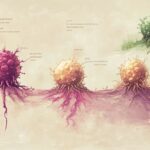
Misinformation about cancer is widespread and can cause unnecessary fear, confusion, or even impact critical health decisions. Common myths include misconceptions about how cancer develops, spreads, and is treated. Factors like genetics, lifestyle, and environment play roles in cancer risk, but false beliefs—such as claims that cancer is contagious or that all everyday products cause cancer—distract from what truly matters.
Each cancer type has its own causes and treatment options; thanks to modern medicine, patients are no longer limited to just chemotherapy. Reliable, evidence-based information and open conversations with healthcare professionals are key to facing cancer realities with clarity and confidence. Busting the myths enables individuals to focus on effective prevention, care, and recovery.
To explore the facts about cancer and combat misinformation, see:
Common Myths About Cancer Types Debunked
Recognizing Symptoms and When to Seek Help
Early recognition of possible cancer symptoms can lead to earlier diagnosis and better outcomes. Symptoms can be subtle and vary by cancer type and age group. Understanding what is “normal” for your body, and when changes persist, is a core part of self-advocacy.
- What Are the Symptoms of Lymphoma?
- What Are the Signs of Lymphatic System Cancer?
- What Are the Early Signs of Pediatric Cancer?
- What Are the Most Common Symptoms of Ovarian Cancer?
- What Are the Most Common Types of Skin Cancer?
Some “general” warning signs—such as unexplained weight loss, persistent fatigue, unusual lumps, or skin changes—can also be important. Learn more about early warning signs and why timing matters:
Key Warning Signs: Early Detection of Cancer
What Are the Risks of Delaying a Cancer Diagnosis?
Cancer Prevention: Lifestyle, Mindfulness, and Technology
Cancer prevention is not about guarantees—it is about lowering risk wherever possible. Evidence-based prevention focuses on a healthy lifestyle, avoiding known carcinogens, staying up to date with vaccines and screening, and paying attention to mental and emotional health.
- The Benefits of Quitting Smoking for Cancer Prevention
- How to Stay Motivated in Your Cancer Prevention Journey
- How to Use Technology for Personal Cancer Prevention
- How to Incorporate Mindfulness in Cancer Prevention
- How to Leverage Social Media for Cancer Prevention Awareness
- How to Spread Awareness on Cancer Prevention in Schools
Evaluating Alternative Therapies and Integrative Oncology
Many people explore therapies outside standard medical treatments, including practices framed as “energy” or “quantum” healing, supplements, or alternative regimens. It’s important to distinguish supportive, evidence-informed practices from those that make claims not backed by science.
Some sources promote concepts like Quantum Healing, which suggest that focused thought or “energy” can cure cancer. While ideas that emphasize the mind–body connection can be emotionally appealing, scientific research confirms they do not cure or alter cancer. Proven therapies—surgery, radiation, chemotherapy, targeted therapy, and immunotherapy—remain the backbone of effective cancer treatment.
At the same time, integrative oncology combines conventional care with complementary approaches (such as nutrition, acupuncture, and mind–body practices) to help manage symptoms, side effects, and stress—without replacing standard treatment.
- Debunking the Myths of Quantum Healing in Cancer: A Scientific Perspective
- What Should I Know About Alternative Cancer Therapies?
- The Benefits of Integrative Oncology
- What Are the Benefits of Acupuncture for Cancer Pain?
Key Questions to Ask and Preparing for Appointments
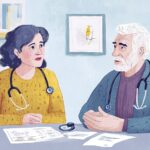
A cancer diagnosis often prompts a flood of questions and difficult decisions. Being proactive and prepared for medical visits helps ensure you receive care that matches both best evidence and your values. Going into appointments with organized information, clear questions, and realistic expectations can greatly improve communication.
Core appointment-prep guides:
- 10 Questions to Ask Your Oncologist
- How to Talk to Your Doctor About Treatment Options
- How to Stay Informed About Your Treatment Options
- How to Understand Your Treatment Options?
- How to Prepare for Your Doctor’s Appointment
- How to Prepare for Medical Appointments
- How to Speak Up in Medical Appointments
- How to Make the Most of Your Oncologist Visits
Guides for key procedures and planning ahead:
- How Can I Get a Personalized Cancer Treatment Plan?
- How Do I Find a Cancer Specialist for My Type of Cancer?
- How Do I Find the Best Cancer Treatment Centers?
- How Can I Prepare for Cancer Surgery?
- How to Prepare for Your First Chemotherapy Session
- How Do I Prepare for Chemotherapy Infusions?
- How Can I Prepare for a Second Opinion on My Cancer Diagnosis?
- The Benefits of a Second Opinion in Cancer Care
- How Do I Discuss My Treatment Preferences with My Doctor?
Making Informed Decisions: Treatments, Trials, and Reliable Information
Every major decision—starting a new regimen, joining a clinical trial, or changing treatment plans—requires balancing potential benefits, risks, and your personal priorities. Taking time to reflect, ask questions, and involve trusted people in your life can make these decisions more manageable.
Decision-making and clinical trials:
- Navigating the Decision to Participate: Insights and Considerations
- What Should I Expect from a Cancer Clinical Trial?
- How Do I Find a Clinical Trial for My Type of Cancer?
Finding and evaluating information and new advances:
- How Can I Find Reliable Information About Cancer?
- What Are the Latest Cancer Research Breakthroughs?
- What Are the Latest Advances in Breast Cancer Treatment?
Special considerations for different groups:
- What Should I Know About Cancer Treatment for Seniors?
- What Should I Know About Cancer in Young Adults?
- What Should I Know About Cancer in the LGBTQ+ Community? and Resources for LGBTQ+ Cancer Patients
For those newly diagnosed, practical early steps and planning are also crucial:
- Resources for Newly Diagnosed Survivors
- How Can I Prepare for Genetic Counseling After a Cancer Diagnosis?
- How Can I Prepare for Long-Term Cancer Treatment?
Understanding Treatment Options and How They Work
Cancer care often includes a combination of surgery, radiation therapy, systemic therapies (chemotherapy, targeted drugs, endocrine therapy, immunotherapy), and supportive or palliative treatments. Understanding each option—how it works, when it is used, and what to expect—helps you make informed choices.
- Surgery for Cancer: Types and Processes
- Telemedicine for Cancer Treatment: What to Know
- Targeted Therapy: A Precision Approach to Treatment
- Immunotherapy: How It Works Against Cancer
- Radiation Therapy Explained: What to Expect
Side Effects, Complications, and When Treatments Are Working
Recognizing when treatment may not be working—or when a change is needed—is just as important as knowing when it is effective. Regular check-ins, imaging, and lab tests guide these decisions. Side effects and complications are common but often manageable with the right support.
Signs that treatment may or may not be working:
Side effects and complications (systemic and procedure-related):
- Managing Side Effects of Cancer Treatments
- Managing Treatment Side Effects: A Guide
- How to Handle Treatment-Related Fatigue
- How Do I Handle Treatment Fatigue During Radiation Therapy?
- What Are the Most Common Treatment Complications?
- What Are the Side Effects of Immunotherapy?
- What Are the Long-Term Effects of Chemotherapy?
- What Are the Risks of Surgery for Cancer Patients?
- How Can I Reduce the Risk of Blood Clots During Treatment?
Symptom management and palliative approaches:
- How Do I Manage Treatment-Related Nerve Pain?
- How Can I Manage Cancer-Related Digestive Issues?
- How Do I Handle Cognitive Impairment from Treatment?
- Palliative Care: Enhancing Quality of Life
- Navigating Palliative Care Options
- What Are the Benefits of Palliative Radiation Therapy?
Handling Practical Challenges: Disruptions, Scheduling, Records, and Bills
The practical side of cancer care—scheduling, records, insurance, and finances—can feel like its own full-time job. Organizing these aspects can reduce stress and prevent gaps in care.
- How to Handle Treatment Disruptions
- How to Handle Appointment Scheduling Challenges
- How to Stay Organized During Treatment
- How Do I Stay Organized with Cancer Appointments?
- How to Keep Track of Your Medical Records
- How to Read Your Medical Bills Effectively
- Insurance Coverage for Cancer Treatments
Rehabilitation, Home Recovery, Activity, and Daily Functioning
Recovery is rarely linear. Survivorship often includes rebuilding strength, managing lingering side effects, and integrating follow-up care into daily life. Safe home environments and structured rehabilitation help restore function and confidence.
- What Are the Benefits of Cancer Rehabilitation Programs?
- How Can I Stay Active After a Cancer Diagnosis?
- What Are the Best Ways to Track My Cancer Symptoms?
- How to Prepare My Home for Cancer Recovery?
Support Systems: Navigators, Group Therapy, Online Therapy, and Community Resources
No one should navigate cancer alone. Professional and peer support help with logistics, emotions, and practical problem-solving.
- The Benefits of a Patient Navigator
- The Benefits of Group Therapy for Cancer Patients
- Online Therapy Options for Cancer Patients
- How to Utilize Community Health Resources
Finding disease-specific and national supports:
- Navigating Cancer Together: A Guide to Disease-Specific Support Organizations
- 5 Essential Hotlines for Cancer Support
- How Can I Cope with a Rare Cancer Diagnosis?
- Creating a Support Network for Survivors
Advocacy, Health Literacy, and Partnering With Your Care Team
Understanding health information and speaking up for your needs are core skills in modern cancer care. They help ensure that treatments align with your values and that errors or misunderstandings are caught early.
- Navigating Health Literacy: A Patient’s Guide
- How to Transition from Patient to Advocate
- How to Use Feedback for Self-Improvement
- Navigating Cancer Resources: A Beginner’s Guide
Emotional Well-Being: Anxiety, Distress, Family Communication, and Mindfulness
Emotional health is as vital as physical treatment. Anxiety, anger, grief, fatigue, and fear of the unknown are all common—and manageable—with the right tools and support. Emotional well-being also affects treatment adherence, relationships, and quality of life.
Coping with emotional distress and mental health needs:
- Navigating the Emotional Aspects of Cancer Care
- How Do I Manage Anxiety About Cancer Treatment?
- How Can I Reduce Cancer-Related Anxiety for My Family?
- How Do I Manage the Fear of Cancer Recurrence?
- How Do I Handle Anger About My Cancer Diagnosis?
- How Do I Handle Grief for a Loved One with Cancer?
- How Can I Stay Hopeful During Long-Term Cancer Treatment?
- How Can I Protect My Emotional Health During Long Treatments?
Mindfulness and coping tools:
Talking with loved ones and children:
- How to Talk to Your Family About Your Diagnosis
- How Can I Talk to My Partner About My Cancer Diagnosis?
- How to Talk to Kids About Cancer Survivorship
Long-Term Planning: Follow-Up, Recurrence, and Advanced Care
Planning beyond active treatment includes surveillance for recurrence, managing late effects, and—when needed—discussing palliative or end-of-life preferences with your team and family. These conversations can be emotionally difficult but often reduce fear and confusion later.
- What Are the Most Important Post-Treatment Health Checks?
- What Should I Know About Recurrence After Remission?
- How Do I Manage the Fear of Cancer Recurrence?
- How Do I Talk to My Doctor About Palliative Care?
- How Can I Talk to My Family About End-of-Life Planning?
Life Stories, Survivorship, and Hope
Hearing others’ stories can provide perspective, comfort, and hope. Documentaries and survivor narratives reveal the many ways people find meaning, adapt, and advocate after a diagnosis.
Living With and Beyond Cancer: Staying Empowered and Informed
The cancer journey is deeply personal but never taken alone. Armed with accurate information, proactive strategies, and a circle of support, you can navigate the path ahead with courage, clarity, and hope. Whether you are newly diagnosed, in active treatment, living with advanced disease, or in survivorship, trusted resources and open partnerships with your care team can help you find your way—one informed step at a time.