Patient advocacy is essential in helping you navigate the often complex healthcare system, ensuring your rights, needs, and preferences come first. Whether you are managing a chronic illness or supporting a loved one, there are many resources designed to empower you—from advocacy organizations and support groups to professional advocates and government agencies. These tools not only improve your healthcare experience but also promote safer, more informed decisions tailored to your situation. Understanding and using these resources can make a significant difference in how you manage your care and interact with healthcare providers.
Understanding Patient Advocacy and Its Importance
Patient advocacy means actively supporting and protecting your rights and needs within the healthcare system. This support ensures you get quality care that respects your preferences. Advocacy empowers you to understand your treatment options, avoid medical errors, and confidently participate in decisions about your health. For example, advocacy training can enhance your ability to communicate effectively with your healthcare team, leading to better health outcomes. You can learn more about patient rights and advocacy from trusted sources like the National Cancer Institute and the Mayo Clinic.
Patient Advocacy Organizations: Your Trusted Partners
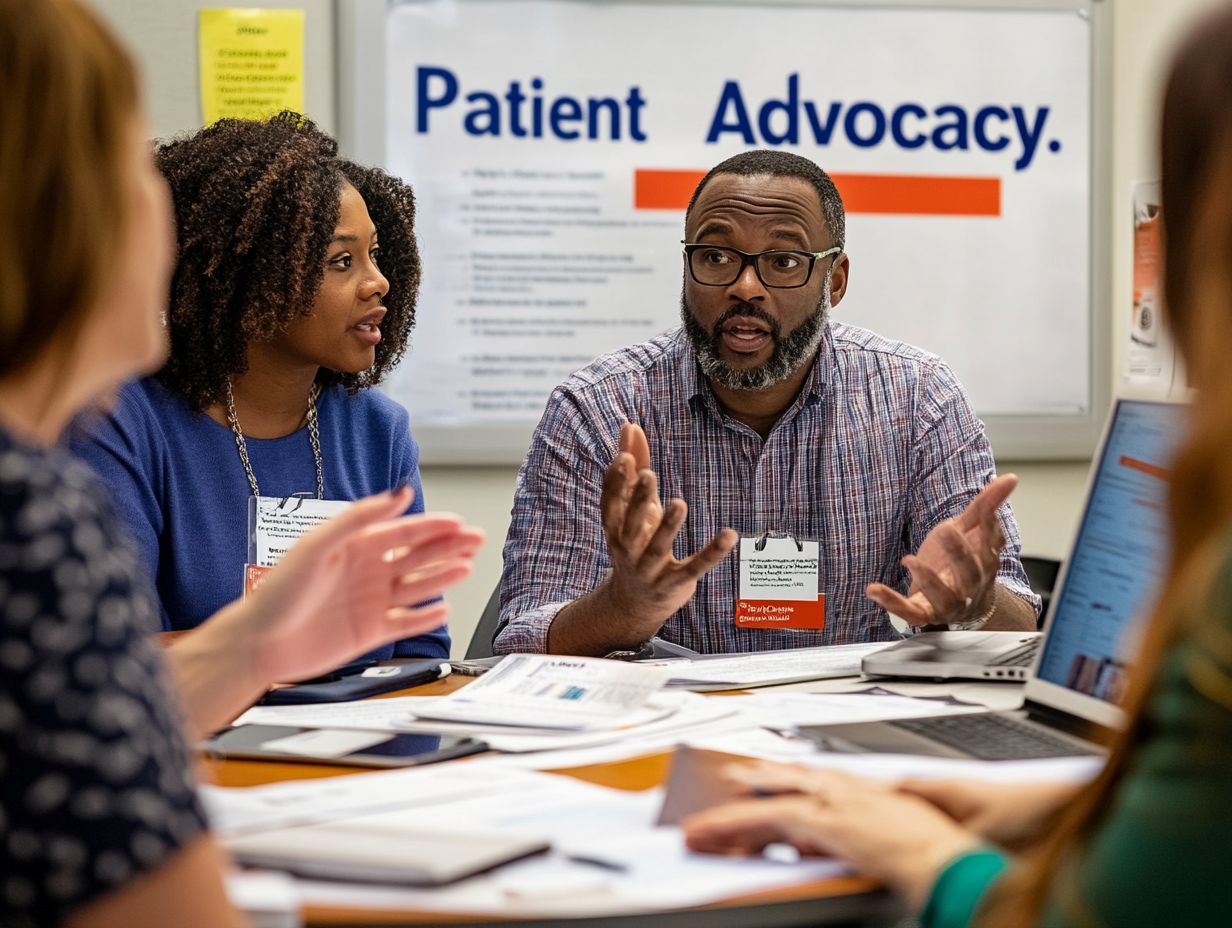
If you’re facing a health challenge, patient advocacy organizations can be invaluable allies. These organizations provide clear, accessible education about your condition and help you understand complex treatment options and insurance processes. Groups like the National Patient Advocate Foundation (NPAF) also work to influence healthcare policies, advocating for fair access and better care standards. By connecting with these groups, you gain access to resources, educational programs, and sometimes personalized guidance to help you navigate the healthcare maze.
Support Groups: Finding Strength in Community
You don’t have to face health challenges alone. Joining a support group—whether in person or online—puts you in contact with others who truly understand your experience. For example, cancer-specific groups like the American Cancer Society’s Reach to Recovery program offer emotional comfort and practical advice. These communities help build coping skills, encourage shared learning, and provide a safe space to express concerns. Support groups are great places to ask questions and find encouragement, which can make a big difference during difficult times.
Online Forums and Communities: Connecting Beyond Boundaries
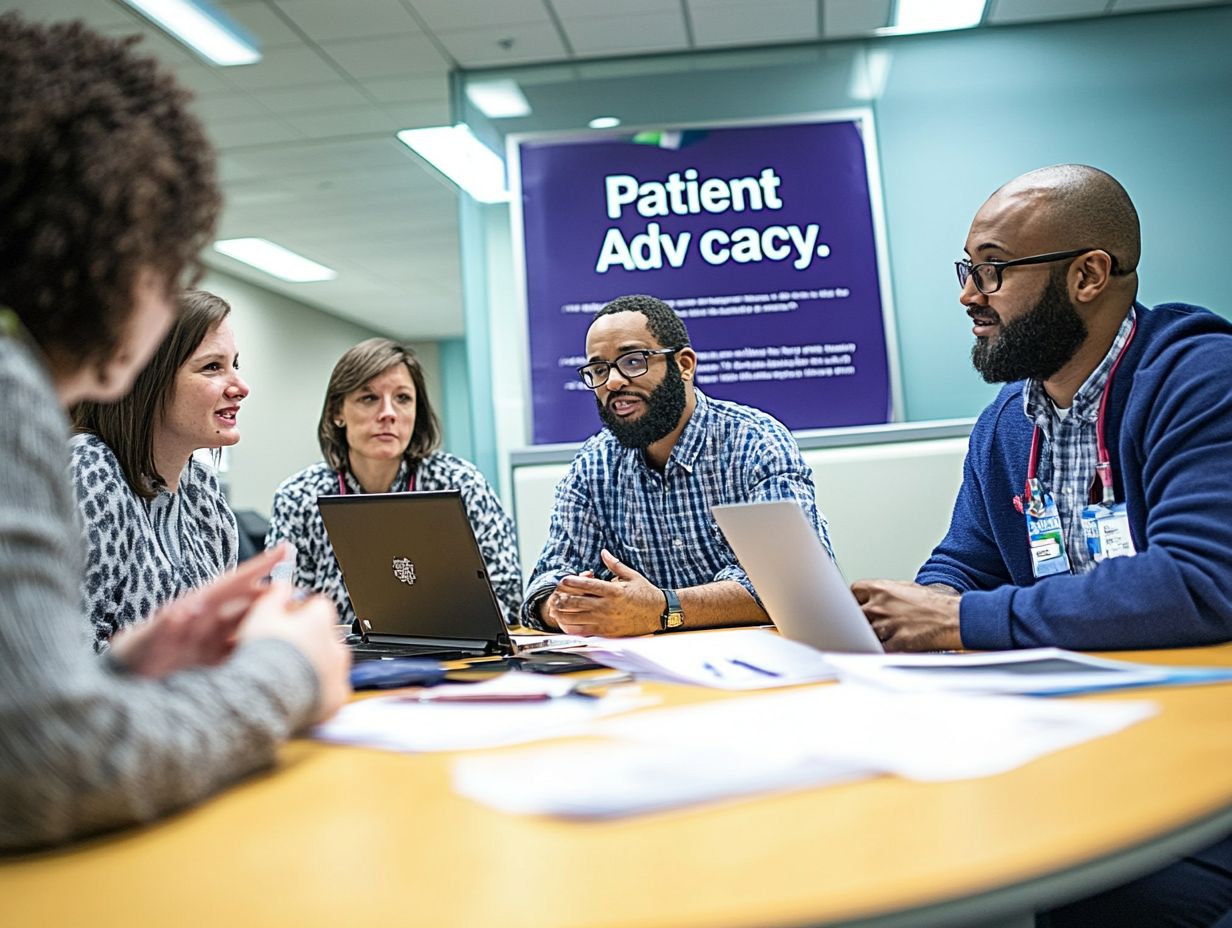
Online platforms have revolutionized patient advocacy by offering spaces where you can share experiences, ask questions, and find critical support anytime. Whether you join condition-specific forums or broader health communities, you’ll benefit from learning how others manage their care and advocate for themselves. Social media also plays a role in spreading awareness and connecting patients worldwide. Resources like WebMD’s community pages and Cancer Research UK’s online forums provide trusted spaces to engage.
Professional Patient Advocates: Your Guide Through Healthcare
Sometimes you need expert help to navigate complex medical decisions and providers’ communications. Professional patient advocates serve as your personal healthcare guides. They help clarify medical terminology, explain treatment options, and support you in making informed choices. By ensuring your preferences and concerns are heard, they reduce stress and improve your overall healthcare experience. If you feel overwhelmed by medical jargon or decisions, working with an advocate can offer reassurance and clearer understanding.
Government Agencies and Resources: Protecting Your Rights

Federal agencies like the Department of Health and Human Services, the Food and Drug Administration, and the Centers for Medicare and Medicaid Services offer critical resources to protect your rights as a patient. They provide educational materials, regulatory guidance, and hotlines to report concerns. Knowing about these resources empowers you to seek the support you deserve and hold the healthcare system accountable for your safety and well-being.
FAQs
What types of patient advocacy resources are available to me?
You can turn to patient advocacy organizations that offer education and policy support, join support groups for emotional and peer help, participate in online forums for shared knowledge, hire professional patient advocates for personalized guidance, and access government programs for patient rights and information.
How can a support group help me manage my health condition?
Support groups provide emotional comfort by connecting you with others facing similar challenges. They also offer practical advice, share coping strategies, and create a community where you feel understood and supported.
Why might I consider hiring a professional patient advocate?
If you find healthcare decisions confusing or overwhelming, a professional advocate can help you understand your options, communicate effectively with providers, and ensure your preferences are respected—reducing stress and improving your care experience.
Are there government resources that can assist with patient advocacy?
Yes. Agencies like the Department of Health and Human Services, the FDA, and CMS provide guidelines, helplines, and educational resources to protect your rights and assist you in navigating healthcare challenges.
How do online communities benefit patient advocacy?
Online communities connect you with peers for support and shared experiences, offer up-to-date health information, and provide platforms to discuss patient rights and advocacy efforts, helping you feel empowered and informed regardless of location.
Additional Resources
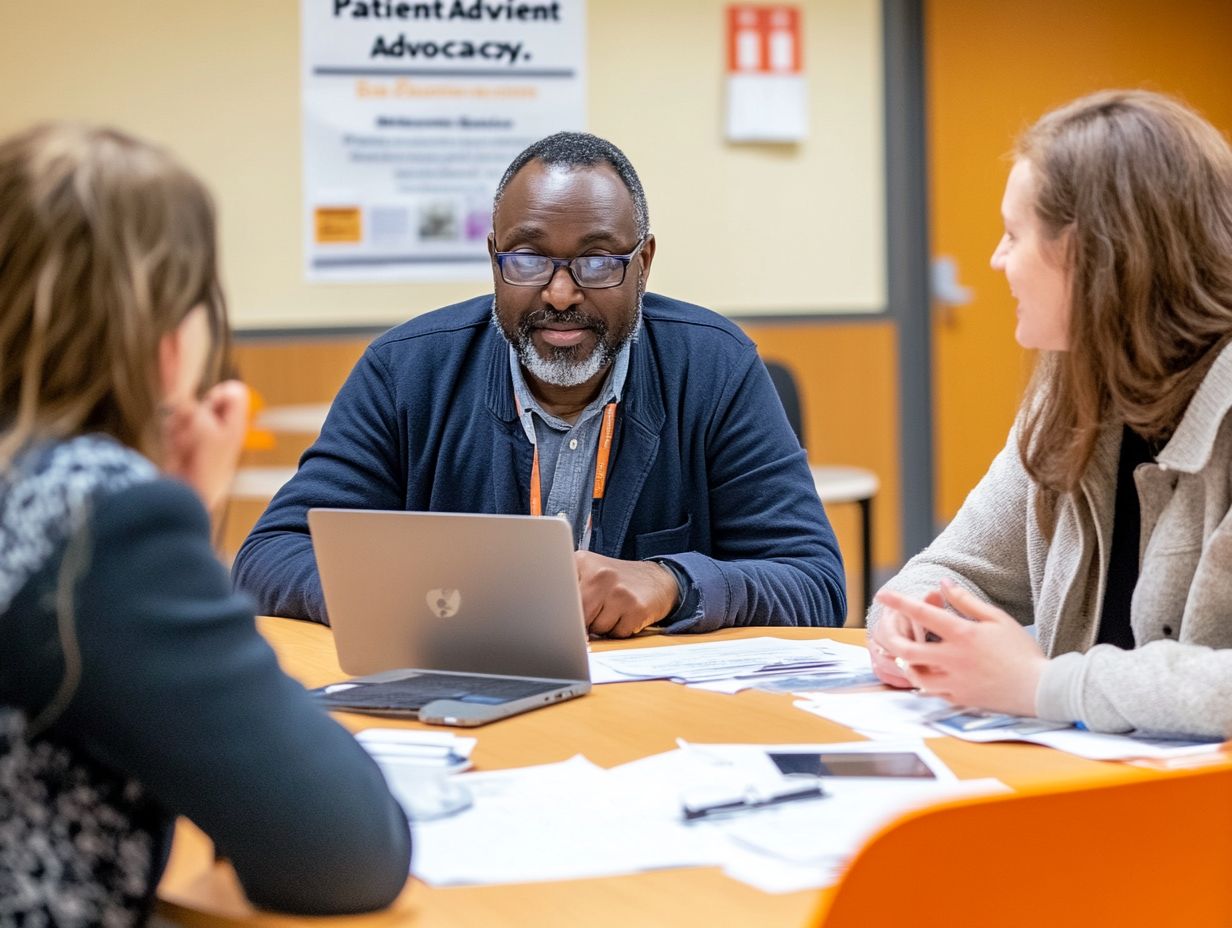
For more on navigating your healthcare journey and advocacy tools, visit trusted sources such as the National Cancer Institute’s patient advocacy overview (link), Mayo Clinic’s patient support information (link), and the U.S. Department of Health and Human Services (link). Remember, advocating for yourself or your loved ones is a powerful step toward better health and care.