Recent breakthroughs in cancer treatment are reshaping patient care with more targeted, personalized, and less invasive approaches. Techniques like immunotherapy, precision medicine, and liquid biopsies are enabling your healthcare team to tailor treatments specifically to your cancer’s unique characteristics, potentially improving effectiveness and reducing side effects. These advances also empower earlier detection and better monitoring, offering hope for improved survival and quality of life. In this guide, you’ll learn about the key innovations transforming cancer therapy today and what they might mean for you or your loved ones facing cancer.
Understanding the Latest Advances in Cancer Treatment
1. Immunotherapy: Boosting Your Body’s Natural Defenses
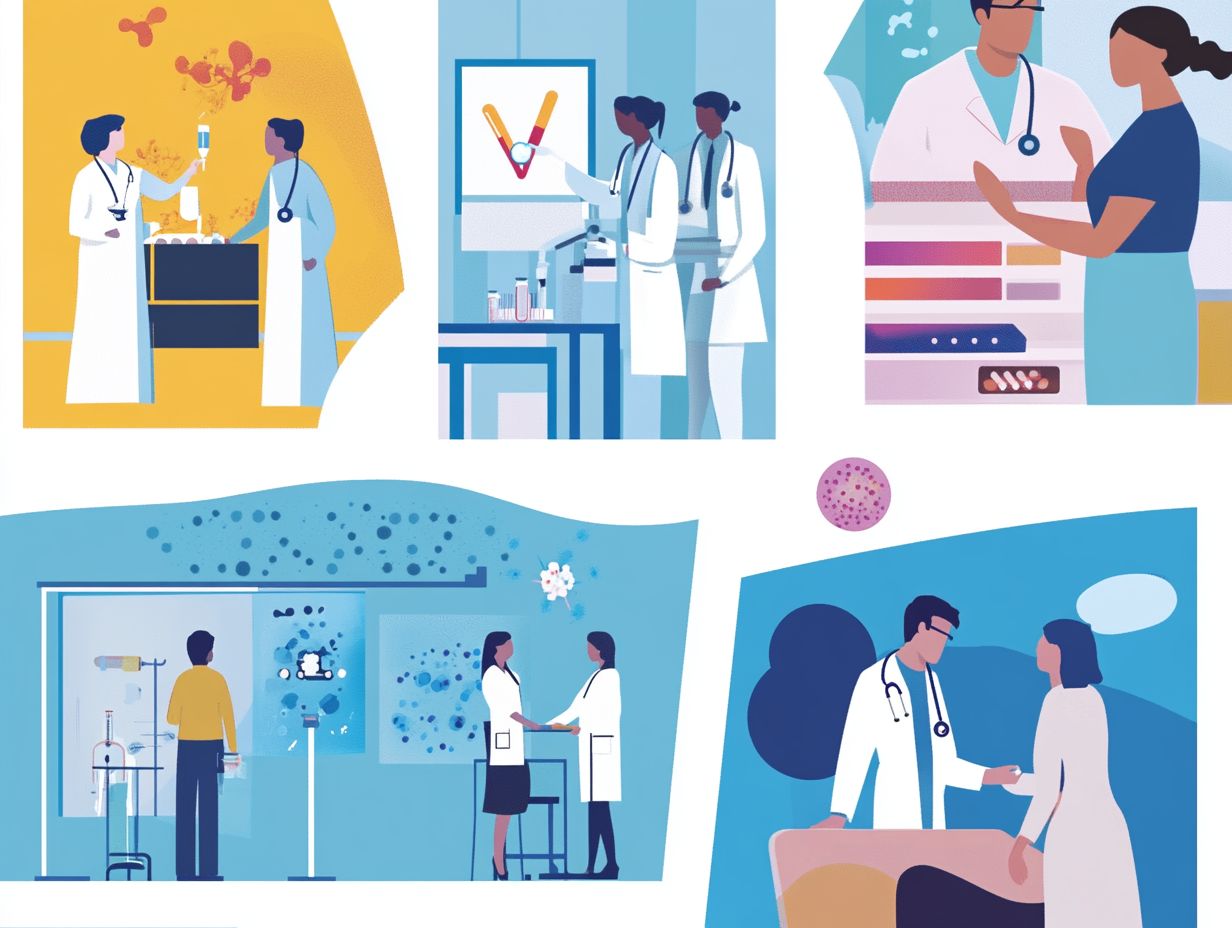
Immunotherapy is an exciting form of treatment that helps your immune system recognize and destroy cancer cells more effectively. Treatments such as monoclonal antibodies and checkpoint inhibitors remove the “brakes” cancer places on immune cells, allowing your body to fight back. For example, personalized immunotherapy strategies developed through genetic testing of your tumor can improve how well you respond to treatment. Leading cancer centers like City of Hope specialize in tailoring these approaches to your individual needs. To learn more about immunotherapy, visit the National Cancer Institute’s page on immunotherapy.
2. Targeted Therapy: Precision Attacks on Cancer Cells
Unlike traditional chemotherapy that affects many cells in the body, targeted therapies focus on specific genetic mutations or molecules found only in cancer cells. If your tumor has a particular mutation—say, in the KRAS gene for some lung cancers—drugs like sotorasib can attack those cancer cells directly while sparing your healthy tissues. This means fewer side effects and more effective treatment. Understanding your tumor’s genetic profile through testing can help your doctor select the best targeted therapy for you. Mayo Clinic offers an accessible overview of how targeted therapy works here: Mayo Clinic Targeted Therapy.
3. Precision Medicine: Your Treatment, Your Biology
Precision medicine goes beyond one-size-fits-all to customize cancer treatment based on your unique genetic makeup, lifestyle, and tumor characteristics. By analyzing mutations and biomarkers in your cancer cells, doctors can predict which therapies will be most effective and avoid those unlikely to work, making treatment safer and personalized. Clinical trials often explore new precision medicine approaches, offering access to cutting-edge options. For detailed info on how precision medicine shapes cancer care, see the National Cancer Institute Precision Medicine overview.
4. CAR T-Cell Therapy: Engineering Your Immune Cells to Fight Cancer
CAR T-cell therapy is a novel immunotherapy that reprograms your own immune T-cells to recognize and attack cancer. Doctors collect your T-cells, modify them in the lab to target your cancer, and then infuse them back into your body. This approach has shown remarkable success in treating certain blood cancers such as leukemia and lymphoma, and it is FDA-approved for these conditions. If you or a loved one has a blood cancer, your doctor might discuss whether CAR T-cell therapy is an option. The Leukemia & Lymphoma Society explains CAR T-cell therapy in simple terms here: LLS CAR T-Cell Therapy.
5. Liquid Biopsies: A Simpler Way to Detect and Monitor Cancer
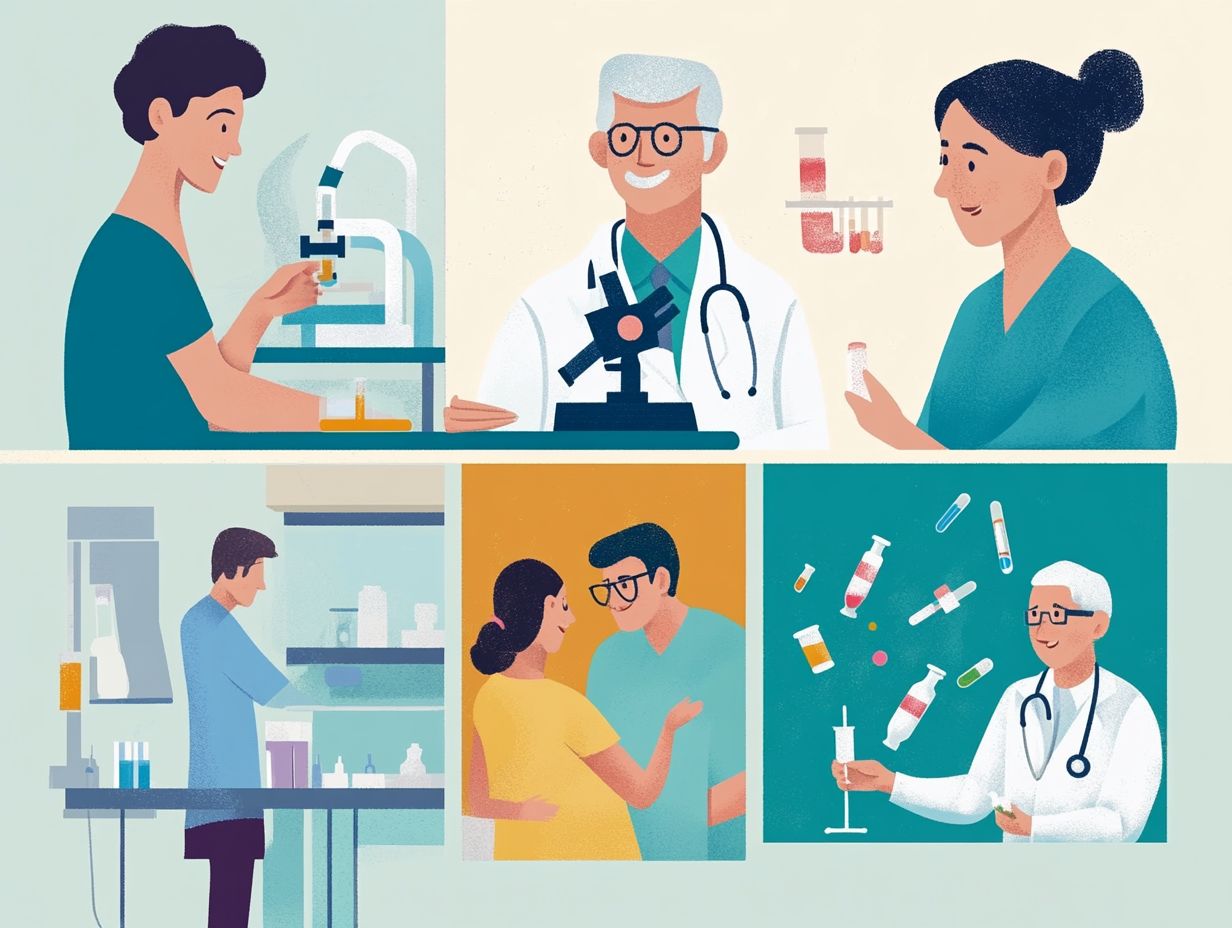
Liquid biopsies are blood tests that detect tiny fragments of DNA shed by tumors circulating in your bloodstream. Unlike traditional biopsies that require surgery or needles into the tumor, liquid biopsies are less invasive and can be repeated often. This allows for earlier cancer detection and real-time monitoring of how well your treatment is working, enabling timely changes if needed. Liquid biopsies also help assess genetic changes in tumors over time. For more about how liquid biopsies work, visit Cancer Research UK: Liquid Biopsies.
How Cancer Treatments Have Evolved and What It Means for You
Treatments like chemotherapy, immunotherapy, targeted therapy, and precision medicine now offer more tailored options than ever before. This evolution means you may experience fewer side effects and better outcomes. For example, CAR T-cell therapy can lead to long-term remission in some patients with blood cancers, while liquid biopsies can help catch cancer early or adjust treatments quickly.
What to Expect Regarding Side Effects
Though these newer therapies can reduce side effects compared to traditional treatments, they still may cause nausea, fatigue, infections, or nerve problems. It’s important to communicate openly with your healthcare team about any symptoms so they can help manage them effectively.
Challenges You Might Face Accessing Advanced Treatments
These cutting-edge therapies can be expensive and may only be available at specialized centers, often in urban areas. Clinical trials, which sometimes provide access to new treatments, have eligibility criteria that can feel complex. If you live far from major hospitals, ask your doctor about telemedicine or referral programs that can help bridge these gaps.
Looking Ahead: The Future of Cancer Care
Future cancer treatments hold promise through gene-editing technologies like CRISPR, smarter AI-driven diagnostics, and more effective immunotherapy combinations. Research continues to explore how to prevent cancer recurrence and tailor therapies even more precisely, helping to improve lives globally.
How You Can Make a Difference
Supporting cancer research through donations, participating in clinical trials when eligible, or raising awareness can accelerate progress. Organizations such as City of Hope and leaders in the field rely on community support to innovate and bring new treatments to patients.
Frequently Asked Questions
What are the most important new cancer treatments today?

Key breakthroughs include immunotherapy, targeted therapy, precision medicine, CAR T-cell therapy, and liquid biopsies—all offering more personalized, effective options for fighting cancer.
How does immunotherapy differ from chemotherapy?
Immunotherapy activates your own immune system to attack cancer cells specifically, while chemotherapy uses drugs that kill rapidly dividing cells, affecting both cancerous and healthy cells.
Can all cancers be treated with precision medicine?
Not all cancers currently have targeted treatments, but precision medicine is expanding rapidly as we learn more about cancer genetics.
What should I know about CAR T-cell therapy?
CAR T therapy has been groundbreaking for certain blood cancers, using your own modified immune cells to fight cancer, but it’s generally not used for solid tumors yet.
How can liquid biopsies help me?
Liquid biopsies can detect cancer earlier and allow doctors to adjust treatment based on changes in your tumor, using a simple blood test.
If you want to explore more on these topics, trusted resources include the National Cancer Institute, Mayo Clinic, and Cancer Research UK.