Receiving a new medical diagnosis can feel overwhelming, but asking the right questions can empower you to take control of your health journey. Understanding your diagnosis fully, exploring treatment options, and knowing what to expect can help you make informed decisions and prepare for the future. This guide walks you through ten crucial questions to discuss with your healthcare provider, guiding you to understand your condition better, manage symptoms, and identify resources to support you along the way.
Understanding Your Diagnosis and Symptoms
Start by asking your doctor to explain exactly what your diagnosis means and what symptoms you might experience. Every condition has a unique set of signs—like fatigue, pain, or changes in bodily functions—that can vary from person to person. Knowing these helps you recognize how your body is responding and supports clear communication with your healthcare team.

How Common Is My Condition and What Causes It?
You might wonder how common your diagnosis is or whether it runs in your family. Many conditions, such as cancer or heart disease, are common and affected by a combination of genetics, lifestyle habits, and environmental factors. For example, a family history of cancer increases risk, but lifestyle changes like quitting smoking and eating well can help lower it. Understanding these causes helps you identify personal risk factors and proactive steps.
What Treatment Options Are Available, and What Are Their Side Effects?
Treatments can include medications, surgery, physical therapy, or lifestyle changes. Each comes with benefits along with possible side effects like nausea, fatigue, or soreness after surgery. Discuss these openly with your doctor so you can prepare and manage any treatment impacts on your daily life. Sometimes, alternative therapies such as acupuncture or nutritional strategies might complement your care—but always consult your doctor before trying new treatments.
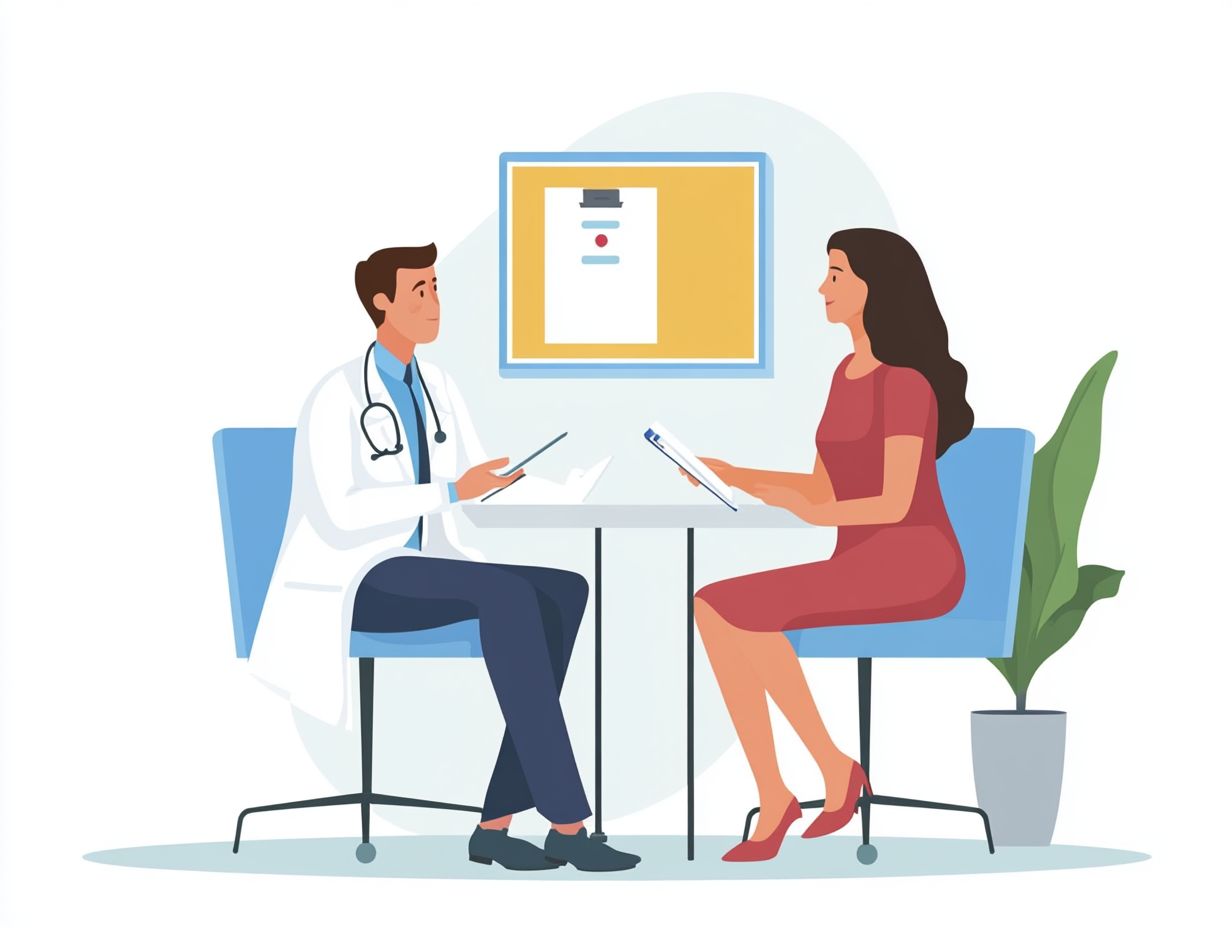
How Will This Diagnosis Affect My Daily Life?
Your condition may require adjustments in your routine, like scheduling rest periods, modifying work tasks, or seeking emotional support through counseling. Support groups—whether in person or online—can offer community and shared experiences, helping you feel less alone. Resources from reputable organizations, such as the National Cancer Institute or Mayo Clinic, are valuable for learning more and finding help.
What Is the Long-Term Outlook, and How Will My Condition Be Monitored?
Ask your provider about the typical progression of your condition and how often you should have check-ups or tests. Conditions like cancer have varying prognoses depending on stage and treatment response, so regular monitoring is key to catching changes early and adjusting care as needed.

Monitoring frequency depends on your specific condition, and your healthcare provider will advise you. Adhering to scheduled visits and tests helps ensure optimal management.
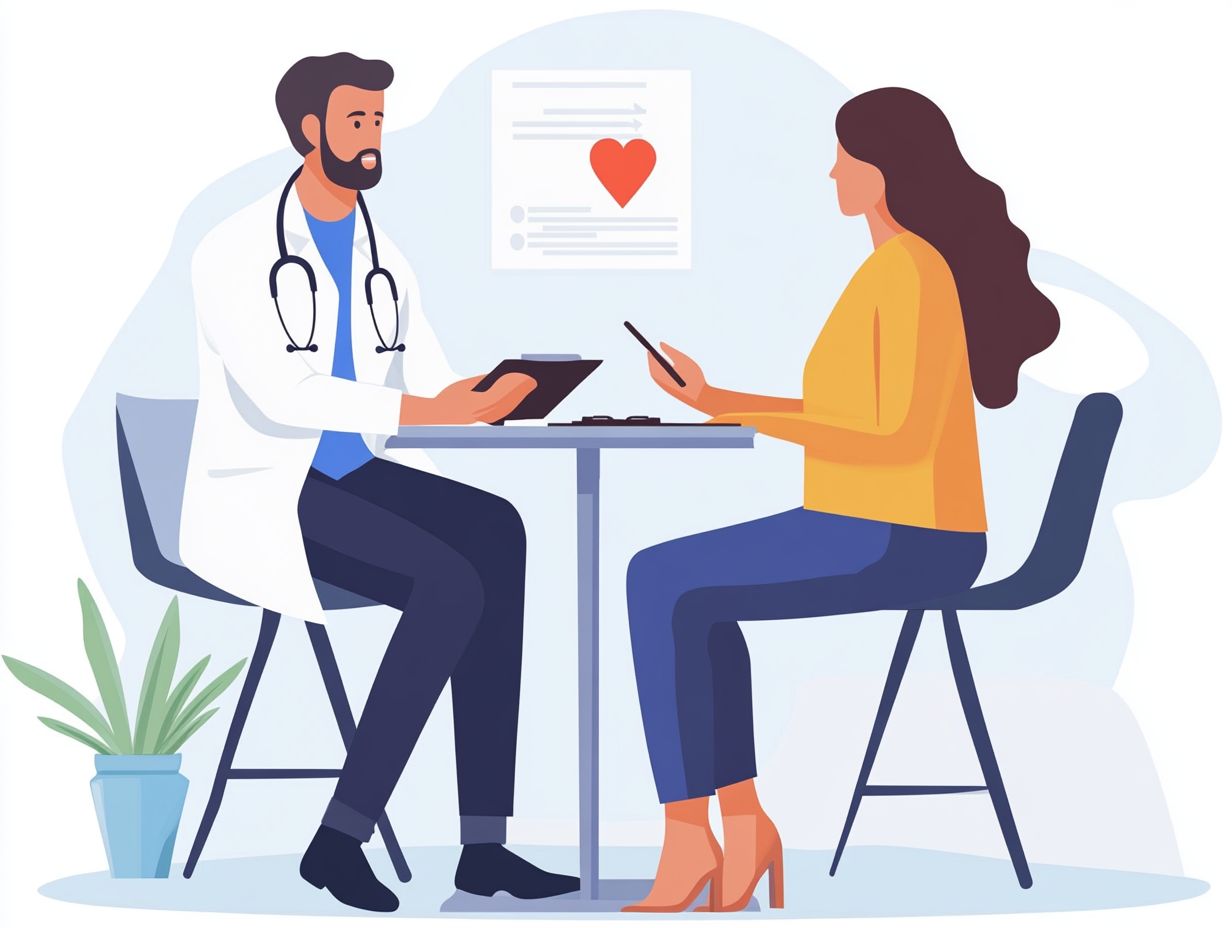
How Can I Advocate for Myself Throughout My Care?
Taking an active role means preparing questions, understanding your treatment plan, and communicating openly with your healthcare team. If surgery or complex treatments are involved, knowing your doctor’s qualifications and what to expect can ease anxiety and ensure your care aligns with your goals. Your voice matters in shaping your journey to better health.
Frequently Asked Questions
1. What should I ask my doctor during diagnosis to understand my condition better?
Start with questions like, “What exactly is my diagnosis?”, “What symptoms should I watch for?”, and “What causes this condition?”
2. How do I know what treatment is best for me?
Discuss all available options, potential side effects, and how each treatment might affect your lifestyle to make choices that fit your needs.
3. Are support groups really helpful and where can I find them?
Yes, connecting with others can provide emotional support and practical advice. Ask your healthcare provider or visit trusted sites like the Cancer Support Community for resources.
4. What lifestyle changes can improve my condition?
Depending on your diagnosis, changes like balanced nutrition, exercise, quitting smoking, and stress management can make a significant difference.
5. How do I monitor for warning signs or flare-ups?
Learn what symptoms signal a change in your condition, such as increased pain or fatigue, and report these promptly to your healthcare team.