Radiation therapy plays a vital role in cancer care by using powerful energy rays to precisely target and destroy cancer cells while preserving healthy tissue. If you or a loved one are facing cancer, understanding how radiation therapy works, its different types, what to expect during treatment, and potential side effects can empower you to make informed decisions alongside your healthcare team. This comprehensive guide covers key questions about radiation therapy, from its purpose and administration to combining it with other treatments, helping you navigate this important option in the cancer journey.
What Is Radiation Therapy and How Does It Work?

Radiation therapy is a medical treatment that uses high-energy rays—such as X-rays, protons, or other particles—to kill cancer cells by damaging their DNA. This damage prevents cancer cells from growing and dividing, effectively controlling or eliminating tumors. Because cancer cells typically grow faster and repair DNA less effectively than normal cells, radiation therapy can target them selectively while minimizing harm to healthy tissues around the tumor. Your radiation oncologist, a specialist in this field, will design a treatment plan customized to your specific cancer type and location.
Types of Radiation Therapy You Should Know About
There are several forms of radiation therapy, each suited to different cancer types and treatment goals:
- External Beam Radiation Therapy: The most common type, where a machine directs radiation beams at the tumor from outside the body.
- Brachytherapy: This involves placing radioactive material directly inside or near the tumor, often used for prostate, cervical, or breast cancers.
- Stereotactic Radiosurgery (SRS) and Stereotactic Body Radiotherapy (SBRT): These deliver very precise, high-dose radiation in fewer sessions, commonly for small tumors in the brain or lungs.
- Intensity-Modulated Radiation Therapy (IMRT): Allows radiation doses to conform closely to tumor shapes, protecting nearby healthy tissues.
- Proton Therapy: Uses protons instead of X-rays, which can reduce side effects by focusing radiation more precisely.
Your care team, including radiation therapists and medical physicists, will determine the most appropriate method based on your diagnosis.
Which Cancers Can Radiation Therapy Treat?
Radiation therapy is effective against many cancers, including breast, prostate, lung, brain, head and neck cancers, and lymphomas. It may be used alone or with other treatments such as surgery and chemotherapy, either to cure cancer or to control symptoms and improve quality of life. Speak with your oncologist about whether radiation therapy is suitable for your specific condition.
What to Expect During Radiation Therapy Sessions
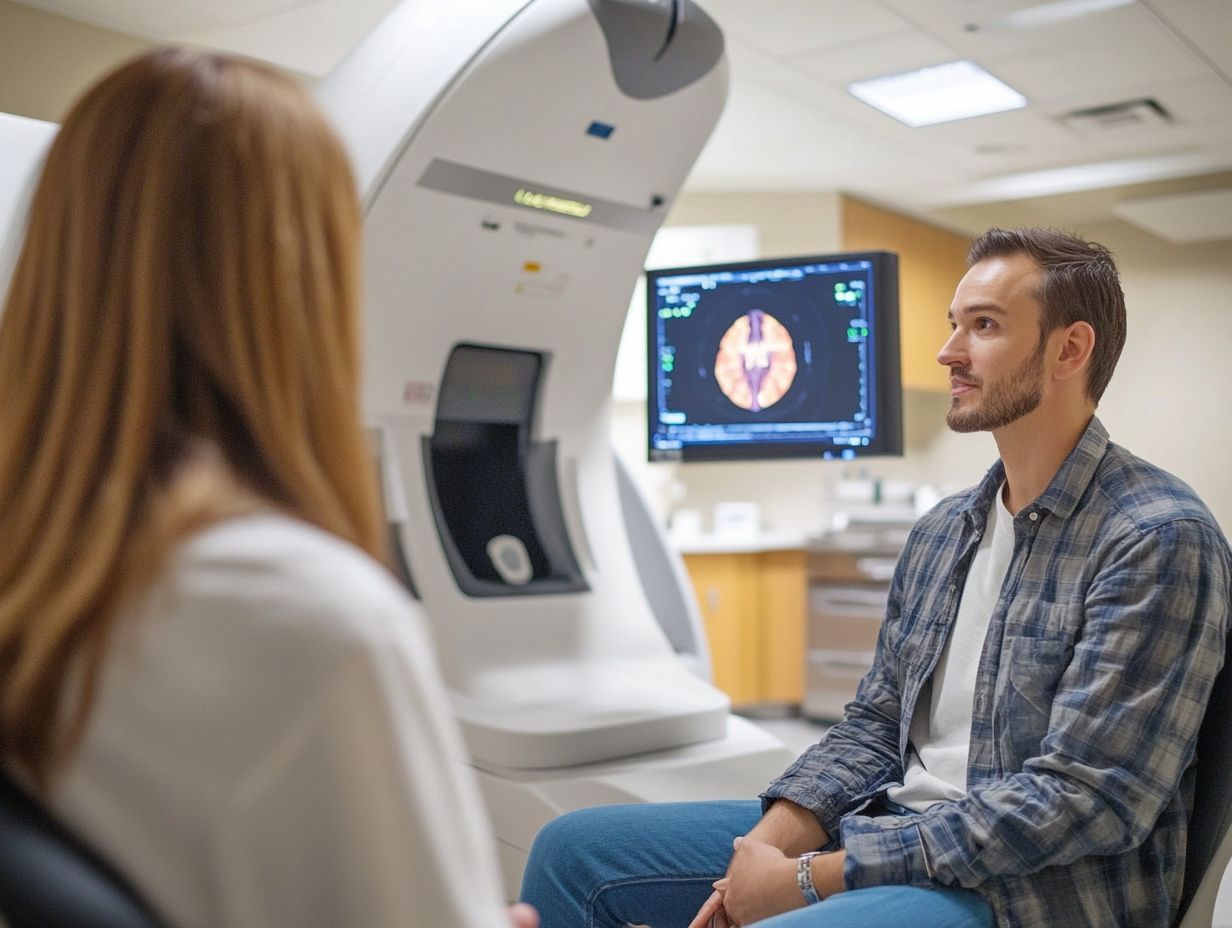
Treatment sessions are typically painless and outpatient-based, lasting from a few minutes up to an hour, depending on the type of radiation used. Before starting, you’ll undergo imaging tests like CT or PET scans that help map the tumor’s exact location to target radiation precisely. During each session, you’ll lie on a treatment table while the machine delivers radiation to the designated area. A dedicated team monitors your safety throughout. Sessions usually occur five days a week over several weeks, but some advanced techniques like SBRT require fewer visits.
Possible Side Effects and How They Are Managed
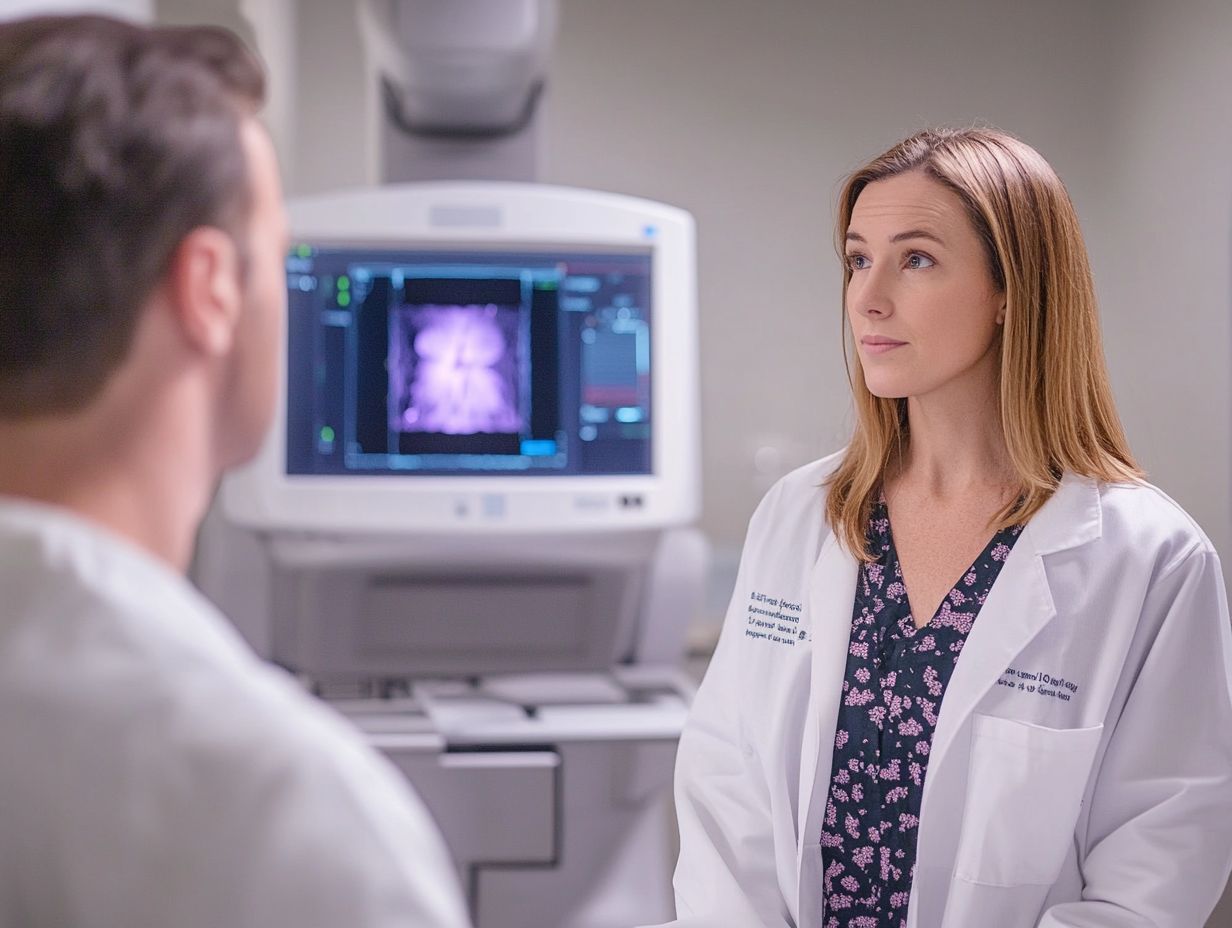
Radiation therapy side effects depend on the area treated and the dose delivered. Common short-term side effects can include fatigue, skin redness or irritation, nausea, and localized hair loss.
- Fatigue
- Skin redness or irritation
- Nausea
- Localized hair loss
Long-term effects may involve changes in the function of nearby organs or tissues, and very rarely, the development of secondary cancers. Your oncology team will guide you in managing side effects through medications, skin care recommendations, nutrition counseling, and supportive therapies to maintain your comfort and health during treatment.
Combining Radiation Therapy with Other Treatments
Radiation therapy is often combined with chemotherapy to enhance effectiveness, with chemotherapy making cancer cells more sensitive to radiation. It can also be used before surgery (neoadjuvant) to shrink tumors or after surgery (adjuvant) to eliminate remaining cancer cells. Discussing a multimodal plan with your oncologist can optimize your treatment and improve outcomes.
Understanding the Cost and Pain Factor
The cost of radiation therapy varies widely, influenced by the treatment type, location, and insurance coverage. Financial assistance and insurance can help reduce out-of-pocket expenses. Importantly, radiation therapy itself is not painful, although some side effects may cause discomfort. The treatment is non-invasive, and healthcare teams strive to make your experience as comfortable as possible.
Preparing for Radiation Therapy
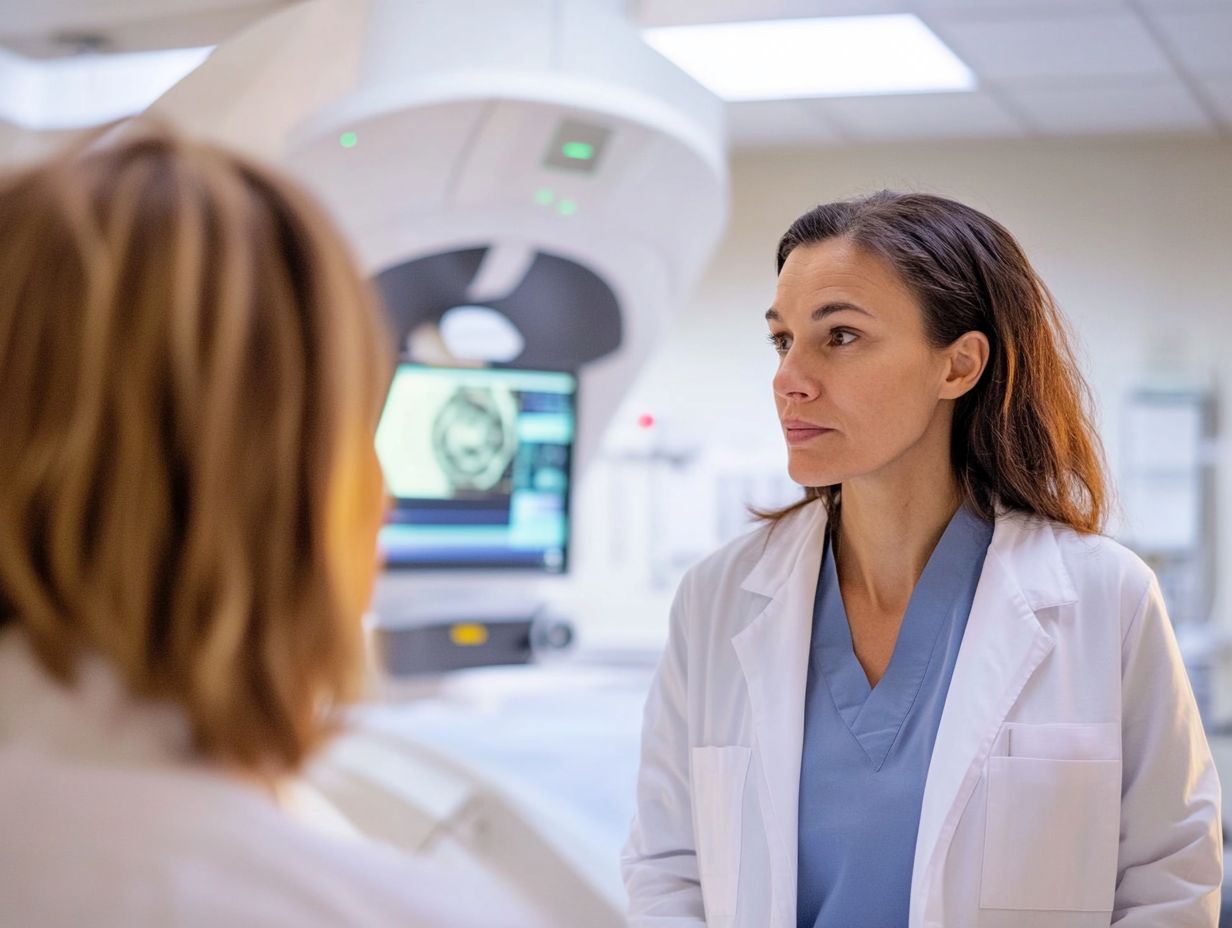
To prepare, it helps to discuss your treatment plan thoroughly with your radiation oncologist, ask questions about potential side effects, and understand the schedule. Maintaining a nutritious diet, wearing comfortable clothing, and seeking emotional support from family, friends, or support groups can also enhance your well-being throughout therapy.
Success Rates and Long-term Outlook
Radiation therapy’s success depends on cancer type, stage, and treatment approach. For example, localized prostate and breast cancers have high survival rates with radiation treatment. Personalized planning aims to maximize treatment effectiveness while protecting healthy tissues, improving both survival rates and quality of life.
Frequently Asked Questions
What is radiation therapy?
Radiation therapy is a cancer treatment that uses high-energy radiation to kill cancer cells and shrink tumors, helping to control or cure cancer.
How does radiation therapy affect healthy cells?
While radiation can affect normal cells near the tumor, these cells are usually better able to repair themselves than cancer cells. Treatment planning seeks to minimize damage to healthy tissue.
Is radiation therapy painful?
The therapy itself is painless and non-invasive. Some patients may experience side effects like skin irritation or fatigue, which your care team will manage.
How long does a typical radiation therapy course last?
Treatment usually spans several weeks, with daily sessions from Monday to Friday; however, newer techniques may shorten this duration.
Can radiation therapy be combined with other cancer treatments?
Yes. It is often used alongside chemotherapy or surgery to improve treatment effectiveness.