Physical therapy plays a vital role in cancer recovery, offering tailored rehabilitative support to help survivors regain strength, mobility, and improve quality of life. It involves personalized treatment plans crafted by physical therapists to address the unique challenges faced by cancer patients.
Through oncological rehabilitation, postural training, strength training, and assistive device training, physical therapy aids in managing treatment side effects such as fatigue and pain. Starting therapy soon after diagnosis can significantly enhance recovery, with techniques like resistance training, stretching exercises, and aerobic conditioning supporting physical health improvements.
Collaborative planning between oncologists and physical therapists ensures that therapy is timed and tailored to each patient’s specific needs, promoting effective pain management, energy level enhancement, and overall well-being throughout the cancer recovery journey.
Key Takeaways:
The Basics of Physical Therapy

Physical therapy is a branch of rehabilitative health care focused on improving function and mobility for individuals with physical impairments.
Physical therapy involves personalized treatment plans designed by physical therapists using techniques and exercises to address musculoskeletal conditions, enhance cardiovascular fitness, and support recovery from surgery.
Definition and Purpose
Physical therapy aims to assist patients in overcoming physical impairments from diseases or treatments by alleviating pain, restoring mobility, and improving quality of life.
Physical therapists use techniques and exercise plans to help patients regain strength and function.
Education on injury prevention and self-management enables patients for long-term wellness.
The Role of Physical Therapy in Cancer Recovery
Physical therapy in cancer recovery involves customized exercise programs that help cancer survivors regain strength and improve function post-treatment. These well-designed exercise interventions enhance the lymphatic system’s function and reduce proinflammatory cytokines.
Physical therapy addresses issues like fatigue and physical impairments, enhancing recovery and quality of life.
Benefits for Cancer Patients
Physical therapy benefits cancer patients by improving quality of life and enhancing physical function, while addressing physical impairments and psychosocial disabilities.
Physical therapy decreases fatigue and aids in pain management through specialized exercise programs.
Physical therapy also boosts cardiovascular fitness and helps patients cope with emotional challenges from a cancer diagnosis.
Types of Physical Therapy for Cancer Patients
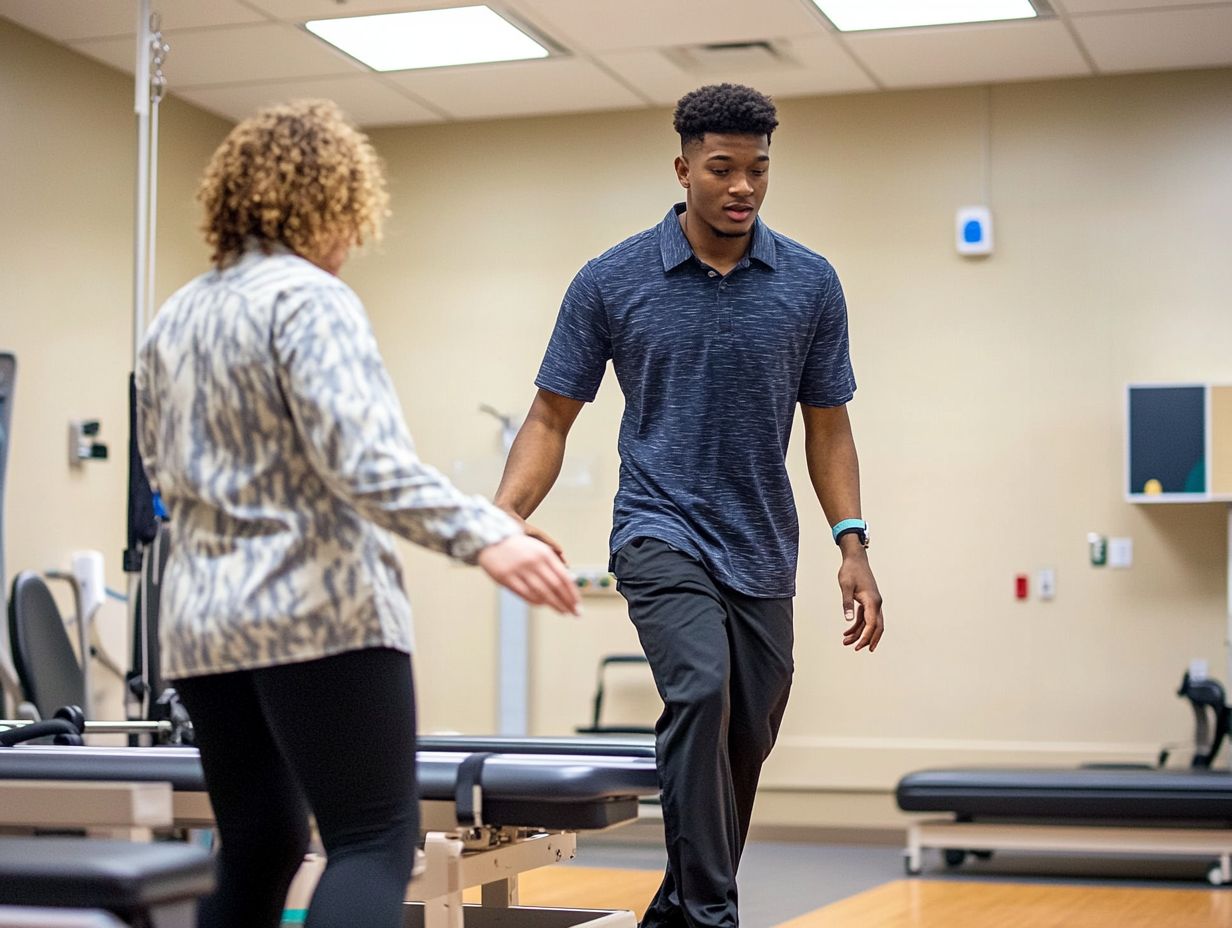
Types of physical therapy for cancer patients include:
- Oncological Rehabilitation: Focuses on restoring physical function and managing treatment side effects.
- Postural Training: Improves posture and alignment to reduce discomfort.
- Strength Training: Builds muscle strength weakened by cancer treatment.
- Assistive Device Training: Helps patients use devices for mobility and independence.
Each therapy type aims to enhance recovery and improve overall health.
Specific Techniques and Approaches
Specific techniques in physical therapy for cancer recovery include:
- Resistance training
- Stretching exercises
- Aerobic conditioning
Resistance training rebuilds muscle strength. Stretching exercises improve flexibility. Aerobic conditioning enhances cardiovascular health.
These approaches help cancer survivors regain physical health and improve quality of life.
When to Start Physical Therapy During Cancer Treatment
Start physical therapy during cancer treatment soon after diagnosis to address fatigue and physical impairments.
Physical therapy during cancer treatment aids recovery and improves quality of life by incorporating exercise guidelines and personalized treatment plans.
Discuss with healthcare providers the best timing for therapy based on treatment plans and individual health conditions.
Timing and Considerations
Timing considerations for starting physical therapy depend on treatment protocols and individual patient needs, requiring healthcare providers’ assessments.
Factors include:
- Cancer type
- Recovery timelines
- Side effects like fatigue
- Pre-existing conditions
Collaborative planning between oncologists and physical therapists ensures tailored rehabilitation plans that address unique patient circumstances.
How Physical Therapy Can Help with Side Effects of Cancer Treatment
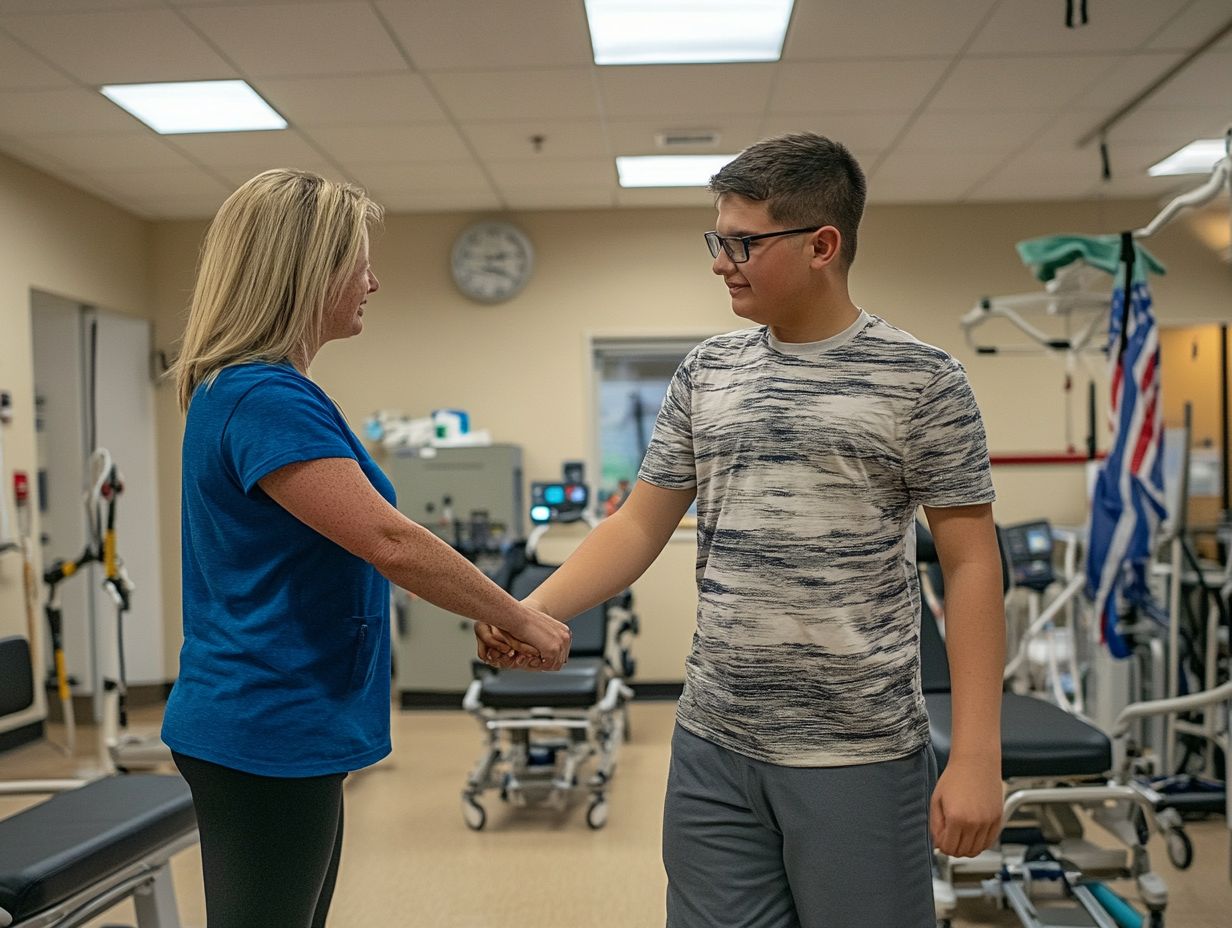
Physical therapy helps manage side effects of cancer treatment by reducing pain, alleviating fatigue, and improving function through specific exercises, including interventions for neurodegeneration and cognitive changes.
Physical therapy interventions target musculoskeletal issues and enhance energy levels, aiding recovery and improving quality of life.
Managing Pain, Fatigue, and Other Symptoms
Managing pain, fatigue, and other symptoms in cancer patients involves using physical therapy to maintain or improve quality of life during treatment.
Physical therapy techniques like therapeutic exercises, manual therapy, and neuromuscular re-education help regain mobility and reduce symptoms.
Therapeutic exercises increase strength, while manual therapy relieves tension.
Guided relaxation and breathing exercises alleviate fatigue and enhance wellbeing.
Working with a Physical Therapist
Working with a physical therapist helps cancer survivors by developing personalized exercise programs to aid recovery and improve physical function.
Physical therapists guide patients through exercises tailored to individual treatment history and recovery goals, ensuring patient compliance and encouraging shared decision-making in exercise recommendations.
Active participation in these programs enhances rehabilitation success.
What to Expect and How to Prepare
Cancer survivors should expect physical therapy sessions to include a comprehensive evaluation of medical history and physical capabilities.
Patients can prepare by providing a list of medications, relevant medical records, and specific questions for effective communication.
This preparation maximizes the rehabilitation experience by ensuring a personalized treatment plan and effective therapist collaboration.
Frequently Asked Questions
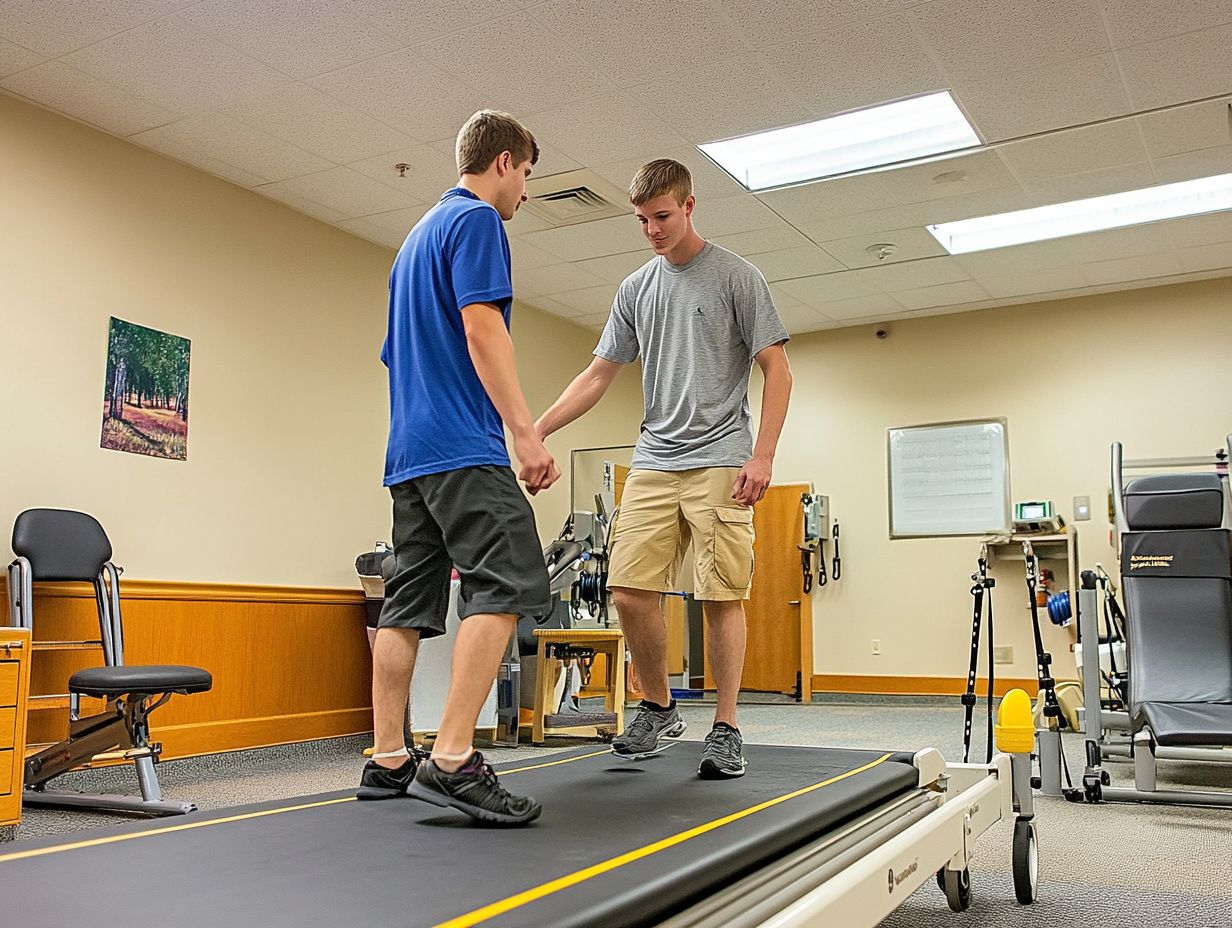
What role does physical therapy play in cancer recovery?
Physical therapy plays a crucial role in cancer recovery by helping patients regain their strength, mobility, and overall quality of life.
How does physical therapy help cancer patients?
Physical therapy can help cancer patients by reducing pain, improving flexibility and range of motion, and increasing energy and endurance.
What are some common physical therapy techniques used in cancer recovery?
Some common physical therapy techniques used in cancer recovery include therapeutic exercises, manual therapy, and modalities such as heat and cold therapy. Exercise training and patient education are essential for optimizing health care outcomes.
Who can benefit from physical therapy during cancer recovery?
Anyone undergoing cancer treatment or recovering from cancer can benefit from physical therapy. This includes patients of all ages and fitness levels.
Is physical therapy safe for cancer patients?
Yes, physical therapy is considered safe for cancer patients. However, it is important to consult with your doctor before starting any new exercise program.
How can physical therapy improve the overall quality of life for cancer patients?
Physical therapy can improve the overall quality of life for cancer patients by helping them manage symptoms such as fatigue, weakness, and pain, and by promoting independence and self-care through home programs and patient responsibility.