Treatment fatigue, often referred to as cancer fatigue, is a significant challenge for cancer patients, manifesting as physical and emotional exhaustion that impacts daily life and treatment adherence. Recognizing signs such as overwhelming exhaustion, lack of motivation, and disrupted sleep patterns is crucial for managing this condition effectively, often requiring interventions from healthcare providers.
These symptoms can lead to difficulties in everyday tasks, changes in mood, and social withdrawal, all of which affect the patient’s overall well-being.
Understanding the causes and risk factors, including the effects of chemotherapy, radiation therapy, and emotional strains such as depression and anxiety symptoms, can help in developing personalized strategies to manage fatigue. Engaging in lifestyle changes, seeking mental health support, and maintaining open communication with healthcare providers are essential in alleviating treatment fatigue, enhancing both treatment outcomes and quality of life.
By addressing treatment fatigue, patients can improve their energy levels and maintain a more positive outlook on their recovery journey.
Key Takeaways:
1. Feeling Overwhelmed and Exhausted
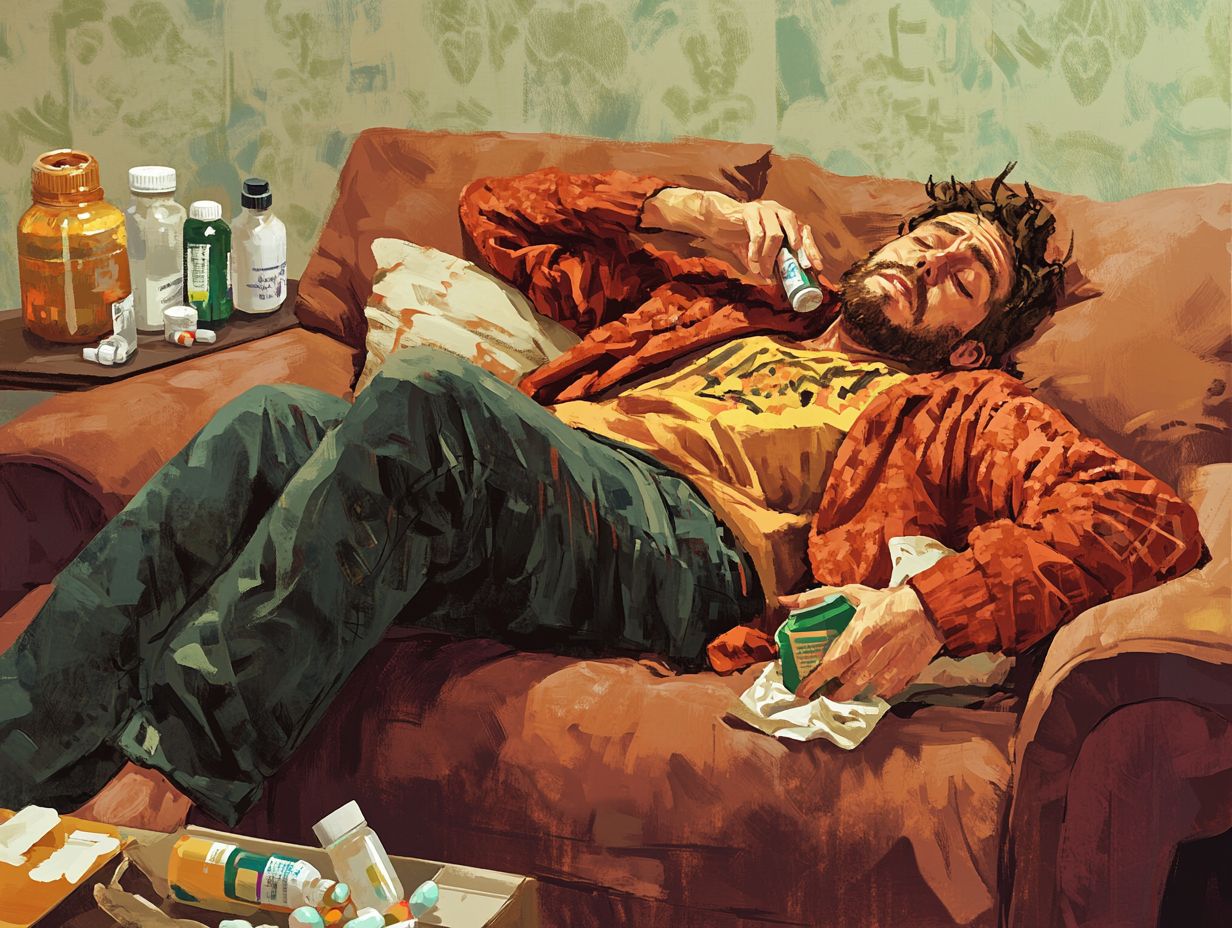
Cancer-related fatigue is a common symptom for individuals undergoing cancer treatments, characterized by both physical and emotional exhaustion.
This cancer-related fatigue affects daily life by reducing physical capabilities and causing emotional distress, often exacerbated by underlying conditions such as anemia and chronic fatigue syndrome.
Recognizing these fatigue symptoms and working with a healthcare team can help manage fatigue through personalized strategies like nutrition and lifestyle changes, including regular exercise and mental health care.
2. Lack of Motivation and Interest
Lack of motivation and interest is common among cancer patients, often due to cancer fatigue and emotional fatigue, which can lead to decreased energy levels and withdrawal from social interactions.
This fatigue impacts their ability to engage in routine activities, follow treatment regimens, and maintain social interactions.
Addressing emotional needs and implementing coping strategies, like mindfulness practices, setting small goals, and seeking support, can help improve motivation and interest.
3. Physical Symptoms of Fatigue
Physical symptoms of fatigue include chronic tiredness, severe exhaustion, sleep disturbances, such as insomnia, and disrupted sleep patterns.
Fatigue may also cause muscle weakness and lethargy, further compounded by conditions like fibromyalgia, hypothyroidism, and cardiovascular disease.
Anemia due to cancer or treatment can intensify these symptoms.
4. Difficulty in Concentration and Memory
Cancer fatigue often causes difficulty in concentration and memory, linked to treatments like chemotherapy and radiation.
Cognitive challenges from ‘chemo brain’ affect daily tasks and quality of life, requiring interventions from healthcare providers who understand the nuances of cancer treatments and related fatigue.
Sleep disturbances and anxiety can worsen these issues.
Strategies like regular sleep routines, mindfulness, and cognitive exercises can improve focus and memory.
5. Changes in Mood and Emotions
Changes in mood and emotions among cancer patients often include mood swings, irritability, and emotional instability due to cancer and emotional fatigue.
These changes increase the risk of depression and anxiety symptoms, impacting daily interactions and self-care, highlighting the importance of mental health support and fatigue management strategies.
Open dialogue with healthcare providers is crucial to manage these symptoms and explore therapeutic options like counseling and medication.
6. Increased Irritability and Frustration
Increased irritability and frustration in cancer patients result from cancer fatigue, impacting mental health and emotional stability.
Patients may struggle with daily tasks and experience difficulty in maintaining positive interactions.
Open communication with support networks and using coping mechanisms such as mindfulness or journaling can help manage frustration.
7. Loss of Appetite and Weight Changes
Loss of appetite and weight changes commonly affect cancer patients, often linked to cancer fatigue and lack of energy.
Fatigue can reduce motivation to eat, causing decreased energy and worsened appetite.
Emotional factors like anxiety can amplify appetite loss, affecting nutritional intake.
Addressing these issues with nutritional support is crucial to maintain energy and aid treatment.
8. Lack of Sleep or Disrupted Sleep Patterns
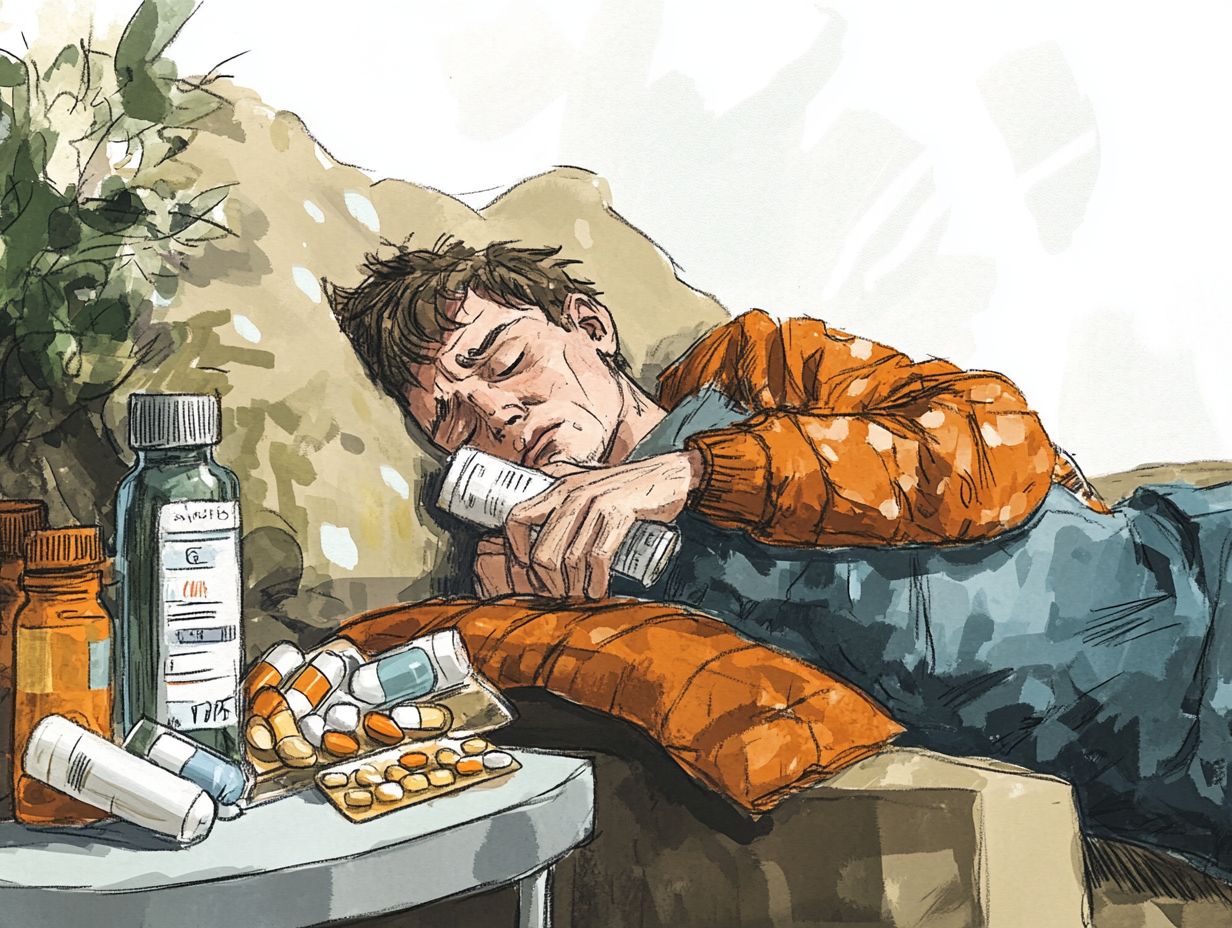
Lack of sleep or disrupted sleep patterns is a common issue for cancer patients, often caused by cancer fatigue.
Sleep disruptions impact recovery, mental health, and can lead to chronic fatigue and insomnia, affecting the overall management of cancer-related fatigue.
Establishing a regular sleep schedule and creating a comfortable sleep environment can improve sleep quality.
Consulting healthcare providers about sleep issues can help develop personalized strategies for better sleep.
9. Decreased Social Interactions
Decreased social interactions often occur in individuals experiencing cancer fatigue due to severe fatigue and mental health challenges, including depression symptoms, leading to withdrawal from friends and family.
This withdrawal can worsen fatigue and emotional struggles. Maintaining social ties is crucial for support and encouragement.
Active communication with friends, family, or support groups enhances emotional resilience and well-being.
10. Reluctance to Continue with Treatment
Reluctance to continue with cancer treatment often occurs due to cancer-related fatigue.
Patients experiencing severe fatigue may question the benefits of ongoing therapy.
Communicating with healthcare providers about fatigue can lead to tailored management strategies and treatment adjustments.
11. Feeling Hopeless and Helpless
Cancer patients often experience feelings of hopelessness and helplessness due to cancer fatigue and emotional fatigue, which can increase depression and anxiety symptoms, further requiring the attention of healthcare teams for holistic treatment approaches.
To manage these feelings, mental health support is essential, offering a space to express emotions.
Therapeutic activities like art therapy, meditation, and light physical exercise help promote relaxation and a sense of accomplishment.
12. Withdrawal from Activities and Hobbies
Withdrawal from activities and hobbies occurs when cancer fatigue causes emotional fatigue and low energy, leading to disengagement from social and recreational pursuits.
This withdrawal impacts mental health and increases feelings of isolation.
Re-engaging in hobbies can improve well-being and emotional resilience.
Support from friends and family enhances this process by providing encouragement and understanding.
13. Increase in Physical Pain
An increase in physical pain can occur in cancer patients experiencing cancer fatigue, where chronic exhaustion accentuates pain levels, often linked to underlying conditions like autoimmune diseases and lung disease.
This pain increase complicates fatigue management, creating a cycle that affects overall well-being.
Open communication with healthcare providers helps in developing treatment plans addressing both pain and fatigue, improving patient comfort.
14. Difficulty in Coping with Everyday Tasks
Cancer fatigue causes difficulty in coping with everyday tasks, impacting physical abilities and mental focus.
Difficulty arises from a lack of energy that makes simple chores challenging.
Coping strategies for managing fatigue include:
- Breaking tasks into smaller segments
- Setting realistic goals
- Taking regular breaks
- Practicing mindfulness
These strategies help manage energy and improve productivity despite fatigue.
15. Thoughts of Giving Up on Treatment

Patients with cancer may consider giving up on treatment due to cancer fatigue, emotional fatigue, and declining mental health.
Support from healthcare providers can address these feelings through counseling and support groups, helping patients manage treatment-related fatigue and improve mental health.
Open discussion and seeking help can enable patients to regain control and enhance well-being.
What Causes Treatment Fatigue?
Treatment fatigue is caused by the physical and emotional toll of medical treatments, such as chemotherapy and radiation therapy, which induce exhaustion by targeting both cancer and healthy cells. Additional factors like medications, anemia, and autoimmune diseases can exacerbate fatigue, while the stress of a cancer diagnosis can contribute to mental fatigue.
Additional factors like anemia and autoimmune diseases can exacerbate fatigue, while the stress of a cancer diagnosis can contribute to mental fatigue.
What Are the Risk Factors for Developing Treatment Fatigue?
Risk factors for developing treatment fatigue include:
- emotional fatigue
- chronic fatigue syndrome
- depression
- anxiety
- vitamin deficiencies
- conditions like hypothyroidism, fibromyalgia, cardiovascular disease, lung disease, multiple sclerosis, and diabetes
These factors affect treatment adherence and energy levels in patients undergoing medical treatment.
- emotional fatigue
- chronic fatigue syndrome
- depression
- anxiety
- vitamin deficiencies
These factors affect treatment adherence and energy levels in patients undergoing medical treatment.
How Can Treatment Fatigue Be Managed?
Treatment fatigue management involves lifestyle changes, mental health monitoring, and treatment adjustments for cancer patients.
Lifestyle changes like regular exercise and a nutrient-rich diet can improve energy levels.
Mental health care through mindfulness, therapy, or support groups can provide emotional support.
Personalized care plans focusing on patient’s preferences, including palliative care and interventions from institutions like Cleveland Clinic, help manage treatment fatigue effectively.
What Are the Consequences of Ignoring Treatment Fatigue?
Ignoring treatment fatigue in cancer patients can lead to worsening fatigue, deteriorating mental health, and reduced treatment effectiveness.
Failure to address fatigue symptoms and lack of energy may result in increased feelings of isolation and impact overall health, potentially leading to chronic fatigue or emotional fatigue.
Addressing treatment fatigue and its related symptoms, such as emotional fatigue and severe fatigue, supports better communication with your healthcare team and improves treatment outcomes.
Is Treatment Fatigue a Sign of Treatment Failure?
Addressing Treatment Fatigue with Cleveland Clinic
Treatment fatigue is not necessarily a sign of treatment failure.
Treatment fatigue indicates that adjustments may be needed in the treatment plan.
Open communication with your healthcare provider or healthcare team is crucial to address this fatigue, making sure to discuss all related symptoms including sleep problems and emotional fatigue.
Physical exhaustion or emotional drain from treatment fatigue, including cancer related fatigue often seen in cancer treatments like chemotherapy and radiation therapy, impacts a patient’s quality of life.
Reassessing treatment options, including lifestyle changes and medications, can help in managing fatigue while effectively treating the condition and improving energy levels.
Frequently Asked Questions
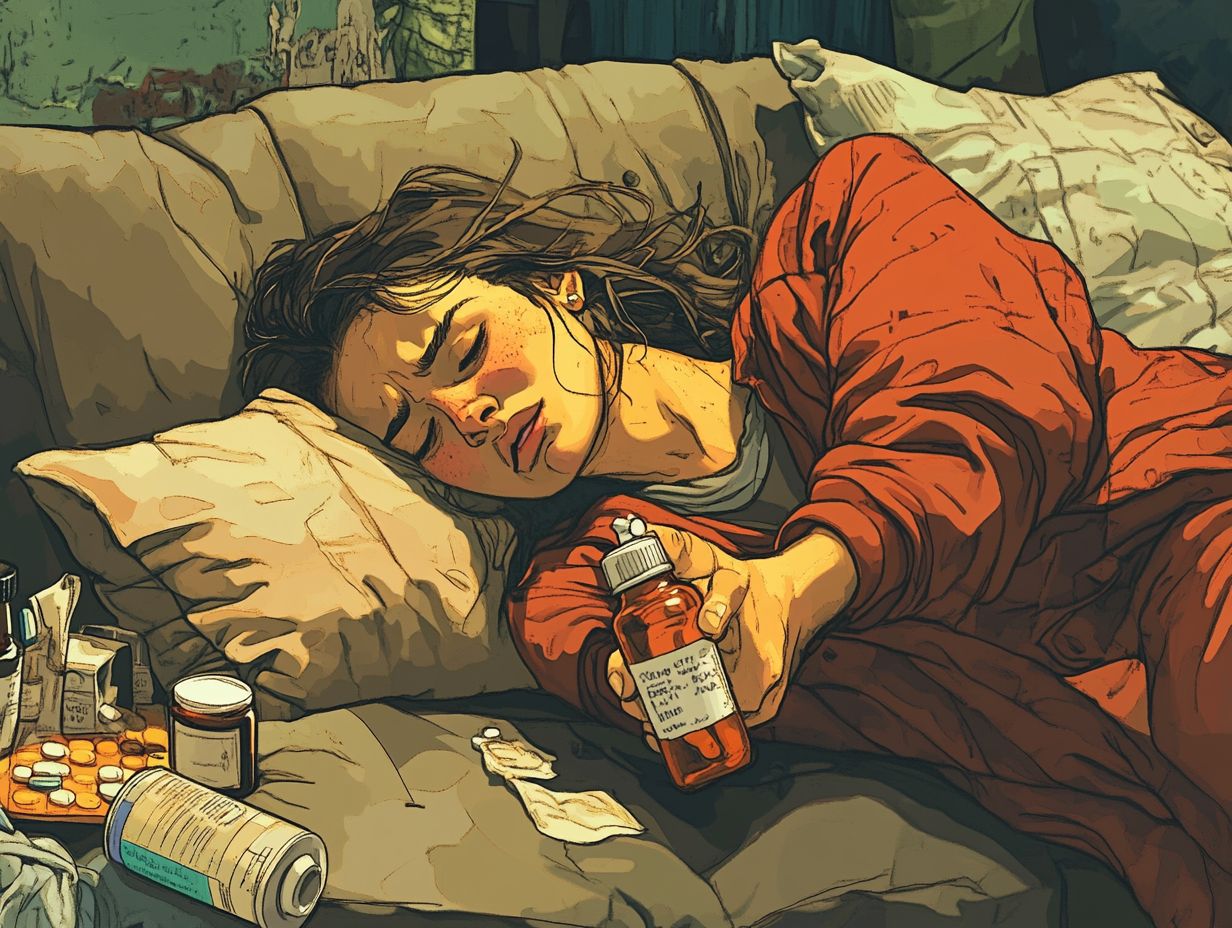
What Are the Signs of Treatment Fatigue?
Exploring Causes Like Anemia and Autoimmune Diseases
Treatment fatigue, which can be exacerbated by conditions such as anemia, hypothyroidism, and autoimmune diseases, refers to a decrease in motivation or energy to continue with a treatment plan. The signs of treatment fatigue can vary from person to person, but here are some common ones to look out for:
What are some physical signs of treatment fatigue?
Physical signs of treatment fatigue may include persistent fatigue, changes in appetite or weight, difficulty sleeping (insomnia), or frequent headaches or body aches. These symptoms might be related to underlying conditions like cardiovascular disease, lung disease, diabetes, or multiple sclerosis.
Can emotional changes be a sign of treatment fatigue?
Understanding Depression and Anxiety Symptoms
Yes, emotional changes can also be a sign of treatment fatigue. These may include feelings of hopelessness, irritability, mood swings, or a decrease in enjoyment of activities, and can often be linked to depression symptoms or anxiety symptoms.
What behaviors can indicate treatment fatigue?
Behaviors that may indicate treatment fatigue include procrastination, avoidance of treatment-related tasks, or not following through with treatment recommendations, which can significantly affect daily life and overall mental health.
Are there any cognitive signs of treatment fatigue?
Yes, cognitive signs of treatment fatigue may include difficulty concentrating, forgetfulness, or a decrease in decision-making abilities, often resembling symptoms seen in chronic fatigue syndrome and conditions like fibromyalgia.
How can I manage treatment fatigue?
Effective Fatigue Management Strategies
If you are experiencing treatment fatigue, it is important to communicate with your healthcare provider and discuss potential solutions. This conversation might include discussing palliative care options, potential vitamin deficiencies, or the need for new medical treatments. Adjusting your treatment plan, seeking support from loved ones, or incorporating self-care activities into your routine can also be beneficial.