The role of faith in cancer care is a vital aspect that encompasses emotional, spiritual, and community support for patients undergoing treatment. Faith and spirituality, alongside religiousness, offer strength and resilience, helping patients cope with diagnosis and therapy.
Integrating faith-based services into cancer care includes:
- Spiritual counseling as part of spiritual support services
- Group support
- Grief counseling
These services enhance the overall well-being and quality of life, addressing spiritual needs and emotional turmoil for individuals facing this challenging illness.
Healthcare providers can improve care by understanding the influence of faith on treatment preferences and coping mechanisms. Addressing ethical concerns, such as those surrounding racial disparities and existential questions, and providing culturally sensitive care ensures that patients’ spiritual needs are respected and incorporated into their treatment plans, fostering a holistic approach to cancer care.
Key Takeaways:
The Intersection of Faith and Cancer Care

The intersection of faith and cancer care involves integrating spiritual support into treatment for patients with advanced cancer.
Faith influences treatment preferences and coping mechanisms, impacting quality of life.
Cancer care providers can improve palliative care by understanding the role of religiousness and spiritual coping in patients’ lives.
Exploring the Relationship
The relationship between faith and cancer shows how spirituality can help patients cope with a life-threatening illness and navigate the healthcare system.
Faith provides emotional support and strength during cancer treatment through spiritual beliefs and community involvement.
This relationship influences patient experiences and perspectives, aiding in distress management.
The Power of Faith in Coping with Cancer
The power of faith helps cancer patients cope by providing emotional support and resilience during diagnosis and treatment.
Faith influences coping with cancer by offering hope, community support, and a sense of purpose.
Emotional and Spiritual Support
Emotional and spiritual support for cancer patients involves providing comfort and meeting emotional and spiritual needs during treatment.
Such support includes chaplains and religious communities that help patients cope with their diagnosis.
This approach promotes patient well-being by aligning care with personal beliefs and values.
Faith-Based Cancer Care Services
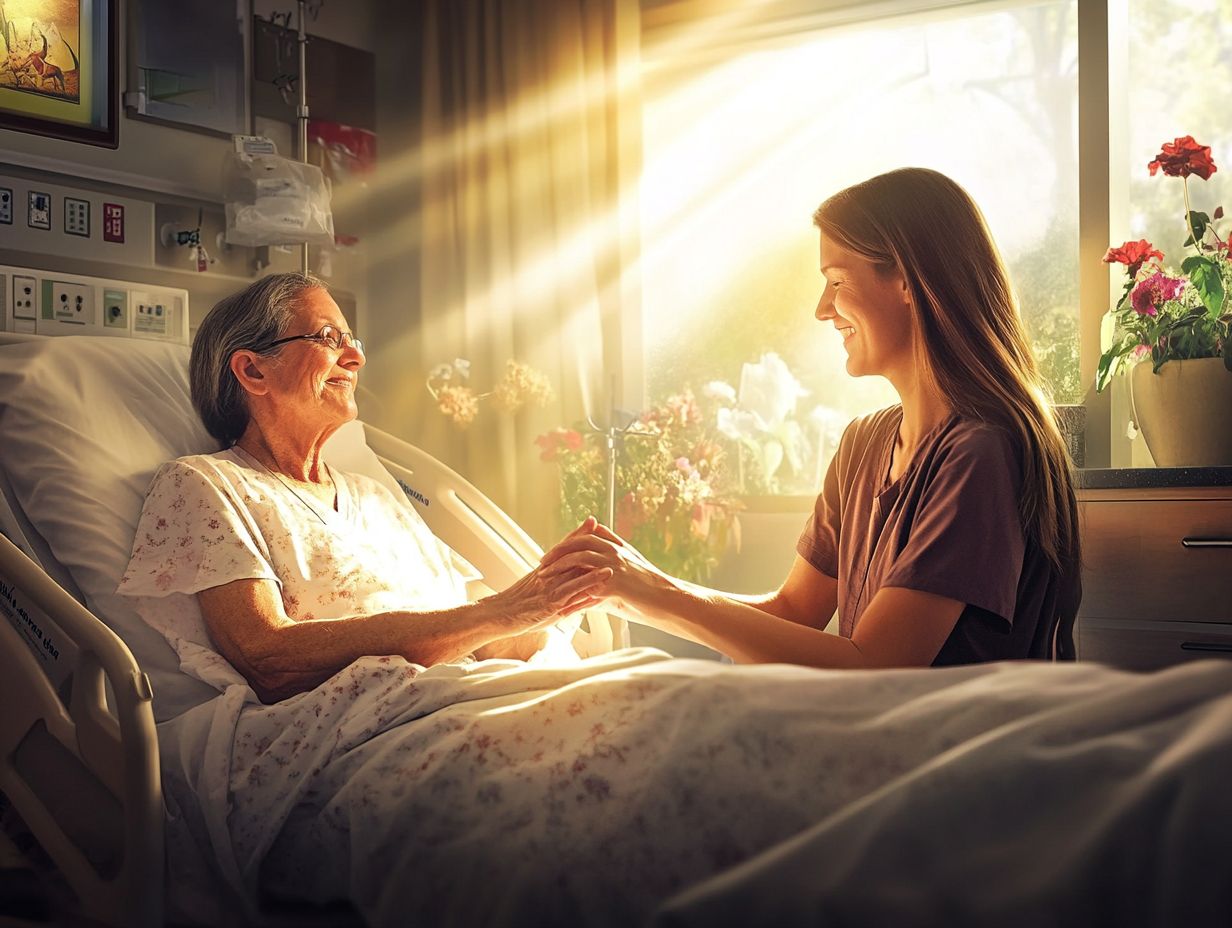
Faith-based cancer care services provide spiritual support and counseling for cancer patients and their families, integrating religious beliefs with medical treatment to address both spiritual and existential questions.
These services focus on spiritual healing and emotional well-being alongside conventional cancer care.
Types of Services Offered
Faith-based cancer care services include spiritual counseling, group support, and grief counseling tailored to cancer patients’ religious backgrounds.
- Group prayer sessions offer community and shared experiences.
- Grief counseling provides emotional processing and healing.
- Spiritual assessments help individuals reflect on beliefs during illness.
These services enhance patient care and aid in coping.
Challenges and Controversies Surrounding Faith in Cancer Care
Challenges and controversies surrounding faith in cancer care include differing beliefs about integrating spirituality into treatment, which can influence patient decisions and create tension in medical practice.
Faith’s role in cancer care can result in conflicts between medical advice and spiritual beliefs, affecting treatment adherence among patients from various racial backgrounds, including African Americans and Hispanics.
Addressing Ethical Concerns
Addressing ethical concerns in faith-based cancer care involves balancing spiritual needs with medical considerations to respect patients’ rights.
Ethical concerns include integrating spiritual care into treatment without compromising clinical integrity and ensuring informed consent.
Healthcare providers must address disparities in access to spiritual resources while maintaining clinical standards for comprehensive care.
Incorporating Faith into Cancer Treatment

Incorporating faith into cancer treatment involves integrating spiritual practices and beliefs into medical care plans to support patient well-being.
This process works through collaboration among healthcare providers, patients, and spiritual care teams, aligning medical treatment with individual faith-based needs and preferences, and addressing advanced care planning with elements like a living will.
Faith integration can include prayer, meditation, or religious rituals as part of the therapeutic process.
Integrating Faith into Medical Care
Integrating faith into medical care involves recognizing and addressing the spiritual needs of cancer patients to enhance treatment decisions.
This approach helps improve emotional and spiritual well-being alongside physical health.
Healthcare providers include spiritual discussions in care planning to align treatment with patients’ beliefs and values, which can increase patient satisfaction and resilience.
Supporting Patients of Different Faiths
Supporting patients of different faiths involves understanding and accommodating their spiritual needs within healthcare settings, especially during cancer care.
Effective support includes offering prayer facilities, respecting dietary restrictions, and providing access to spiritual advisors.
Healthcare providers must engage in cultural competency training to better understand diverse religious beliefs and practices.
Providing Culturally Sensitive Care
Providing culturally sensitive care involves recognizing and addressing the spiritual and cultural needs of patients, particularly cancer patients, to reduce healthcare disparities.
Culturally sensitive care works by training healthcare providers to understand diverse religious practices and beliefs.
This approach enhances patient satisfaction and adherence to treatment plans, improving health outcomes.
Frequently Asked Questions

What is the role of faith in cancer care?
Faith plays a crucial role in cancer care as it provides comfort, strength, and hope to patients and their loved ones facing a difficult journey, often facilitated by chaplain visits and religious activities.
How can faith help cancer patients cope with their diagnosis?
Faith can help cancer patients cope by providing them with a sense of purpose, resilience, and support system through prayer, meditation, and community.
Can faith improve cancer treatment outcomes?
While faith cannot cure cancer, it can improve treatment outcomes by reducing stress, promoting positive thinking, and enhancing overall well-being.
Is faith only important for patients, or does it also benefit caregivers and healthcare providers?
Faith is important for patients, caregivers, and healthcare providers as it helps them find inner strength and peace, fostering empathy and compassion towards others, and aiding in healing of spirit.
What role does faith play in end-of-life care for cancer patients?
Faith can provide solace and comfort to patients and their families during end-of-life care, helping them find meaning and acceptance in the face of difficult realities, often through spiritual care such as chaplain visits and private activities.
How can healthcare providers support patients’ faith during cancer care?
Healthcare providers can support patients’ faith by respecting their beliefs, incorporating spiritual care into treatment plans, and connecting them with faith-based resources and support groups.