Chemotherapy, a vital cancer treatment, uses drugs to target and destroy rapidly dividing cancer cells, offering hope to many patients. This comprehensive guide answers the top seven common questions about chemotherapy, including its mechanisms, types of cancer treated, and administration methods. Cancer patients typically receive chemotherapy treatment via infusion therapy or orally, with common side effects like nausea and fatigue.
Understanding how to manage side effects is crucial, as is awareness of potential long-term impacts such as cardiovascular issues and risks of infection. Chemotherapy’s role is often compared with alternative treatments like immunotherapy and clinical trials. Preparing for chemotherapy involves lifestyle adjustments, support networks, and financial considerations such as Medicare and Pharmaceutical Benefits Scheme, with costs varying based on treatment specifics.
Success rates depend on cancer type and stage, with emotional support being a key component of patient care. The care team, including medical professionals like Molly Adams and Ervin Brown, M.D., plays a critical role in addressing treatment needs.
By exploring these aspects, patients and their loved ones can better navigate the chemotherapy journey, making informed decisions and accessing the necessary support systems.
Key Takeaways:
1. What Is Chemotherapy and How Does It Work?
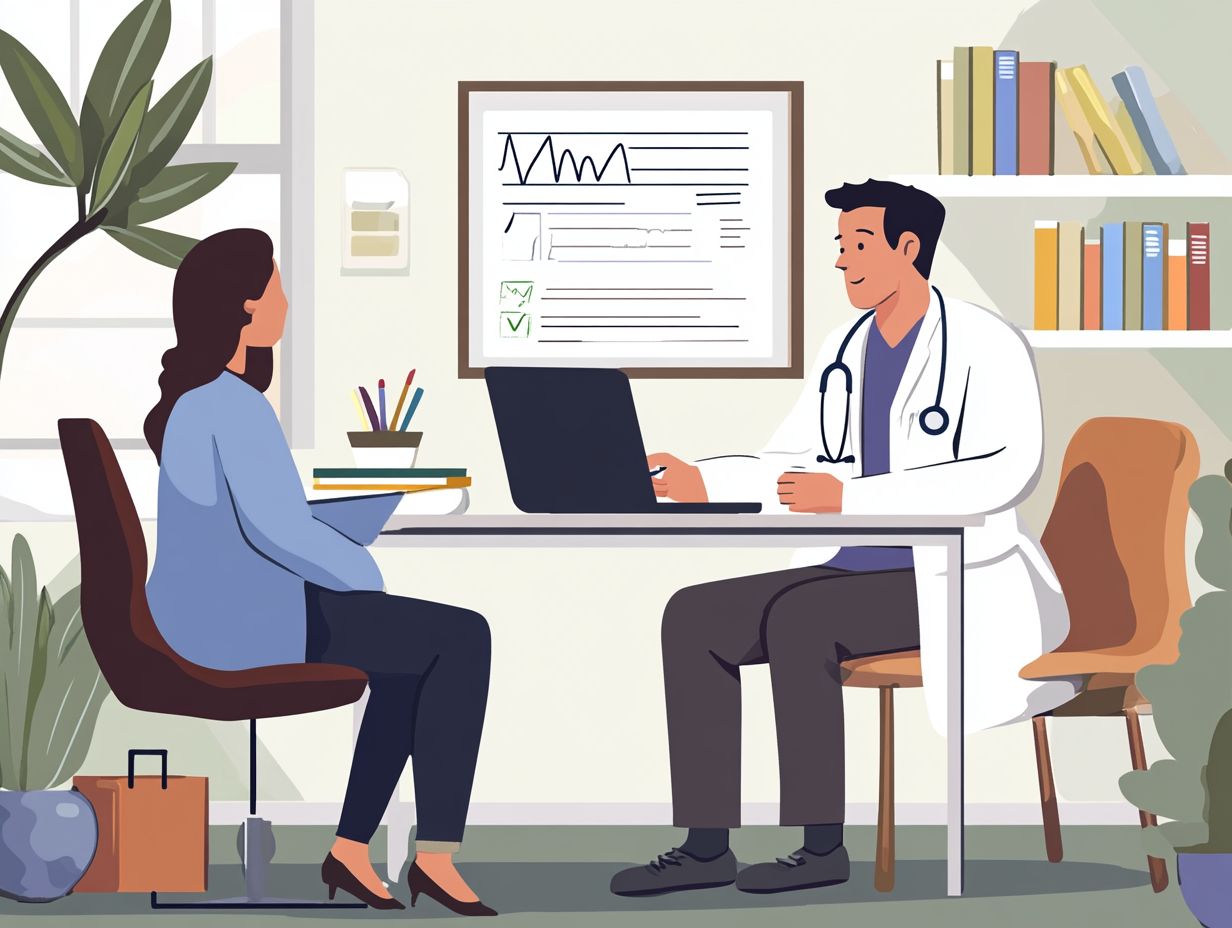
Chemotherapy is a treatment that uses drugs to destroy cancer cells by targeting rapidly dividing cells.
Chemotherapy works by administering drugs that damage cancer cell DNA or block cell division to stop growth and spread.
Common chemotherapy drug classes include:
- Alkylating agents
- Antimetabolites
- Taxanes
These classes are chosen based on cancer type.
2. What Types of Cancer Can Be Treated with Chemotherapy?
Chemotherapy treats various types of cancer, including solid tumors, such as lung and breast cancer, and hematologic malignancies like leukemia and lymphoma.
Chemotherapy is also used for specific gynecologic cancers, providing a personalized regimen based on tumor characteristics.
3. How Is Chemotherapy Administered?
Chemotherapy is administered through infusion therapy, using a central line or chemo port, and can also be taken orally with medication. Intravenous medication is often given in healthcare settings.
Intravenous chemotherapy involves delivering drugs directly into the bloodstream, often through a central venous access device like a PICC Line or using the superior vena cava, while oral chemotherapy is taken as pills or liquids at home.
Administration method depends on cancer type, treatment goals, patient comfort, and patient preference.
4. What Are the Common Side Effects of Chemotherapy?
Common side effects of chemotherapy include nausea, fatigue, hair loss, and neutropenia, which increases infection risk, as well as potential cardiovascular complications.
Chemotherapy side effects vary based on the type of chemotherapy drugs used and individual patient factors.
Management includes anti-nausea medications, antibiotics to address infections, and monitoring of white blood cell counts to address neutropenia, a condition linked to E. coli infections.
5. How Can One Manage the Side Effects of Chemotherapy?
Managing chemotherapy side effects involves using medications, lifestyle changes, and support from healthcare professionals.
Medical interventions, like antibiotics, address infections. Nutritional support through a balanced diet and hydration helps reduce fatigue.
Emotional support from mental health professionals and support groups assists in coping with treatment stress.
6. What Are the Long-Term Effects of Chemotherapy?
Long-term effects of chemotherapy include fatigue, cardiovascular complications, and risk of secondary cancers.
These effects result from the specific drugs used during treatment and can vary among patients.
Regular health check-ups and lifestyle modifications are recommended for managing these effects.
7. Are There Any Alternative Treatments to Chemotherapy?
Alternative treatments to chemotherapy include immunotherapy, targeted therapies, and clinical trials.
Immunotherapy boosts the immune system to fight cancer; targeted therapies aim at specific cancer cells for fewer side effects.
Patients should consult healthcare providers to evaluate the suitability of these alternatives for their specific condition.
What Should Someone Expect During Chemotherapy Treatment?
During chemotherapy treatment, expect drug-based treatment administration targeted at cancer cells, monitoring by medical staff, and potential side effects like fatigue, nausea, and hair loss. Diagnostic imaging and blood draws may also be part of the process.
Patients should prepare by discussing their treatment plan with healthcare providers, such as those from MD Anderson Cancer Center, and arranging support for post-treatment care, including oral sedation if needed.
How Does Chemotherapy Affect the Immune System?
Chemotherapy affects the immune system by reducing white blood cells, leading to neutropenia and increased infection risk. Vaccines, such as the HPV vaccine and hepatitis B vaccine, may be recommended by healthcare providers like Natalie Dailey Garnes, M.D., to help mitigate infection risks.
Chemotherapy disrupts the body’s ability to fight infections by targeting rapidly dividing cells, including immune cells, and requires careful monitoring and management by a healthcare provider.
What Are the Different Types of Chemotherapy Drugs?
Different types of chemotherapy drugs include:
- Alkylating agents
- Antimetabolites
- Plant alkaloids
- Topoisomerase inhibitors
Alkylating agents damage DNA to stop cancer cell multiplication.
Antimetabolites mimic DNA and RNA components to disrupt cell processes.
Plant alkaloids impair microtubule function, preventing cell division.
Topoisomerase inhibitors interfere with enzymes that separate DNA strands.
How Can One Prepare for Chemotherapy Treatment?
-
Preparing for chemotherapy involves consulting with medical professionals to discuss the treatment plan and necessary lifestyle adjustments.
-
Arrange transportation for treatment days, as driving may be difficult afterward.
-
Build a support network of friends and family for emotional and practical assistance.
-
Engage in relaxation techniques or counseling to manage anxiety.
-
Maintain a balanced diet and stay hydrated to cope with side effects.
What Are the Costs Associated with Chemotherapy?
Costs of chemotherapy include drug prices, administration fees, and additional expenses for supportive medications and tests.
Drug costs can range from hundreds to thousands EUR per cycle.
Administration fees apply during hospital or clinic visits.
Patients might incur extra costs for laboratory tests and hospitalizations due to side effects.
Financial aid options include grants from non-profits and patient assistance programs from pharmaceutical companies.
What Are the Success Rates of Chemotherapy?
Chemotherapy success rates vary widely based on cancer type and stage.
Lymphoma may have remission rates over 60% with chemotherapy, while pancreatic cancer success rates are around 10%.
Factors like age, health, and genetics affect chemotherapy outcomes.
What Are the Emotional and Psychological Effects of Chemotherapy?
Chemotherapy can cause emotional effects such as anxiety, depression, and altered body image in patients.
Psychological effects include fear of health outcomes and identity changes.
To manage these effects, healthcare providers should offer counseling, support groups, and mindfulness practices.
How Can One Support a Loved One Going Through Chemotherapy?
Supporting a loved one going through chemotherapy involves providing emotional support, assisting with daily tasks, and managing medical appointments.
Listen to their concerns, offer companionship, and help prepare meals to aid recovery.
Organize treatment schedules and transport to reduce stress.
Adapt support to meet evolving needs during their chemotherapy journey.
Frequently Asked Questions
What is chemotherapy and how does it work?
Chemotherapy is a cancer treatment that uses drugs to stop the growth and spread of cancer cells. These drugs can be given in different ways, such as through pills, injections, or IV drips. Chemotherapy works by targeting and killing fast-growing cancer cells in the body.
What types of cancer can be treated with chemotherapy?
Chemotherapy is commonly used to treat a variety of cancers, including leukemia, lymphoma, breast cancer, lung cancer, and ovarian cancer. The type of chemotherapy used will depend on the type and stage of cancer.
What are the common side effects of chemotherapy?
Chemotherapy can cause a range of side effects, including nausea, hair loss, fatigue, increased risk of infection, and changes in appetite. The severity and type of side effects can vary from person to person and can often be managed with medication or lifestyle changes.
How is chemotherapy administered?
Chemotherapy can be administered in different ways, such as through pills, injections, or IV drips. The method of administration will depend on the type of chemotherapy and individual needs. Some chemotherapy treatments may require multiple sessions or cycles over a period of weeks or months.
What should I expect during a chemotherapy session?
During a chemotherapy session, a healthcare professional will administer the drugs through the chosen method of administration. The duration of the session can vary from a few minutes to a few hours, depending on the type of chemotherapy. Some people may experience discomfort or side effects during the session, while others may not.
How can I manage the side effects of chemotherapy?
There are various ways to manage the side effects of chemotherapy, such as taking medication as prescribed, staying hydrated, eating a well-balanced diet, getting enough rest, and seeking support from loved ones or a support group. It is essential to communicate any concerns or discomfort with your healthcare team to find the best course of action for managing side effects.