Fostering healthy relationships is an integral part of cancer prevention, as strong social connections provide essential support that can reduce risk behaviors like tobacco use, excessive alcohol intake, and physical inactivity. By building and maintaining trust and effective communication strategies, individuals can more easily share and adopt preventive health measures.
Understanding the link between social interactions and health emphasizes the importance of supportive environments, which promote positive lifestyle behaviors such as regular screenings and healthy eating habits. Communities play a pivotal role in this process by offering resources like educational workshops, support groups, and health screenings, all of which contribute to reducing cancer risk and improving health outcomes.
Engaging in practical steps together, such as adopting a balanced diet and other healthy lifestyle behaviors, exercising, and avoiding harmful habits, not only strengthens relationships but also fosters a healthier lifestyle. By integrating these habits, individuals can create a supportive environment conducive to cancer prevention and improved health outcomes.
Key Takeaways:
The Importance of Healthy Relationships for Cancer Prevention

Healthy relationships are important for cancer prevention because they provide social support systems that help reduce risk behaviors like tobacco use, excessive alcohol consumption, and other unhealthy habits.
Strong relationships foster effective communication and trust, making it easier to share and adopt health interventions and preventive measures that lower cancer risk.
Understanding the Link Between Relationships and Health
Understanding the link between relationships and health is crucial for cancer prevention because social interactions influence health behaviors and lifestyle choices, which can affect cancer risk factors.
Supportive relationships promote positive lifestyle changes, such as regular screenings and healthy eating, while negative environments can lead to unhealthy behaviors, increasing cancer risk.
Social cognitive theories highlight that personal health decisions are shaped by social contexts.
Fostering health-oriented relationships can reduce cancer incidence and improve overall health outcomes.
Building and Maintaining Healthy Relationships
Building and maintaining healthy relationships involve effective communication, trust, and emotional support.
Healthy relationships help individuals feel connected and reduce stress.
Strong relationships promote a healthy lifestyle by discouraging unhealthy behaviors and fostering physical and mental well-being.
Communication and Trust
Effective communication and trust are key elements in building healthy relationships, especially in cancer prevention and health contexts. These communication strategies enhance emotional support and resilience.
Open dialogues foster an environment for sharing emotions and concerns, strengthening connections and acting as protective factors against emotional challenges of serious health issues.
Trust and communication promote resilience, encouraging partners to adopt health-positive behaviors and provide necessary emotional support during cancer journeys.
Support and Empathy

Support and empathy are crucial for cancer survivors by improving well-being and reducing emotional distress from treatment side effects.
Support involves creating an understanding community that aids survivors in managing psychological impacts.
Empathy fosters resilience, making it essential in the healing process by encouraging open dialogue and a sense of belonging.
The Role of Community in Cancer Prevention
Community plays a crucial role in cancer prevention by promoting healthy lifestyles through public policies and community programs, providing access to exercise classes, and encouraging nutritious food options.
Community efforts in cancer prevention help reduce health disparities, chronic diseases, and lower cancer risk within populations.
Creating a Supportive Community
Creating a supportive community involves providing access to resources like nutritional education, fitness programs, and mental health services to promote healthier lifestyles and reduce cancer risk and chronic illness.
Supportive communities rely on robust social networks that offer collaboration and motivation.
Community leaders and health care teams play a key role in organizing health education programs to raise awareness of preventive measures.
Community Resources for Cancer Prevention
Community resources for cancer prevention include educational workshops, support groups, health screenings, and communication about dietary guidelines and physical activity programs.
-
Educational workshops provide information on cancer risks, prevention techniques, and lifestyle changes.
-
Support groups offer shared experiences and coping strategies for individuals affected by cancer.
-
Health screenings assist in the early detection of cancer, enabling timely intervention.
These resources collectively help individuals make informed health choices and enhance overall well-being through behavioral synergies and social influence.
Practical Steps for Cancer Prevention in Relationships
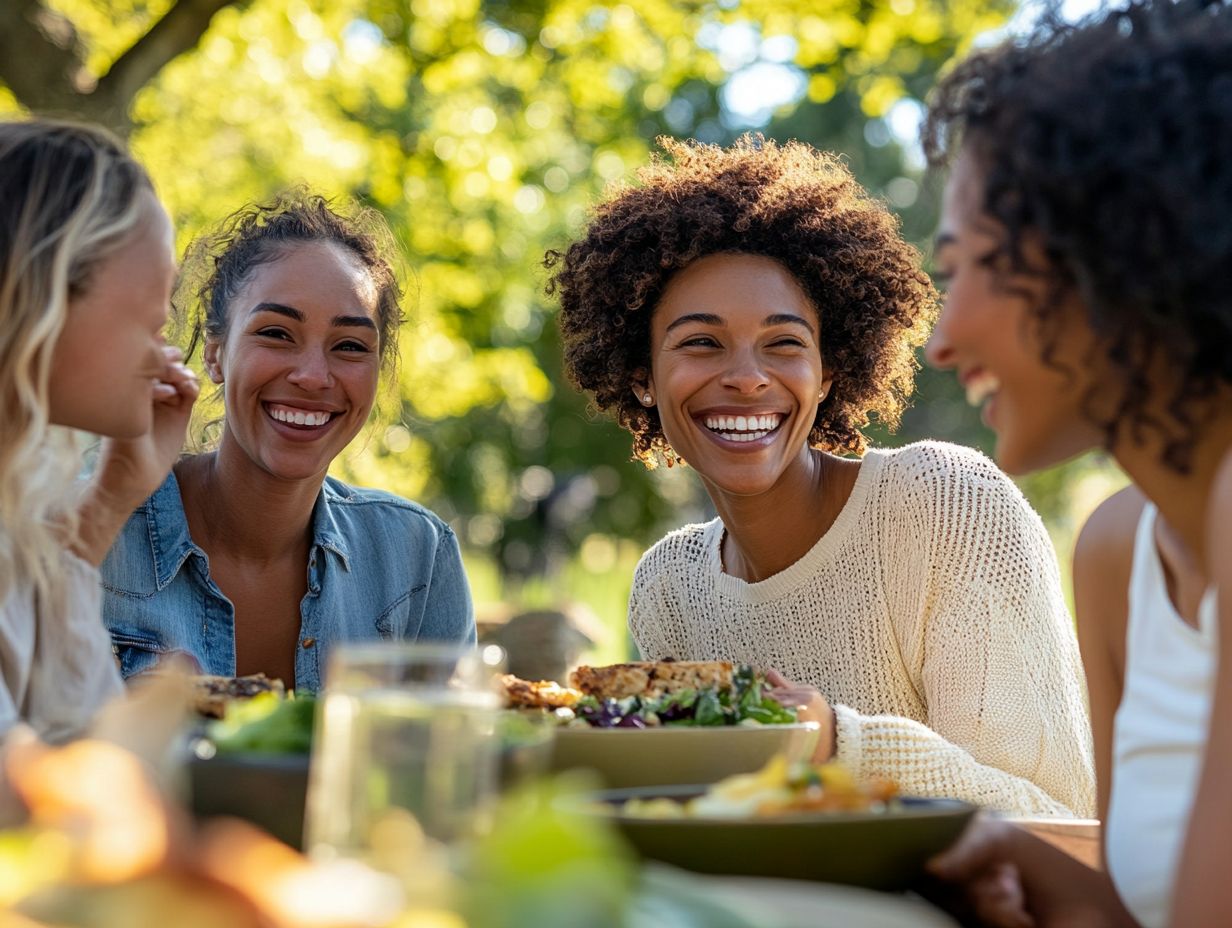
Practical steps for cancer prevention in relationships include:
- adopting a balanced diet with fruits and vegetables,
- scheduling regular health screenings,
- exercising together, and
- avoiding tobacco and excessive alcohol consumption.
Encouraging each other to maintain these habits strengthens bonds and promotes a healthy lifestyle, reducing the risk of cancer and other chronic illnesses.
Healthy Habits and Lifestyle Choices
Healthy habits and lifestyle choices are essential for cancer prevention and overall health.
Nutritious foods like fruits, vegetables, whole grains, and lean proteins contribute to well-being and reduce the risk of chronic diseases and cancer burden.
Regular physical activity, such as walking, yoga, and community sports, helps maintain a healthy weight, reduces cancer risk, and supports cardiovascular health.
Engaging in these habits builds a supportive environment for lifelong health.
Regular Health Screenings and Check-ups
Regular health screenings and check-ups involve routine medical examinations to detect potential health issues early, aiding in cancer prevention, risk assessment, and managing chronic diseases.
These check-ups enable individuals to monitor their health status and identify any changes promptly, supporting primary prevention and intervention strategies.
Frequently Asked Questions
1. What role do healthy relationships play in cancer prevention?

Healthy relationships can greatly reduce the risk of cancer by promoting a positive and supportive environment. Having a strong support system can also help individuals better cope with the stress and challenges that come with a cancer diagnosis.
2. How can I foster healthy relationships for cancer prevention?
You can foster healthy relationships by being open and honest with your loved ones, communicating effectively, and showing empathy and support for one another. It’s also important to maintain a healthy balance between giving and receiving in relationships.
3. Can unhealthy relationships increase the risk of cancer?
Yes, unhealthy relationships characterized by conflict, lack of support, and negative communication can increase stress and weaken the immune system, making individuals more susceptible to developing cancer.
4. Can having a strong social network help prevent cancer?
Yes, having strong and supportive relationships can help reduce stress and promote healthy behaviors, such as exercise and healthy eating, which can lower the risk of cancer.
5. How can I support a loved one who has been diagnosed with cancer?
You can support your loved one by being there for them, actively listening, and offering emotional support. It’s also important to respect their boundaries and involve them in decision-making processes regarding their treatment, considering patient advocacy and psychological interventions.
6. What can I do to maintain healthy relationships during a cancer diagnosis?
During a cancer diagnosis, it’s important to maintain open and honest communication, express gratitude and appreciation for your loved ones, and seek support from them when needed. It’s also important to prioritize self-care to ensure you have the emotional and physical capacity to maintain healthy relationships and cope with mental distress.