Early detection of skin cancer is crucial, offering numerous benefits that can significantly impact patient outcomes and overall well-being. Identifying skin cancer early allows for timely intervention, which can save lives, increase the chances of successful treatment, and enable less invasive treatment options. Monitoring and regular screening are key components in early diagnosis, especially for high-risk populations.
By catching skin cancer at an early stage, patients can benefit from:
- Higher Chances of Successful Treatment: Early detection enables treatment of localized tumors with higher survival rates, often through less invasive methods such as dermatoscopy and surgical excision.
- Less Invasive Treatment Options: Early-stage skin cancer treatments, like cryotherapy and topical therapies, are less invasive and offer quicker recovery.
- Lower Treatment Costs: Treating cancer early reduces the need for extensive and costly therapies.
- Reduced Risk of Complications: Early intervention helps prevent the cancer from metastasizing and causing severe health issues.
- Preventing Spread of Cancer: Timely detection can limit the spread of aggressive skin cancers.
- Increased Quality of Life: Early treatment reduces anxiety and allows patients to maintain daily activities and social interactions.
- Improved Prognosis: Early detection significantly increases survival rates and overall outcomes.
- Easier Treatment Process: Streamlined and less complex treatment plans improve recovery prospects.
- Peace of Mind: Regular screenings and early intervention reduce anxiety associated with potential late-stage treatment complications.
Understanding the importance of early detection and regular self-examinations can empower individuals to take proactive measures, enhancing their health and quality of life. Patient education and awareness about skin lesions and risk factors are essential in this regard.
Key Takeaways:
1. Early Detection Can Save Lives
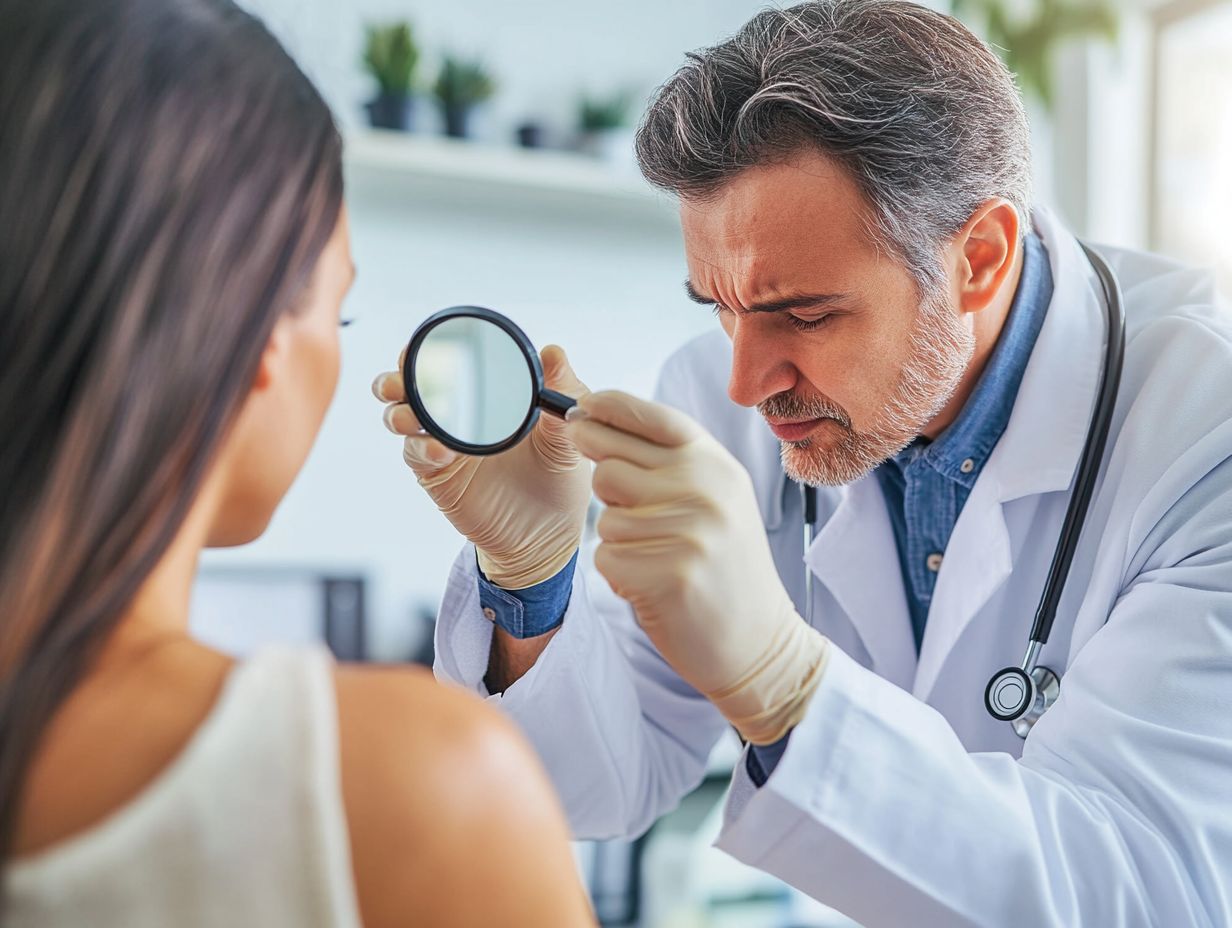
Early detection saves lives by allowing timely intervention and treatment of skin cancer.
Skin cancer types, like malignant melanoma, squamous cell carcinoma, and basal cell carcinoma, benefit from early diagnosis.
Regular self-examinations and education about skin cancer signs increase awareness and promote early detection.
Screening methods, including clinical exams and total body photography, improve early identification of potential issues.
2. Higher Chances of Successful Treatment
Early detection of skin cancer increases the chances of successful treatment by enabling treatment of localized, smaller tumors, often resulting in higher survival rates. Clinical examination and self-examination play vital roles in catching these early signs.
With early detection, treatment options such as surgical excision become more viable, with a five-year survival rate for localized melanoma reaching up to 99%.
3. Less Invasive Treatment Options
Less invasive treatment options for early-stage skin cancer include methods like cryotherapy and topical therapies. Techniques such as teledermatology and total body photography can assist in monitoring and follow-up of these treatments.
Cryotherapy uses freezing to remove abnormal cells, while topical treatments apply creams that target cancerous areas.
These treatments offer quicker recovery and improved cosmetic results compared to surgery.
4. Lower Treatment Costs
Lower treatment costs result from early detection of skin cancer, avoiding extensive and expensive therapies required for advanced stages. Early intervention can prevent complications associated with malignant melanoma and squamous cell carcinoma.
Treatment for late-stage skin cancer costs significantly more, often exceeding hundreds of thousands of dollars, while early-stage interventions are much cheaper.
Proactive screening and early intervention improve patient outcomes and reduce financial burden on the healthcare system.
5. Reduced Risk of Complications
Early detection of skin cancer reduces the risk of complications by ensuring treatment is less invasive and more effective. Regular monitoring using dermatoscopy and total body photography can help in identifying potential issues early on.
Advanced skin cancer, untreated, can metastasize and cause severe health issues.
Regular monitoring helps identify changes in lesions and detect new ones, preventing complications.
6. Early Detection Can Prevent Spread of Cancer
Early detection of skin cancer can prevent the spread of cancer, especially in aggressive forms like malignant melanoma and squamous cell carcinoma. Regular screenings and self-examination are particularly important for individuals with Fitzpatrick skin type I and II.
Detecting skin cancer early enhances treatment success rates by allowing timely intervention to limit metastasis.
Regular screening and self-examination for new or changing moles help in early identification, improving outcomes.
7. Increased Quality of Life
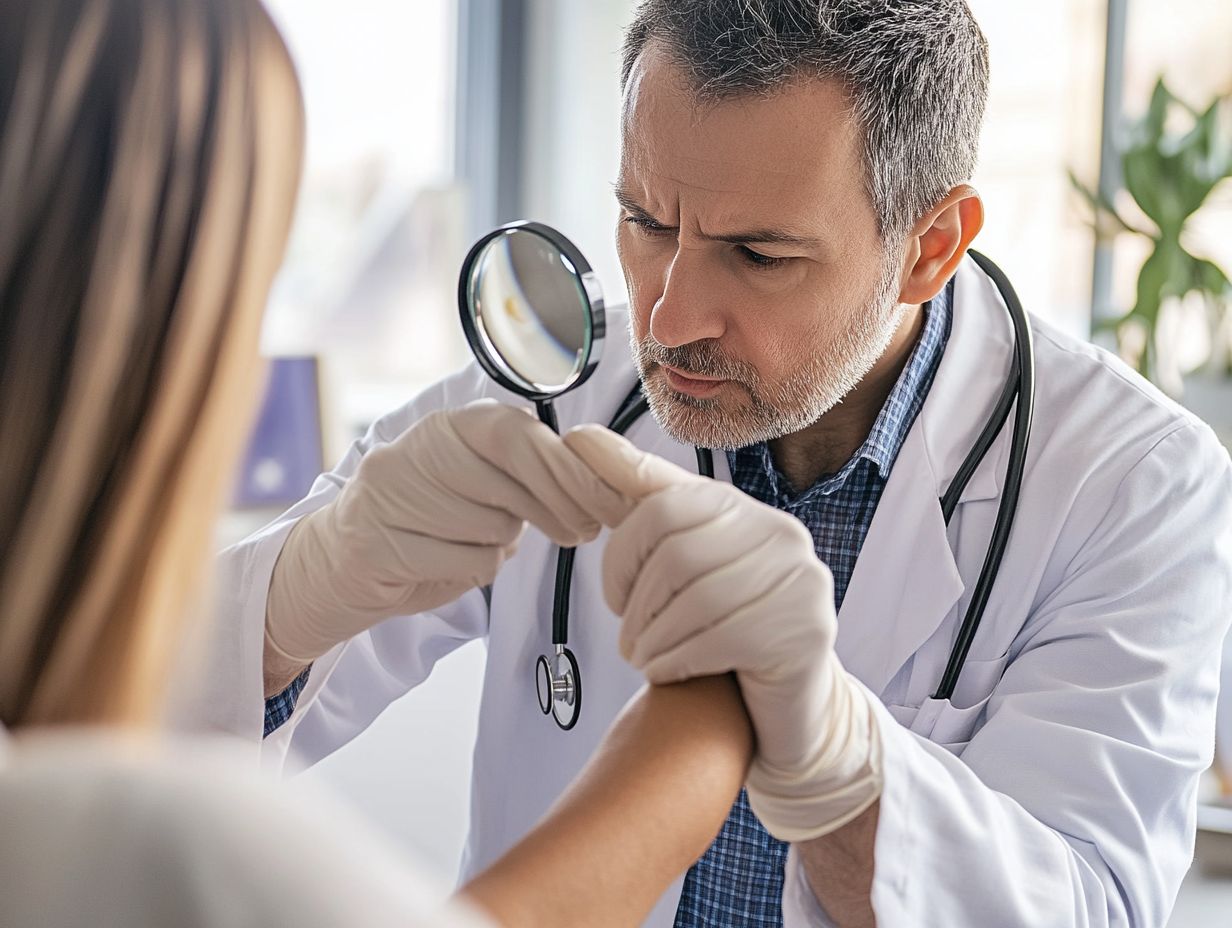
Increased quality of life is a major benefit of early detection of skin cancer.
Early detection allows patients to access treatment sooner, improving overall well-being and reducing anxiety and depression. This significantly mitigates the psychological impact on patients and their families.
Patients diagnosed early can maintain an active social life and continue their hobbies, enhancing daily functioning and happiness.
8. Improved Prognosis
Improved prognosis in skin cancer is a significant advantage of early detection. In cases of early detection, biomarkers like S100B protein and lactate dehydrogenase can be used to monitor disease progression.
Early detection leads to a five-year survival rate exceeding 90% for skin cancer patients compared to around 15% for advanced stages.
Regular screenings and skin checks are crucial for individuals with high risk factors like fair skin and a family history of skin cancer.
Proactive measures and timely interventions enhance survival rates and quality of life.
9. Easier Treatment Process
Early detection of skin cancer allows for an easier treatment process with streamlined intervention strategies. Artificial intelligence is increasingly being used in oncology to assist in diagnostic accuracy and treatment planning.
Early-stage skin cancer leads to a straightforward diagnosis and treatment plan, reducing patient anxiety and improving recovery prospects.
Healthcare professionals perform initial evaluations and diagnostic procedures, including biopsies, to confirm the diagnosis quickly.
Once confirmed, tailored treatment plans, such as topical therapies or surgical interventions, can be implemented promptly.
Teledermatology provides convenient access to specialists, enabling timely consultations and early treatment.
Patient education on skin health and self-examination encourages early help-seeking, smoothing the treatment process.
10. Peace of Mind
Early detection of skin cancer provides peace of mind by reducing the anxiety associated with undiagnosed skin lesions and potential late-stage treatment complications. Regular skin checks and patient education, supported by healthcare providers, enhance this reassurance.
Successful early treatment increases, alleviating worry.
Regular skin checks and self-examinations, supported by healthcare provider education, further enhance reassurance and give the power to patients in their healthcare journey.
What Are the Warning Signs of Skin Cancer?
The warning signs of skin cancer include changes in existing moles, such as alterations in color, shape, or size.
New skin lesions that are red, flaky, or unusual in appearance can also indicate skin cancer.
Symptoms of actinic keratosis, like rough, scaly patches that feel itchy or irritated, are additional warning signs.
Regular check-ups with healthcare providers can help detect skin cancer early. Members of the high-risk population, including those with genetic syndromes like melanoma-pancreatic carcinoma syndrome, should be particularly vigilant.
How Can One Perform Self-Examinations for Skin Cancer?
To perform self-examinations for skin cancer, check your entire body in a well-lit room with a full-length mirror. This method helps in early diagnosis and should be part of routine skin self-examinations.
Look for new moles, changes in size, shape, or color of existing moles, and any irritated or bleeding spots.
Pay attention to sun-exposed areas like the face, ears, and back of hands.
Use the ABCDE rule:
- Asymmetry
- Border irregularity
- Color changes
- Diameter larger than 6mm
- Evolving
Conduct self-examinations monthly and consult a healthcare provider if changes are noticed.
What Are the Recommended Screening Methods for Skin Cancer?
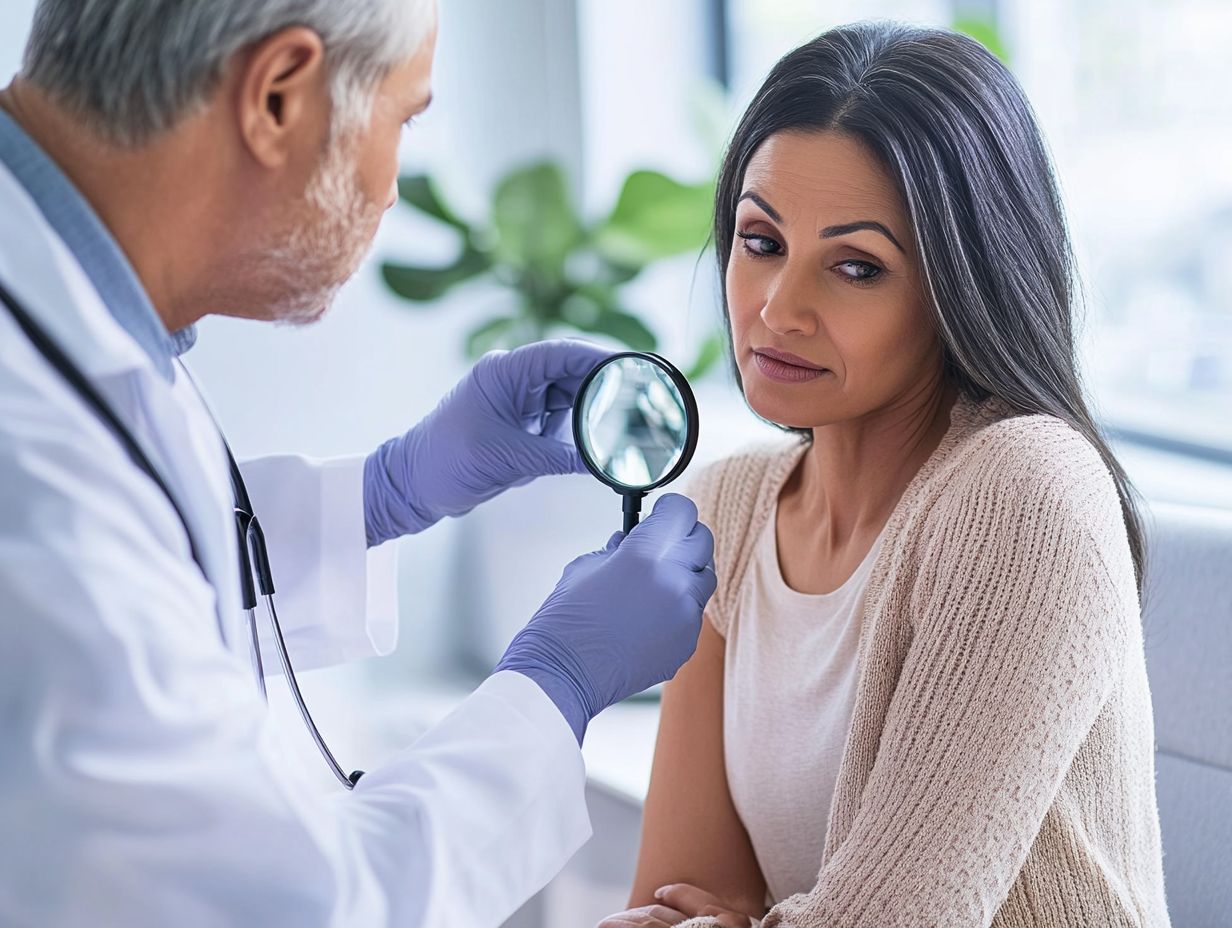
Recommended screening methods for skin cancer include:
- Dermatoscopy
- Total body photography
- Teledermatology
Dermatoscopy uses a magnifying tool to examine skin lesions for cancer detection. This technique is often employed in population screening and by members of the European Society for Medical Oncology.
Total body photography records comprehensive skin images for monitoring changes over time.
Teledermatology allows remote consultations with dermatologists, improving access to care.
Regular screenings are advised for high-risk individuals based on family history or skin type.
How Often Should One Get Screened for Skin Cancer?
Screening frequency for skin cancer depends on risk factors and skin type. General guidelines suggest annual skin cancer screenings for most adults, while high-risk individuals, such as those with fair skin or a family history of skin cancer, should consider screenings every 6 to 12 months.
What Are the Risk Factors for Developing Skin Cancer?
Risk factors for developing skin cancer include excessive sun exposure, use of tanning beds, and genetic predispositions. Individuals with a history of actinic keratosis or immunosuppression are also at a higher risk.
Individuals with fair skin (Fitzpatrick skin type I and II), a family history of skin cancer, or genetic syndromes face higher risks.
Additional risk factors include immunosuppression and a history of sunburn.
Behaviors like inadequate sun protection and failing to conduct regular skin checks further increase the risk of skin cancer.
How Can One Protect Themselves from Skin Cancer?
To protect oneself from skin cancer, the Health System recommends:
- Use a broad-spectrum sunscreen with an SPF of at least 30 and reapply every two hours.
- Wear protective clothing, such as long sleeves and wide-brimmed hats, to protect against actinic keratosis and other skin lesions.
- Avoid tanning beds.
Regular skin checks, including clinical examination and self-examination, along with community and patient education, also aid in skin cancer prevention.
What Are the Treatment Options for Skin Cancer?
Treatment options for skin cancer include surgical excision, radiation therapy, chemotherapy, immunotherapy, and the use of advanced imaging techniques like dermatoscopy.
Surgical excision removes cancerous tissue, effective for localized skin cancer. Radiation therapy uses targeted radiation to destroy cancer cells.
Chemotherapy involves drugs to kill or stop cancer cells from growing, suitable for advanced cases, such as malignant melanoma and squamous cell carcinoma. Immunotherapy boosts the immune system to fight cancer, often used in metastatic skin cancer.
How Can Early Detection Help with Treatment Planning?
Early detection of skin cancer, especially in high-risk populations, improves treatment planning by allowing healthcare providers to tailor interventions based on cancer type and stage, including basal cell carcinoma and squamous cell carcinoma.
Early diagnosis through methods like total body photography and teledermatology increases treatment options, enabling less invasive procedures with better outcomes and quicker recovery.
Regular monitoring after early diagnosis, potentially utilizing artificial intelligence and biomarkers like S100B protein and lactate dehydrogenase, ensures treatment effectiveness and necessary adjustments.
What Are the Long-Term Effects of Not Detecting Skin Cancer Early?
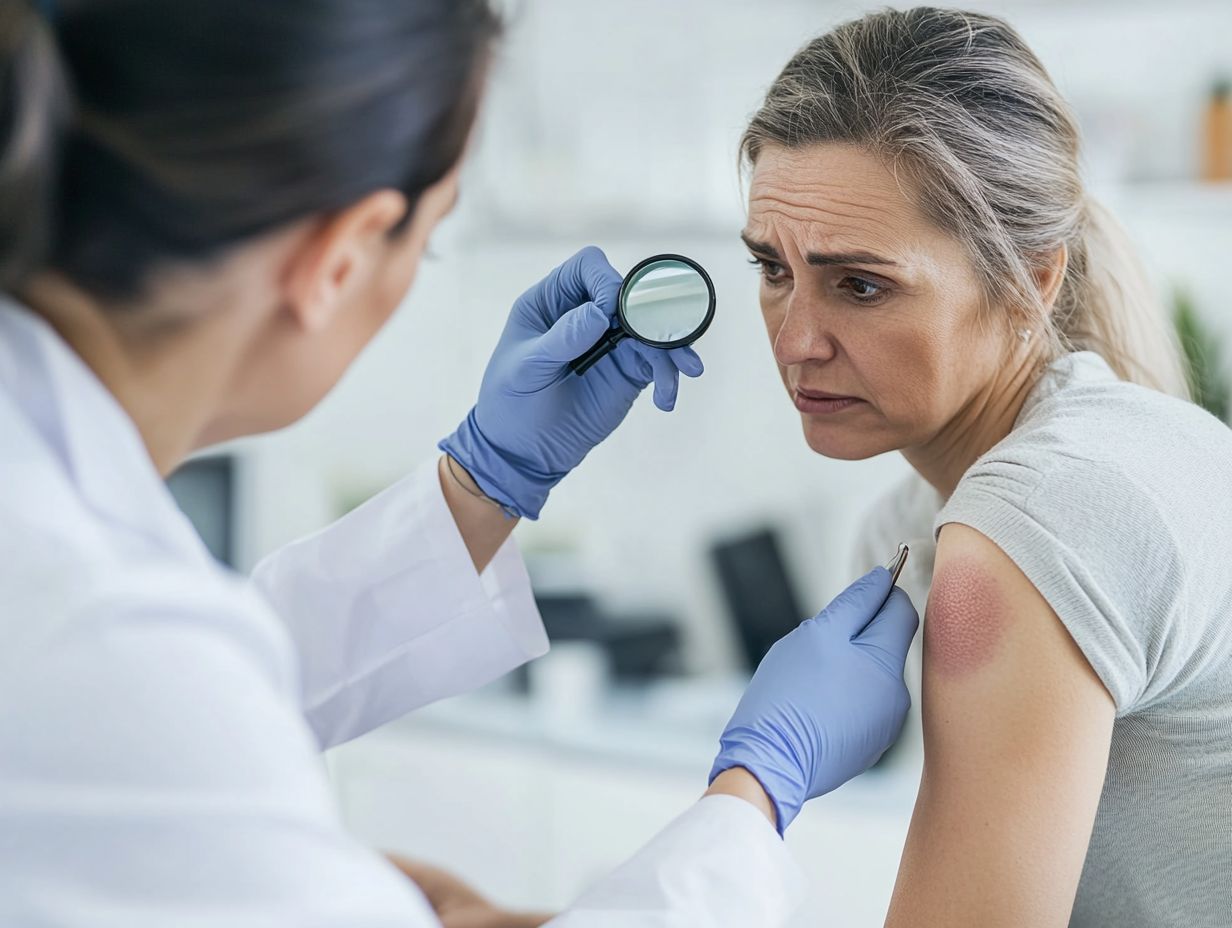
Not detecting skin cancer early increases the risk of complications, necessitates more aggressive treatment, and worsens prognosis even in cases of genetic syndromes like melanoma-pancreatic carcinoma syndrome.
Delayed detection can lead to cancer spreading to other organs, reducing survival rates significantly.
Skin cancer, if untreated early, may require extensive surgery and therapies with long recovery times.
How Can One Support Early Detection Efforts for Skin Cancer?
Support early detection of skin cancer by promoting education on skin cancer signs, organizing free skin checks, and advocating for policy changes to include insurance coverage for preventive care, especially within the Health System.
Collaborate with healthcare providers, including the European Society for Medical Oncology, to offer accessible screenings and raise awareness through community events and informational resources.
Frequently Asked Questions
What Are the Benefits of Early Detection for Skin Cancer?
Early detection of skin cancer can greatly increase the chances of successful treatment and a positive outcome.
How does early detection of skin cancer benefit me?
Detecting skin cancer early through skin self-examinations and population screening can lead to less invasive treatment options and potentially avoid the need for surgery.
What are the long-term benefits of early detection for skin cancer?
Early detection can prevent the spread of skin cancer to other parts of the body, potentially saving a person’s life.
What role does self-examination play in early detection of skin cancer?
Regularly examining your skin for any changes or abnormalities can help catch skin cancer in its early stages.
Are there any specific risk factors that make early detection of skin cancer even more important?
Individuals with a family history of skin cancer, fair skin, Fitzpatrick skin type I or II, or a history of excessive sun exposure are especially encouraged to seek early detection and treatment for skin cancer to mitigate psychological impact and risk.
What resources are available for early detection of skin cancer?
There are various screening methods for skin cancer, including self-examination, professional skin checks, advanced imaging techniques like dermoscopy, and teledermatology, especially beneficial for those with immunosuppression or in remote areas.