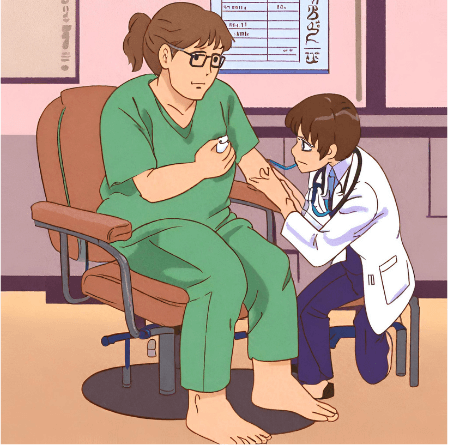
Your routine blood test might be doing more than you realize—especially when it comes to detecting cancer early. The Complete Blood Count (CBC) test, a common and straightforward blood test, provides vital clues about your health by measuring different types of blood cells. Changes in these cells can hint at cancer or other serious conditions even before symptoms appear. Understanding your CBC results and discussing them with your doctor could be a critical step toward timely diagnosis and effective treatment.
What Is a Complete Blood Count (CBC) and Why Does It Matter?
A CBC measures key elements in your blood: red blood cells, white blood cells, hemoglobin, hematocrit, and platelets. Each of these plays a unique role in keeping your body healthy, and abnormalities in their numbers can be an early sign of cancer or indicate how well cancer treatments are working. For example, low red blood cells (anemia) might suggest internal bleeding or bone marrow problems, while unusual white blood cell counts can point to infections or blood cancers such as leukemia.
How Does the CBC Help Detect and Monitor Cancer?
Doctors often use CBC results as an initial screening tool. While a CBC by itself cannot diagnose cancer, certain patterns—like persistently low or high blood cell counts—can raise suspicions that prompt further testing. For instance, if your CBC shows anemia without an obvious cause, your doctor might investigate for gastrointestinal cancers that could cause bleeding. During cancer treatment, regular CBCs help monitor how therapies are affecting blood cells and whether adjustments are needed to reduce side effects.
What Should You Know About Your CBC Results?
If you have a family history of cancer or other risk factors, regular CBC tests could help catch early warning signs. When you get your results, keep these points in mind:
- Red Blood Cells (RBCs): Low levels may cause fatigue and could indicate anemia related to cancer.
- White Blood Cells (WBCs): High or low counts might suggest infections or blood cancers.
- Platelets: Abnormal levels can affect blood clotting and may be influenced by cancer or its treatment.
- Hemoglobin and Hematocrit: These measure oxygen-carrying capacity; changes can point to anemia or other conditions.

Always review your results with your healthcare provider, who can interpret the findings based on your overall health and recommend any necessary follow-up tests.
Advances in CBC Testing
Thanks to technology improvements, CBC tests are faster and more precise than ever before. Some labs now use automated systems and artificial intelligence to detect subtle abnormalities that could indicate early cancer changes. Such advancements help doctors make better-informed decisions about when to investigate further, potentially improving early detection rates.
Practical Tips for Using CBC to Support Your Health
- Include CBC tests in your routine health check-ups, especially if you have known cancer risks.
- Maintain a balanced diet and regular exercise to support healthy blood cell production.
- Ask your doctor to explain any abnormal results and what they might mean for your health.
Questions You Can Ask Your Doctor About CBC Results
- What do my CBC results reveal about my overall health?
- Are there signs in my blood counts that warrant further cancer screening?
- What additional tests or referrals do you recommend based on my CBC?

Additional Resources
For more information on the role of blood tests in cancer detection and care, you can visit trusted resources like the National Cancer Institute, the Mayo Clinic, and Cancer Research UK.
Conclusion
Remember, the CBC is a powerful tool in your health toolkit. By understanding it and working closely with your healthcare team, you can take proactive steps to detect cancer early and manage your health effectively.
Frequently Asked Questions (FAQs)
1. Can a normal CBC completely rule out cancer?
No, a normal CBC doesn’t guarantee you don’t have cancer. It’s one piece of the puzzle; further tests might be necessary depending on symptoms and risk factors.
2. How often should I get a CBC if I have a family history of cancer?
Discuss with your doctor, but many recommend regular CBC screenings as part of routine check-ups, especially if you have specific cancer risks.
3. What symptoms might lead my doctor to order a CBC for cancer investigation?
Symptoms like unexplained fatigue, frequent infections, easy bruising, or bleeding might prompt a CBC to check for blood-related issues or cancer.
4. What if my CBC shows abnormal results but I feel fine?
Follow up with your healthcare provider. Abnormal results can have many causes, some benign, but they may also warrant further investigation to rule out serious conditions.
5. Can lifestyle changes improve my CBC results?
Yes, maintaining a healthy diet, staying active, and avoiding smoking can support healthy blood cell production and overall well-being.
Taking charge of your health starts with understanding tests like the CBC — don’t hesitate to ask questions and stay informed.