If you or someone close to you is facing prostate cancer, it’s important to know that treatment options have advanced tremendously—especially in the field of radiotherapy. This type of treatment now offers a precise, noninvasive way to target cancer cells while sparing healthy tissue, improving both survival rates and quality of life. Understanding how your prostate functions, recognizing symptoms early, and learning about the latest radiotherapy techniques can empower you to make informed decisions alongside your healthcare team.
Understanding Prostate Cancer and the Role of the Prostate
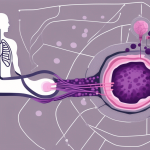
The prostate is a small, walnut-sized gland located just below the bladder, playing a vital role in producing seminal fluid that nourishes sperm. Prostate cancer starts when cells in this gland begin to grow uncontrollably, forming a tumor. While early stages often show no symptoms, as the disease advances, you might experience difficulty urinating, frequent nighttime urination, or pelvic discomfort. Factors like age, family history, and ethnicity can increase your risk, which is why regular screenings—such as prostate-specific antigen (PSA) tests and digital rectal exams (DRE)—are essential for early detection. To learn more about prostate health and screening, you can visit the American Cancer Society’s prostate cancer page.
How Radiotherapy Has Evolved to Improve Treatment
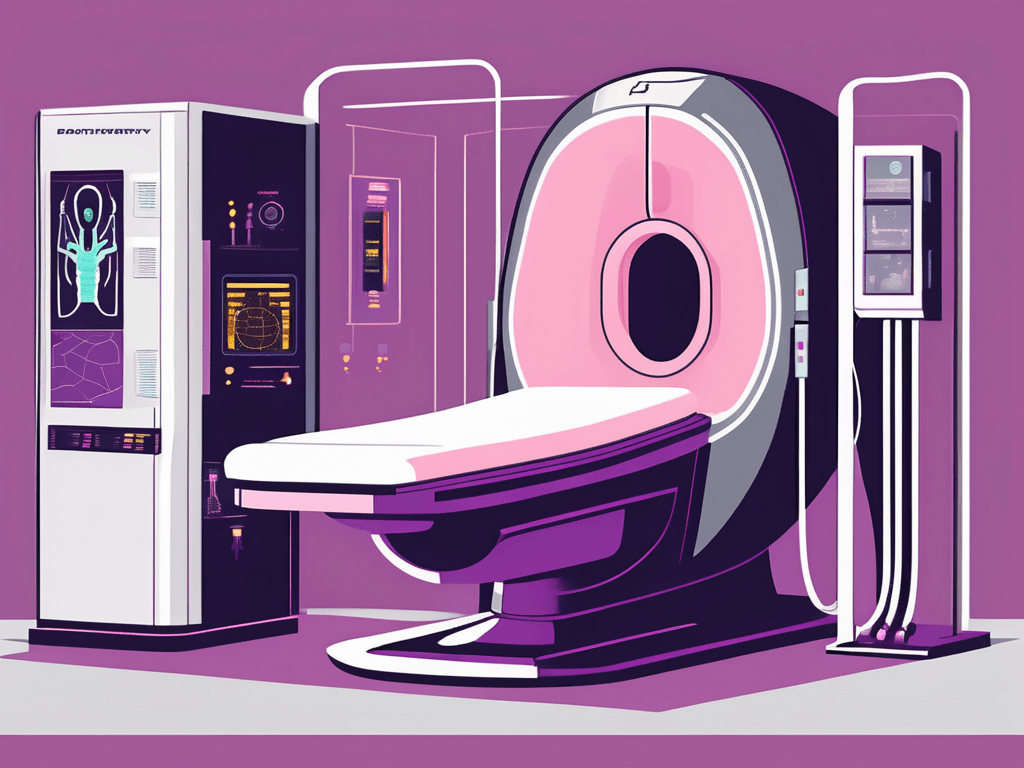
Radiotherapy has come a long way from its early days when external beam radiation therapy sometimes harmed healthy tissue surrounding the prostate, causing side effects. Today, thanks to advances like intensity-modulated radiation therapy (IMRT) and image-guided radiation therapy (IGRT), radiation can be delivered with exceptional precision. IMRT tailors the radiation dose to the unique shape of the tumor, while IGRT uses real-time imaging to track and adjust for any movement during treatment, protecting nearby organs.
Understanding Radiotherapy: How It Works and What to Expect
Radiotherapy treats cancer by damaging the DNA of cancer cells, preventing them from multiplying. It can be delivered externally, using focused beams targeted at the tumor, or internally through brachytherapy, where radioactive materials are placed close to or inside the tumor. Before your treatment begins, your care team will perform detailed imaging scans and simulations to map the exact location of your cancer. Treatments are usually painless, take just a few minutes, and occur over several sessions depending on your individual treatment plan. For a patient-friendly overview of radiotherapy, the Mayo Clinic’s radiotherapy page offers helpful insights.
Effectiveness of Radiotherapy for Prostate Cancer
Radiotherapy offers excellent long-term control of prostate cancer, especially in localized or locally advanced stages. Studies have shown high survival rates and maintained quality of life with this approach. However, factors like the cancer’s stage, your overall health, and your adherence to treatment influence outcomes. Your healthcare provider will tailor the treatment plan specifically for you, addressing all these factors. Keeping an open dialogue about your symptoms and concerns will help optimize your care.
Comparing Radiotherapy with Surgery and Hormone Therapy
Surgery to remove the prostate, called radical prostatectomy, is another common treatment but carries risks like incontinence or erectile dysfunction. Radiotherapy, being noninvasive, usually allows a quicker recovery and fewer immediate risks. Often, hormone therapy—which lowers testosterone that can fuel prostate cancer growth—is combined with radiotherapy to improve results, particularly if the cancer has spread. Your doctor can help you weigh the benefits and side effects of each option to find what’s best for you.
Making Informed Decisions and Next Steps
Facing prostate cancer can be overwhelming, yet understanding your options can give you confidence and control. Radiotherapy’s advancements have transformed it into a safe, effective, and patient-friendly treatment that many men benefit from. If you suspect symptoms or have been diagnosed, consult with your healthcare provider to discuss whether radiotherapy—or a combination of treatments—is the right choice for you. Resources like the National Cancer Institute’s prostate cancer information can also support your journey with trustworthy facts and guidance.
FAQs About Radiotherapy for Prostate Cancer
Q: Is radiotherapy painful?
Radiotherapy sessions are generally painless. You will lie still while the machine delivers targeted radiation over a few minutes per session.
Q: How long does radiotherapy treatment for prostate cancer take?
Treatment typically spans several weeks, with daily sessions from Monday to Friday. The exact length depends on your specific treatment plan.
Q: What are common side effects of radiotherapy?
Some men experience fatigue, urinary symptoms like burning or frequency, or bowel changes. Side effects are usually manageable and often improve after treatment ends.
Q: Can radiotherapy cure prostate cancer?
Radiotherapy has a high success rate, especially for early-stage prostate cancer. Your doctor will discuss how effective it can be based on your unique case.
Q: Will radiotherapy affect my sexual function?
Radiotherapy may impact erectile function, but risks vary. Treatments have become more precise to minimize this, and there are options to manage side effects.
Remember, your healthcare team is your best resource to provide personalized information and support tailored to your needs on this journey.