If you or a loved one is facing a diagnosis of prostate cancer, you may be wondering whether radical prostatectomy is the right treatment choice. This surgery involves removing the entire prostate gland to eliminate cancer cells and offers a chance for a cancer-free future. However, making this decision means balancing the potential benefits—such as complete cancer removal and improved symptoms—with possible risks like urinary incontinence and changes in sexual function. Understanding the procedure, recovery process, and how it might affect your quality of life can empower you to make informed decisions alongside your healthcare team.
What Is Radical Prostatectomy?
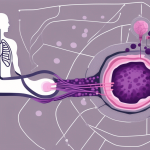
Radical prostatectomy is a surgery to remove the prostate gland and some surrounding tissues, primarily used to treat prostate cancer that has not spread beyond the prostate. The prostate is the organ that produces seminal fluid, and removing it can help get rid of cancer cells and reduce the chance the cancer will return or spread.
A skilled urologic surgeon performs the operation, which can be done through various approaches: open surgery with a larger incision, laparoscopic surgery using small cuts, or robotic-assisted surgery that offers precision. Regardless of technique, the main goal is to completely remove cancer from your body.
Understanding the Surgery Experience
Before surgery, your medical team will order tests like biopsies and imaging scans to understand your cancer better. This information helps determine the best surgical approach. On surgery day, you will be under anesthesia, ensuring you feel no pain throughout the procedure.
Depending on your circumstances, the surgeon may make an incision in your lower abdomen or the area between the anus and scrotum (perineum) to remove the prostate. They carefully work to avoid damaging nearby nerves that control sexual function and continence, although some impact can still occur.
In some cases, lymph nodes near the prostate will be removed and examined to see if cancer has spread, which helps guide further treatment decisions.
Hospital stays generally last from a few days to a week, followed by a recovery period at home. Your healthcare team will guide you on pain management, wound care, diet, and physical activity as you heal.
Benefits of Radical Prostatectomy
- High Chance of Cancer Removal: This surgery aims to remove all cancer cells when the disease is confined to the prostate, potentially eliminating the need for additional therapies like radiation or hormone treatment.
- Lower Risk of Recurrence: Removing the prostate reduces the likelihood that cancer will return, though regular follow-up with prostate-specific antigen (PSA) blood tests is critical to catch any signs early.
- Symptom Relief and Better Quality of Life: For men experiencing urinary problems or pelvic discomfort due to an enlarged prostate or cancer, surgery can bring significant relief. Many patients report improved urinary control and a decrease in cancer-related anxiety, contributing to better emotional well-being.
Potential Risks and Complications
While radical prostatectomy can be life-changing, it is major surgery and carries risks:
- Short-Term Risks: These include bleeding, infections, blood clots, damage to nearby tissues or nerves, and reactions to anesthesia. Surgeons take precautions to minimize these risks.
- Long-Term Effects: Some men face challenges like urinary incontinence (leakage) and erectile dysfunction because nerves controlling these functions can be affected. Advances in nerve-sparing techniques have reduced these issues, and rehabilitation therapies are available to support recovery.
- Emotional Impact: Surgery and its side effects can affect self-esteem and mental health. It’s normal to feel a range of emotions, and support from counselors, support groups, and loved ones can be very helpful.
Making the Best Decision for You
Deciding on radical prostatectomy depends on many personal factors: your age, overall health, cancer stage, potential side effects, and life goals. You should discuss all concerns with your healthcare provider, ask detailed questions, and consider a second opinion if needed. Talking openly with your loved ones may also provide emotional support and help clarify your preferences.
Your Recovery Journey
Recovery time varies, but following your doctor’s instructions is crucial. Physical rehabilitation, including pelvic floor exercises, can improve urinary control. Emotional recovery is equally important—seek support when needed and know that many men regain normal daily activities after healing.
Remember, your treatment plan should be tailored to fit your unique needs, and staying informed helps you play an active role in your health decisions.
Frequently Asked Questions
1. How long does it take to recover from radical prostatectomy?
Most men spend a few days in the hospital and experience a recovery period of several weeks to a few months. Full recovery, including regaining urinary control and sexual function, can take up to a year. Your healthcare team will provide personalized guidance.
2. Will I experience incontinence or erectile dysfunction after surgery?
Some men do experience temporary or long-term urinary leakage and erectile dysfunction. Use of nerve-sparing surgical techniques has reduced these risks. Rehabilitation therapies and medications are available to help manage these side effects.
3. How is cancer recurrence monitored after surgery?
Doctors regularly check PSA blood levels after surgery. Rising PSA can signal recurrence, prompting further evaluation and treatment. Staying consistent with follow-up appointments is essential.
4. Are there alternatives to radical prostatectomy?
Yes, depending on your cancer’s stage and aggressiveness, options may include radiation therapy, active surveillance (monitoring), or hormone therapy. Your doctor can help determine the best choice for you.
5. Where can I learn more about radical prostatectomy and prostate cancer?
Reliable resources include the National Cancer Institute, the Mayo Clinic’s Prostate Cancer Guide, and Cancer Research UK. These sites offer comprehensive, patient-friendly information.