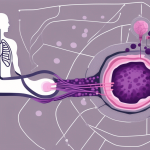
Prostate cancer affects millions of men worldwide, making it essential to understand its symptoms, diagnosis, and treatment options. Recent advances have introduced innovative therapies like Pluvicto, a targeted treatment showing promising results for advanced cases. This guide will help you understand what prostate cancer is, how it’s diagnosed, the range of traditional and newer treatments available, and how Pluvicto may offer renewed hope for men facing this disease.
Understanding Prostate Cancer
Prostate cancer begins when abnormal cells grow uncontrollably in the prostate gland—a small, walnut-shaped organ below the bladder that produces seminal fluid important for reproduction. It is one of the most common cancers in men, with about 1 in 8 men being diagnosed during their lifetime. While the exact cause remains unclear, risk factors include age (most common in men over 50), family history, race (more prevalent in African American men), and certain genetic mutations.
In the early stages, prostate cancer often shows no symptoms, which is why regular screening is crucial. When symptoms do appear, they may include frequent urination, difficulty starting or stopping urine flow, blood in urine or semen, and erectile dysfunction. If you notice any of these signs or have risk factors, it’s important to talk with your healthcare provider.
How is Prostate Cancer Diagnosed?
Diagnosis usually begins with a combination of tests:
- Prostate-Specific Antigen (PSA) Test: A blood test measuring PSA protein levels; elevated PSA may suggest prostate cancer but can also be caused by benign conditions like infections or enlarged prostate.
- Digital Rectal Exam (DRE): A physical exam where a doctor feels the prostate gland through the rectum to detect abnormalities.
- Imaging Tests: Ultrasound or MRI scans help locate suspicious areas and evaluate cancer spread.
- Biopsy: If initial tests suggest cancer, a biopsy involves removing a small tissue sample from the prostate for microscopic examination.
These assessments help determine the cancer’s stage—how far it has spread—which guides treatment decisions. For detailed information on diagnostic procedures, you can visit the National Cancer Institute’s prostate cancer page.
Traditional Treatment Options for Prostate Cancer
Treatment depends on cancer stage, overall health, and patient preference. Common options include:
- Surgery (Prostatectomy): Removal of the prostate gland and surrounding tissues.
- Radiation Therapy: Using high-energy X-rays to kill cancer cells.
- Hormone Therapy: Blocking male hormones that fuel cancer growth.
- Chemotherapy: Drugs that kill cancer cells throughout the body.
While these treatments can be effective, they may cause side effects such as urinary problems, erectile dysfunction, fatigue, and others, depending on the approach. Discussing these with your doctor helps balance effectiveness and quality of life.
For more on treatment guidelines, the NCCN Prostate Cancer Guidelines offers expert recommendations.
Introducing Pluvicto: An Innovative Targeted Therapy
For men with advanced prostate cancer that no longer responds to hormone therapy (metastatic castration-resistant prostate cancer, or mCRPC), Pluvicto offers a new option. Approved for patients whose cancer expresses Prostate-Specific Membrane Antigen (PSMA), Pluvicto is a radioligand therapy combining a radioactive substance (lutetium-177) with a molecule that specifically seeks out PSMA-positive cancer cells.
How Does Pluvicto Work?
Pluvicto delivers targeted radiation directly to prostate cancer cells expressing PSMA. The radioactive lutetium-177 emits energy that damages the DNA of these cells, leading to their death while sparing most healthy tissue nearby due to its very limited range (about 2 millimeters). This precise targeting helps reduce side effects compared to traditional radiation therapies.
Benefits and Considerations of Pluvicto
Clinical trials have shown Pluvicto can extend overall survival and improve quality of life in patients with advanced mCRPC who have undergone other treatments. Its targeted approach means fewer side effects like nausea or fatigue compared to conventional chemotherapy or radiation.
However, because Pluvicto involves radiation, there are precautions to minimize exposure to yourself and others. Your healthcare team will guide you on safety during and after treatment. Side effects may still occur, so open communication with your doctor about any symptoms is key.
To learn more about Pluvicto’s clinical impact, visit the Mayo Clinic’s prostate cancer research page.
Taking Charge of Your Prostate Health
If you have a family history of prostate cancer, are experiencing urinary symptoms, or are concerned about your risk, talk to your healthcare provider about screening options like PSA testing and imaging. Early detection improves treatment success.
Should prostate cancer be diagnosed, understanding all available therapies—including newer options like Pluvicto—can empower you to make informed decisions that fit your needs. Remember, managing prostate cancer is a shared journey with your medical team, focused on extending and improving your life.
Frequently Asked Questions
- Who should get screened for prostate cancer?
- Men over 50, or earlier for those with family history or higher risk groups, should discuss screening with their healthcare provider. Early screening can detect cancer before symptoms appear. Learn more at CDC’s prostate cancer screening info.
- What are the common side effects of prostate cancer treatments?
- Side effects vary but may include urinary issues, sexual dysfunction, fatigue, bowel problems, or hormonal changes. Newer treatments like Pluvicto tend to have fewer side effects but still require monitoring.
- How does Pluvicto differ from traditional treatments?
- Unlike standard chemotherapy or radiation, Pluvicto targets cancer cells that express PSMA, delivering radiation directly into them. This precise approach aims to maximize cancer cell death while minimizing damage to healthy tissue.
- Is Pluvicto suitable for all prostate cancer patients?
- No. Pluvicto is approved specifically for men with metastatic castration-resistant prostate cancer expressing PSMA and who have received prior hormone therapy and chemotherapy. Your doctor will assess if it’s appropriate for you.
- Where can I find support if diagnosed with prostate cancer?
- Organizations like Cancer Research UK and the Prostate Cancer Foundation provide valuable resources, support groups, and up-to-date research news.