Prostate cancer poses a significant health challenge for African American men, who face a higher risk and more aggressive forms of this disease than men of other ethnic backgrounds. Understanding the unique risk factors—ranging from genetics and environment to socioeconomic influences—can empower you to take control of your prostate health. Early screening and increased awareness are vital tools that can lead to earlier diagnosis, better treatment options, and improved outcomes. By making informed lifestyle choices and accessing available resources, you can actively reduce your risk and navigate prostate cancer with greater confidence and support.
What Is Prostate Cancer and Why It Matters to You
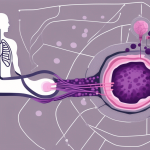
Prostate cancer starts in the prostate gland, a small organ in men that produces seminal fluid. This cancer can grow slowly or spread quickly, sometimes without obvious symptoms in early stages. If you notice issues like frequent urination, blood in urine or semen, pelvic pain, or erectile dysfunction, it’s important to talk to your doctor. Early screening through prostate-specific antigen (PSA) tests and digital rectal exams (DRE) plays a crucial role in catching prostate cancer early, when treatments such as surgery, radiation, hormone therapy, or chemotherapy are most effective.
If you want to learn more about prostate cancer, the National Cancer Institute offers comprehensive information.
Why African American Men Face Higher Risks
African American men are more likely to be diagnosed with prostate cancer and have higher death rates compared to men of other races. This elevated risk is influenced by a combination of genetic, environmental, and social factors. For example, studies have identified certain genetic variations more common in African American men that increase susceptibility to prostate cancer. If you have a family history of prostate cancer, your risk may be higher, making early discussions with your healthcare provider essential.
Environmental and Lifestyle Factors Affecting Your Risk
Beyond genetics, the environment and lifestyle you live can impact prostate cancer risk. Exposure to environmental pollutants like air toxins may damage prostate cells. Limited physical activity and higher rates of obesity, both more common in some communities, can increase inflammation and hormonal imbalances that fuel cancer growth. Taking steps to eat a balanced diet rich in fruits, vegetables, and whole grains, and engaging in regular exercise can help you reduce your risk.
The American Cancer Society provides helpful guidance on lifestyle choices that support prostate health.
Barriers and Disparities in Diagnosis and Treatment You Should Know
Unfortunately, African American men often face disparities in diagnosis and treatment due to systemic inequities. You might experience delays in screening or difficulty accessing high-quality care because of economic challenges, lack of health insurance, or mistrust in the healthcare system. These factors can lead to later-stage diagnoses and limited treatment options. Speaking openly with your doctor about your risk and seeking early screening can help overcome these barriers.
Organizations like the Prostate Cancer Foundation work to support patients and advocate for equitable care.
Why Early Screening Is Crucial for You
Because of the higher risk and often more aggressive nature of prostate cancer in African American men, medical experts recommend starting PSA screening at age 45—or even earlier if you have additional risk factors. Catching cancer early means you have more treatment options and better chances for successful outcomes. Talk to your healthcare provider about when to begin screening and the best schedule for you.
For detailed screening guidelines, visit the National Comprehensive Cancer Network.
Practical Steps You Can Take to Lower Your Risk
You have the power to influence your prostate health through lifestyle choices:
- Eat a nutrient-rich diet emphasizing fruits, vegetables, and whole grains to help reduce inflammation.
- Stay physically active by aiming for at least 150 minutes of moderate exercise per week.
- Avoid exposure to environmental toxins whenever possible.
- Keep regular appointments with your healthcare provider for screenings and discussions about your risk.
Small changes can make a significant impact.
Support and Resources to Guide You
Managing prostate cancer can feel overwhelming, but many resources exist to support you. Groups like the American Cancer Society and the Prostate Cancer Foundation offer educational materials and connect you to counseling and support communities. Clinical studies such as the MEN ACT and RESPOND studies aim to improve care for African American men, and joining such initiatives may provide access to cutting-edge treatments. Local community health programs can also help with screening and education efforts.
Check out resources from the CDC to find programs near you.
Frequently Asked Questions
What makes prostate cancer particularly important for African American men to understand?
Prostate cancer tends to develop earlier and be more aggressive in African American men. Understanding your personal risk can lead to early detection and improved outcomes.
How do genetics influence prostate cancer risk in African American men?
Certain inherited genetic variants common in African American men can increase susceptibility to prostate cancer. Knowing your family history and considering genetic testing can help guide monitoring and prevention strategies.
What challenges do African American men face in prostate cancer treatment?
African American men often confront delays in diagnosis, limited access to quality healthcare, economic barriers, and cultural mistrust. These issues contribute to disparities in treatment outcomes.
Why is early screening more important for African American men?
Due to higher risk and aggressive cancer types, starting PSA testing earlier—around age 45—is recommended to detect cancer at a more treatable stage.
What lifestyle changes can help reduce my prostate cancer risk?
Eating a balanced diet rich in plant-based foods, staying physically active, maintaining a healthy weight, and avoiding environmental toxins can lower your risk.
By understanding these facts and taking proactive steps, you can better protect your prostate health and seek timely support and treatment. For more detailed information, consider visiting the Mayo Clinic’s guide on prostate cancer or watching educational videos from trusted sources like Cancer Research UK. Remember, your health is in your hands, and help is always available.