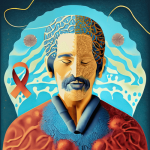
Facing a prostate cancer diagnosis raises important questions about life expectancy and what lies ahead. While it can feel overwhelming, understanding how factors like your age, overall health, cancer stage, and treatment choices come into play can empower you to make more informed decisions. Advances in treatment, including personalized medicine, along with attention to lifestyle and mental well-being, offer hope for maintaining quality of life. This guide will help you navigate these aspects, so you can approach your journey with confidence and support.
Understanding Life Expectancy in Prostate Cancer
Life expectancy after a prostate cancer diagnosis refers to the average number of years someone might live following their diagnosis. This varies widely between individuals because prostate cancer behaves differently depending on several key factors. It’s important to know that prostate cancer is the second most common cancer among men worldwide, and many men live for many years after diagnosis, especially when detected early. Learning what affects life expectancy can help you and your healthcare team tailor the best care plan for your situation. For more detailed information on prostate cancer basics, you might find the National Cancer Institute’s guide useful (cancer.gov/types/prostate).
How Your Age Affects Prostate Cancer Outcomes
Age is an important consideration but not the only one when it comes to your outlook. Younger men with prostate cancer often have a better chance of longer survival because they usually have stronger immune systems and can tolerate more aggressive treatments if needed. However, even if you’re older, it doesn’t mean your prognosis is poor. Many factors, like existing health conditions and your personal health status, influence how well you might respond to treatment. Discussing these details openly with your doctor can clarify what treatment options are best suited for you. You can learn more about how age and health impact cancer treatment at Mayo Clinic’s prostate cancer page (mayoclinic.org/diseases-conditions/prostate-cancer).
The Importance of Cancer Stage in Predicting Life Expectancy
The stage of prostate cancer at diagnosis plays a crucial role in survival chances. Early-stage prostate cancer (tumors confined to the prostate) tends to have a much higher survival rate, and treatments at this stage can often control or eliminate the cancer effectively. If your cancer has spread beyond the prostate (advanced stage), treatments may focus on slowing progression and improving quality of life. Modern therapies—including hormone therapy, chemotherapy, and targeted treatments—have extended survival even in advanced cases. Understanding your cancer stage, often described using the TNM system (tumor size, lymph node involvement, metastasis), helps your doctor create an effective treatment plan personalized for you. For more on staging and treatment, the American Cancer Society provides excellent resources (cancer.org/cancer/prostate-cancer).
How Your Overall Health and Lifestyle Influence Survival
Other health conditions you may have—called comorbidities—such as heart disease, diabetes, or high blood pressure, can affect your life expectancy and how treatments work for you. Managing these conditions closely with your healthcare team is essential to support your cancer treatment. On the positive side, lifestyle choices you make can improve your outcomes. Regular exercise, balanced nutrition rich in fruits and vegetables, maintaining a healthy weight, and avoiding tobacco or excessive alcohol can all strengthen your body’s ability to fight cancer and tolerate treatment. Taking proactive steps toward a healthier lifestyle is something you can control and can make a meaningful difference.
Treatment Options: Surgery and Radiation Therapy
Surgery (like radical prostatectomy) aims to remove the prostate gland and the cancer within it, which can be curative, especially in early-stage disease. Whether surgery is the right choice depends on your cancer’s characteristics, age, and health status. Radiation therapy uses high-energy beams to target and destroy cancer cells and can be delivered externally or internally (brachytherapy). Both treatments have risks and benefits, so discussing these thoroughly with your healthcare team is key to choosing the approach that aligns with your goals and circumstances. The National Comprehensive Cancer Network (NCCN) offers detailed guidelines on prostate cancer treatments (nccn.org/patients/guidelines/prostate).
Supporting Your Mental Health While Living with Prostate Cancer
A prostate cancer diagnosis doesn’t only affect your body but also your emotional well-being. You might experience stress, anxiety, or fear, which is completely natural. Finding ways to cope—through counseling, support groups, or talking openly with family and friends—can greatly improve your quality of life. Mental health plays an important role in how well you manage treatment and adjust to life changes. Don’t hesitate to seek professional help if you feel overwhelmed; taking care of your mind supports your overall healing journey.
Looking Ahead: Advances and Personalized Treatment
The future of prostate cancer treatment is hopeful, with continuous progress in new therapies. Personalized medicine is an exciting area, where treatments are tailored to your individual genetic makeup and tumor characteristics. This approach aims to increase treatment effectiveness while minimizing side effects. Ongoing research and clinical trials keep improving the options available, so staying informed and connected to your healthcare providers about new advances can be beneficial.
Remember, prostate cancer is a journey unique to you. By understanding how factors like age, cancer stage, health, treatments, and your mental well-being interact, you can take an active role in your care. With the right support and information, many men live long, fulfilling lives beyond their prostate cancer diagnosis.
Frequently Asked Questions
- How does prostate cancer stage affect my life expectancy?
- Early-stage prostate cancer, where the cancer is confined to the prostate, generally has a much better prognosis and higher survival rates. Advanced stages, where cancer has spread, can be more challenging, but treatments may still extend life and improve quality.
- Can lifestyle changes really impact my prostate cancer outcomes?
- Yes. Healthy lifestyle choices like regular exercise, eating a balanced diet, maintaining a healthy weight, and avoiding smoking can help your body respond better to treatment and improve your overall health.
- Is age the most important factor in determining my prognosis?
- Age is important but not the only factor. Your overall health, cancer stage, treatment possibilities, and how you respond to treatment all play significant roles.
- What mental health support is available for those with prostate cancer?
- Support groups, counseling, and therapy can help manage the emotional challenges of a cancer diagnosis. Talking to your healthcare provider about mental health resources is a good step.
- What is personalized medicine and how can it help me?
- Personalized medicine tailors cancer treatment to your unique genetic profile and tumor specifics, aiming to improve effectiveness while reducing side effects. It represents a growing field with promising results in prostate cancer care.
Further Resources and Support
- National Cancer Institute: Prostate Cancer
- Mayo Clinic: Prostate Cancer
- American Cancer Society: Prostate Cancer
You can also find helpful videos and patient stories on the Mayo Clinic and Cancer Research UK YouTube channels, which offer compassionate insights into living with prostate cancer.