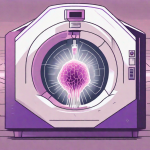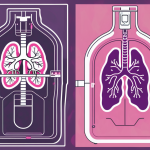
Early detection of lung cancer can save lives, and low-dose CT (LDCT) scans are transforming how we find lung cancer early—when treatment is most effective. If you or a loved one has a history of heavy smoking or are between 50 and 80 years old, LDCT screening could be a crucial step in protecting your lung health. This article explains what LDCT scans are, how they work to detect lung cancer sooner, who should consider screening, and how to combine screening with healthy lifestyle choices for the best defense against lung cancer.
Understanding Low-Dose CT Scans and Their Role in Lung Cancer Screening
Low-dose CT scans use advanced imaging technology that emits much less radiation than traditional CT scans while still capturing detailed pictures of your lungs. This makes LDCT a safer option for regular lung cancer screenings. During the brief, painless scan, a machine takes multiple images of your lungs to detect tiny nodules or unusual spots that may indicate early signs of cancer—even before symptoms appear.
Who Should Get Low-Dose CT Lung Cancer Screening?
You might benefit most from LDCT lung cancer screening if you’re between 50 and 80 years old and have a significant history of heavy smoking, such as current smokers or those who quit within the past 15 years. This group faces the highest risk for lung cancer, and early detection through LDCT has been shown to reduce lung cancer deaths by about 20%. Not everyone needs yearly scans, so it’s important to talk with your doctor about your personal risk and the right timing for screening.
Benefits and Considerations of LDCT Screening
LDCT screening offers several important benefits:
– **Early detection:** By finding lung cancer early, you increase the chances of less invasive and more successful treatments.
– **Lower radiation exposure:** LDCT uses a fraction of the radiation compared to regular CT scans, reducing your overall risk.
– **Improved survival:** Studies show LDCT screening can lower lung cancer mortality for high-risk individuals.
However, it’s also important to understand that LDCT scans can sometimes detect things that aren’t cancer (false positives), leading to additional tests or checks. Some cancers detected may grow very slowly or not require immediate treatment. Your healthcare team will guide you through any follow-up needed, ensuring you have the support and information to make the best decisions.
Preparing for Your LDCT Scan and Next Steps
Getting ready for an LDCT scan is usually straightforward—it often involves providing your medical and smoking history and visiting a scanning center for a quick procedure. If the scan finds abnormalities, your doctor will discuss further testing or monitoring options with you. Throughout this process, clear communication with your healthcare provider will help you understand your results and what to expect next.
Combining Screening with Healthy Habits for Stronger Protection
While LDCT is a powerful tool, it works best as part of a broader approach to lung health. Quitting smoking, eating a balanced diet, and staying physically active all help reduce your cancer risk. You can learn more about quitting smoking and lifestyle changes on the [American Cancer Society website](https://www.cancer.org/healthy/stay-away-from-tobacco.html). As research advances, LDCT screening may become an even more valuable part of cancer prevention strategies.
Making Informed Choices for Your Lung Health
Deciding to undergo LDCT lung cancer screening is an important step that should involve a conversation with your healthcare provider. Together, you can weigh the benefits and potential drawbacks based on your health history. Trusted sources like the [National Cancer Institute](https://www.cancer.gov/types/lung/hp/lung-screening-pdq) offer detailed information to help you understand the screening process and its role in lung cancer prevention.
By embracing modern screening methods and proactive lifestyle choices, you’re taking meaningful action to protect your lungs and improve your chances of catching lung cancer early—when it is most treatable.
—
**Frequently Asked Questions**
**1. How often should I have a low-dose CT scan for lung cancer screening?**
If you qualify for screening, most guidelines recommend an annual LDCT scan. However, the exact schedule depends on your health status and risk factors. Discuss this with your doctor for a personalized plan.
**2. Is the low-dose CT scan painful or risky?**
The scan is painless and quick, usually lasting just a few minutes. It uses low radiation levels, which makes it safer than standard CT scans, but all radiation adds some risk, so screening is typically recommended only for those at significant risk of lung cancer.
**3. What happens if my scan shows an abnormal spot?**
Not all abnormalities mean cancer. Your healthcare provider may recommend additional imaging, monitoring, or tests to understand the finding better and decide on the best course of action.
**4. Can never-smokers benefit from LDCT screening?**
Currently, LDCT screening is mainly recommended for people with a history of heavy smoking, as their risk is much higher. If you are a never-smoker but have other risk factors, discuss this with your doctor.
**5. How do lifestyle choices affect lung cancer risk?**
Avoiding tobacco, maintaining a healthy diet, exercising regularly, and reducing exposure to lung irritants all lower your lung cancer risk. Screening is a valuable tool but works best alongside these healthy habits.
—
For more information on lung cancer screening and prevention, visit the [American Lung Association’s page on lung cancer](https://www.lung.org/lung-health-diseases/lung-disease-lookup/lung-cancer/learn-about-lung-cancer/lung-cancer-screening), or watch expert videos from the [Mayo Clinic](https://www.youtube.com/user/mayoclinic).