Wondering how lung cancer can be caught early enough to improve treatment success? Low-dose computed tomography lung cancer screening (CTLS) offers a non-invasive way to detect lung cancer in its earliest, most treatable stages, especially for people at higher risk due to age and smoking history. This screening not only helps save lives but also opens doors to less aggressive treatments and better quality of life. Understanding how CTLS works, who should consider it, and what to expect can empower you to take control of your lung health with confidence.
Why Early Detection Matters in Lung Cancer
Lung cancer often grows silently and shows symptoms only after it has advanced, making treatment more difficult and survival rates lower. That’s why detecting cancer early is so important. With CTLS, doctors can spot tiny lung abnormalities before symptoms appear. When found early, lung cancer is more likely to be limited to one area, making it easier to treat effectively. Early detection can mean less invasive treatments and a higher chance of long-term survival. For example, a person like John, who smoked for decades, might discover a small tumor on a CTLS scan and receive a targeted treatment like radiofrequency ablation (RFA). This procedure uses heat to destroy cancer cells while preserving healthy lung tissue, resulting in faster recovery and fewer side effects compared to traditional surgery.
Because early screening provides peace of mind and hope, it also reduces the stress families face during uncertain times. Furthermore, when researchers analyze early detection cases, they gain valuable insights to improve future screening programs and treatments. Innovations like liquid biopsies, which test blood samples for cancer cell markers, promise to make early lung cancer detection even easier and less invasive.
Understanding Low-Dose CT Lung Cancer Screening (CTLS)
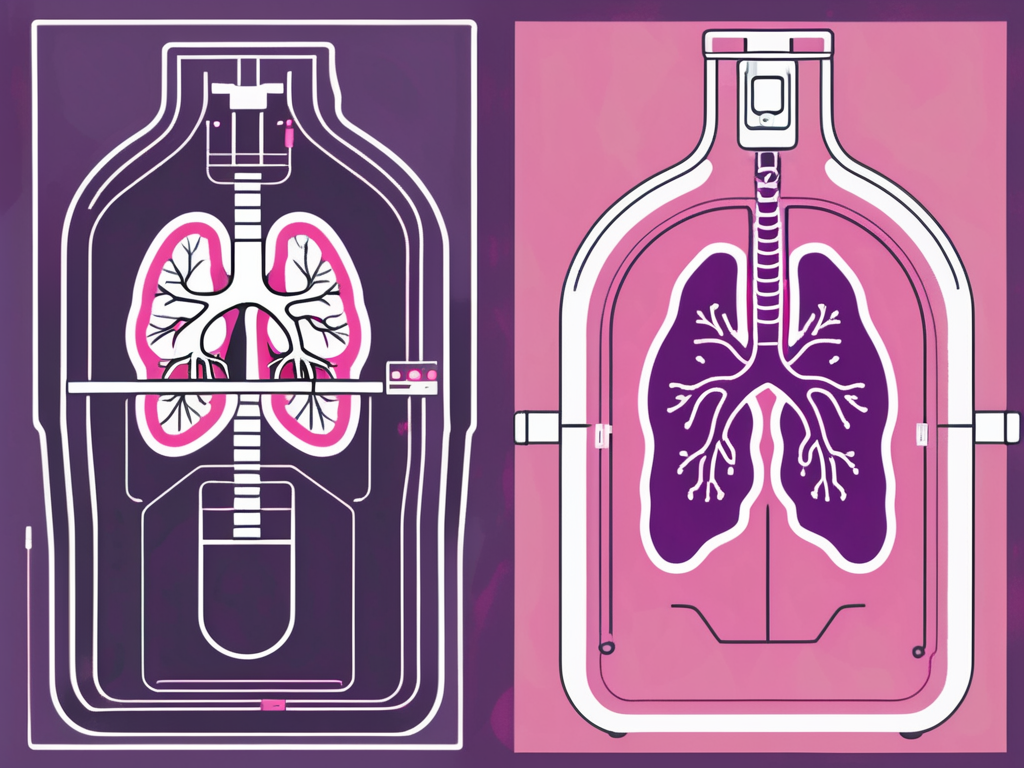
CTLS uses a specialized CT scan that applies a low amount of radiation—similar to a standard chest X-ray—to produce detailed images of your lungs. These images help doctors identify small nodules or growths that might be cancerous. Research shows CTLS can reduce lung cancer deaths by up to 20%, making it a critical tool for saving lives.
Who Should Think About Getting CTLS?
If you are between 55 and 80 years old and have smoked heavily—for example, the equivalent of one pack a day for 30 years or two packs a day for 15 years—you should talk to your healthcare provider about CTLS screening. Even if you quit smoking within the last 15 years, you may still benefit from screening. Your doctor can help you weigh the benefits and risks based on your personal health history. You can learn more about screening eligibility from trusted sources like the National Cancer Institute’s lung cancer screening page or the American Lung Association.
How Safe and Accurate Is the Low-Dose CT Scan?
The low radiation from CTLS is designed to minimize risk while still delivering clear, high-resolution images. This technology has improved over the years, allowing doctors to detect even the smallest lung abnormalities more accurately. However, it’s important to understand that CTLS isn’t perfect. Sometimes, it may find spots that look suspicious but aren’t cancer (false positives), or it might miss very slow-growing cancers (false negatives). Despite these limitations, the overall benefit of early detection greatly outweighs the risks for those in high-risk groups.
Preparing for Your CTLS Screening
Getting ready for your scan is simple. You might be asked to avoid eating for a few hours beforehand to get the best images. Wear comfortable clothing without metal parts, as metal can interfere with imaging. Be sure to share your full medical history with your healthcare provider, including any allergies or medications you take. This preparation helps make your screening experience smooth and effective.
What Happens After Your CTLS?
Waiting for screening results can be stressful, but it’s important to remember that most lung nodules detected by CTLS are non-cancerous. If something unusual shows up, your doctor will explain the next steps, which might include more imaging or a biopsy to understand the nature of the finding. Your healthcare team will guide and support you throughout this process, aiming for the best outcome possible.
Staying Healthy After Screening and What Follow-Up Looks Like
If your screening is clear, regular check-ups will help maintain your lung health. But if abnormalities are found, ongoing monitoring is essential. Your doctor may suggest follow-up scans or other tests on a schedule tailored to your situation. Beyond screening, the best defense against lung cancer is a healthy lifestyle: if you smoke, quitting is the single most effective step you can take. Avoiding secondhand smoke and environmental toxins also helps protect your lungs. Following these proactive steps along with regular screenings can give you the greatest chance at a cancer-free future.
By choosing CTLS screening when appropriate, you’re making a powerful decision in your health journey—catching lung cancer early when it’s most treatable and preserving your quality of life.
Frequently Asked Questions
1. How often should I get a low-dose CT lung cancer screening?
Most guidelines recommend annual CTLS for individuals at high risk between ages 55 and 80 who meet smoking history criteria. Your healthcare provider will tailor the schedule based on your specific risk factors. For detailed guidance, visit the American Cancer Society’s lung screening recommendations.
2. What are the risks of radiation exposure from CTLS?
The radiation dose in low-dose CT scans is similar to that of a chest X-ray and is considered low risk compared to the potential benefits of early lung cancer detection. Your doctor can provide personalized information based on your health.
3. What happens if my CTLS results are abnormal?
An abnormal result does not always mean cancer. Your doctor may recommend further tests like follow-up scans or biopsies to clarify the findings. Early follow-up is key to effective management.
4. Can people who never smoked benefit from lung cancer screening?
Currently, CTLS is mainly recommended for individuals with a significant smoking history or other high-risk factors. However, ongoing research may change screening criteria in the future.
5. Where can I learn more about lung cancer screening?
Trusted sources include the National Cancer Institute, the American Lung Association, and reputable medical centers like the Mayo Clinic’s lung cancer screening overview.
Taking this step toward early detection could make all the difference—talk to your healthcare provider to see if CTLS is right for you.