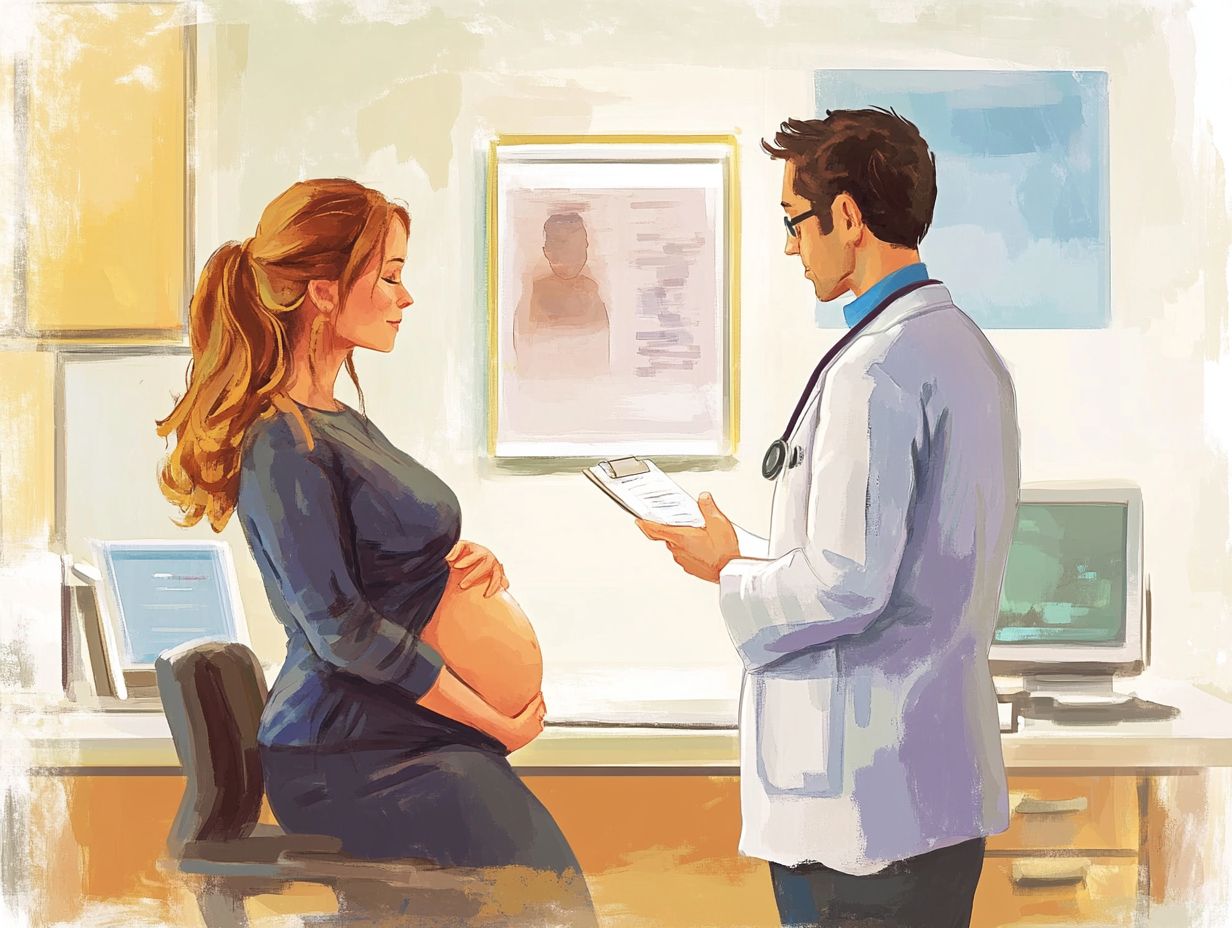
Facing a cancer diagnosis during pregnancy brings a unique set of challenges that demand careful balancing of your health and your baby’s well-being. Treatment plans are thoughtfully tailored to both protect your unborn child and effectively fight cancer, making expert collaboration essential. Advances in research and specialized care mean that many pregnant women with cancer can receive treatment safely and maintain hope for positive outcomes.
Understanding Cancer During Pregnancy
Cancer during pregnancy is relatively rare but can involve common cancers such as breast cancer, cervical cancer, and melanoma. Hormonal and immune system changes during pregnancy might influence the development or detection of these cancers. If you find yourself managing cancer while expecting, it’s important to work closely with a specialized healthcare team—including oncologists and obstetricians—who understand the complexities involved.
You can learn more about cancer and pregnancy from reputable sources like the National Cancer Institute (NCI) and Mayo Clinic’s guide which cover diagnosis, risks, and treatment options.
Types of Cancer Commonly Diagnosed During Pregnancy
- Breast cancer: Often detected during pregnancy or shortly after delivery.
- Cervical cancer: Screenings during prenatal visits help with early detection.
- Melanoma: The most aggressive form of skin cancer can occur at any time.
- Hodgkin lymphoma: Although rare, may be diagnosed during pregnancy and requires special management.
Treatment Approaches Tailored for You and Your Baby
Cancer treatments during pregnancy depend largely on the cancer type, stage, and how far along you are in your pregnancy. Your care team will carefully weigh the timing and type of treatments to protect your baby while giving you the best chance of recovery.
- Surgery: Often safe during pregnancy and can sometimes be the first line of treatment.
- Chemotherapy: Usually avoided during the first trimester but may be safely administered later with close monitoring.
- Radiation therapy: Typically postponed until after delivery due to potential risks to the fetus.
- Targeted therapies and immunotherapies: Newer options that require individualized evaluation for safety during pregnancy.
The multidisciplinary team approach, combining the expertise of oncologists, obstetricians, and pediatricians, is essential to adapt treatments as your pregnancy progresses. Studies, including those supported by the NCI and international research centers, highlight the importance of personalized care plans.
Timing and Treatment Decisions
Your healthcare providers will discuss with you how gestational age influences treatment choices. For example, delaying chemotherapy until after the first trimester—when fetal organs have mostly developed—can reduce risks. Sometimes treatments will need to be adjusted to balance the urgency of cancer control with fetal safety.
Managing Potential Side Effects and Pregnancy Risks
While cancer treatment during pregnancy is possible, it can come with risks such as preterm birth, low birth weight, or growth restrictions. Your medical team will closely monitor both your health and your baby’s development through frequent prenatal exams and specialized tests.
Immunotherapy drugs, like nivolumab, represent promising advances but their safety profiles in pregnancy are still being studied. Participating in clinical trials or specialized pregnancy cancer registries can help ensure you receive the safest possible care.
Minimizing Complications Through Collaboration
Regular coordination between your oncologist and obstetrician is vital. This includes scheduling treatments to minimize risks, monitoring for any effects on your pregnancy, and promptly managing any side effects that arise. Resources such as the International Network on Cancer, Infertility and Pregnancy (INCIP) provide support and guidance for women navigating these challenges.
Supporting Your Emotional and Mental Well-being
Living with cancer during pregnancy can be emotionally overwhelming. It’s natural to feel anxiety, fear, or uncertainty. Taking care of your mental health through counseling, support groups, or mindfulness practices is as important as managing your physical health.
Organizations like Hope for Two offer support tailored to pregnant women facing cancer. Don’t hesitate to ask your healthcare team for referrals to psychological support services that can help you cope during this time.
Practical Support Strategies
- Engage in therapy or counseling to process your feelings.
- Join support groups to connect with others who share similar experiences.
- Explore relaxation techniques such as meditation or deep breathing exercises.
- Maintain open communication with your healthcare providers about your physical and emotional needs.
Frequently Asked Questions About Cancer Treatment During Pregnancy
Can I safely receive cancer treatments like chemotherapy while pregnant?
Yes, certain chemotherapy drugs can be safely administered during the second and third trimesters. Treatments are usually avoided during the first trimester due to higher risks to fetal development. Your care team will tailor treatment timing to maximize safety for both you and your baby.
Will cancer treatments harm my unborn child?
Some treatments carry risks, but many surgeries and chemotherapy regimens have been used safely during pregnancy. Radiation therapy is generally avoided to protect the fetus. Your doctors will carefully select and time treatments to minimize any potential harm.
What happens if I discover I’m pregnant during ongoing cancer treatment?
If you find out you are pregnant during cancer treatment, it is important to inform your care team immediately. Together, you can evaluate the best path forward, which may involve adjusting or pausing treatment to protect your baby while addressing your health needs.
Are there risks if I delay cancer treatment until after delivery?
Delaying treatment can pose risks depending on your cancer type and stage. Your healthcare providers will weigh these risks against potential effects on your baby and help you make an informed decision that balances both priorities.
Where can I find more support and information?
You can find valuable resources at the National Cancer Institute, Hope for Two, and the INCIP network. These organizations offer guidance specific to cancer during pregnancy, including treatment options and emotional support.