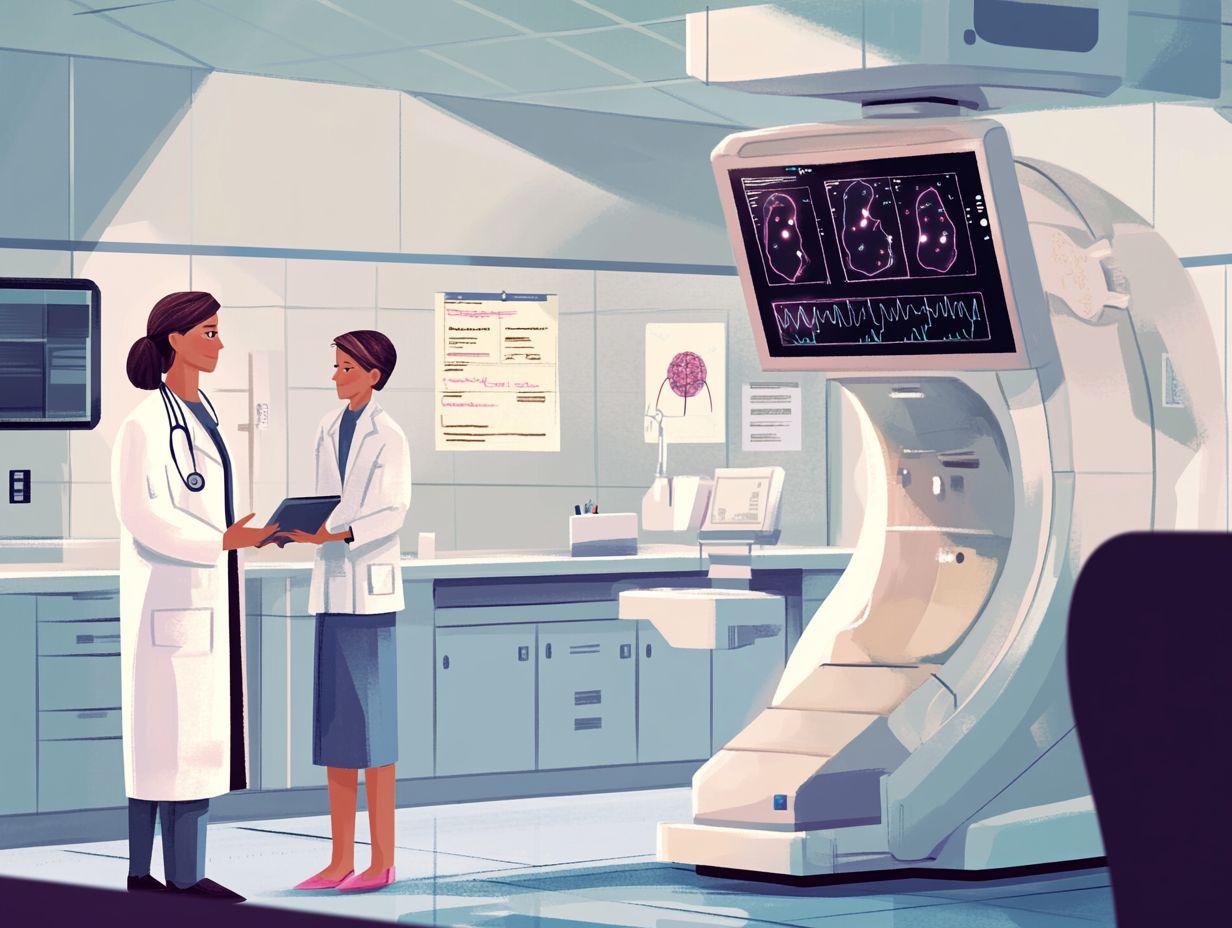
Targeted cancer therapy is transforming cancer treatment by focusing on the unique genetic mutations of your tumor, enabling more precise attacks on cancer cells while sparing healthy tissue. This approach personalizes your treatment plan, improving effectiveness and often reducing side effects compared to traditional chemotherapy. In the following article, you’ll learn how these therapies work, the main types available, potential benefits and risks, and what to consider before starting treatment so you can make informed decisions alongside your healthcare team.
What Is Targeted Cancer Therapy?
Targeted cancer therapy is a form of treatment designed to identify and attack specific molecules or genetic changes that allow cancer cells to grow and survive. Unlike traditional chemotherapy, which affects both cancerous and healthy cells, targeted therapies home in on cancer cells with greater precision, reducing damage to normal tissues.
This approach uses advanced precision medicine techniques, including biomarker testing, to tailor therapies specifically to your cancer’s unique genetic profile. It often integrates with immunotherapy and hormone therapy for comprehensive cancer care.
Types of Targeted Cancer Therapy
There are two main categories of targeted therapies you may encounter:
Monoclonal Antibodies
Monoclonal antibodies are lab-created molecules that bind to specific proteins (antigens) on cancer cells. For example, HER2-targeted antibodies are commonly used in breast cancer treatment. These antibodies can:
- Block signals that cancers need to grow,
- Flag cancer cells so your immune system can attack them,
- Deliver toxins directly to cancer cells to destroy them.
This targeted action helps minimize damage to healthy tissue and side effects.
Small-Molecule Drugs
Small-molecule drugs enter cancer cells and interfere with internal pathways that promote tumor growth and survival. These oral medications might inhibit enzymes or proteins critical to cancer progression, functioning as angiogenesis inhibitors (blocking blood vessel growth that feeds tumors) or enhancing immune responses.
Common examples include:
- Imatinib for chronic myelogenous leukemia,
- Gefitinib for non-small cell lung cancer,
- Vemurafenib for melanoma.
Ongoing clinical trials at major centers like the Cleveland Clinic continue to explore new small-molecule drugs and ways to overcome challenges like drug resistance.
How Does Targeted Cancer Therapy Work?
Targeted therapies block the signals and pathways cancer cells use to grow, divide, spread, and avoid death. By disrupting these mechanisms, targeted treatments help control tumor growth and prevent metastasis.
Biomarker testing plays a key role: a biopsy sample from your tumor is analyzed to identify specific genetic mutations or protein expressions. This information helps your medical team select the most effective drugs tailored to your cancer’s biology.
For example, if your cancer cells overexpress the HER2 protein or carry a BRCA mutation, therapies targeting these markers can be highly effective.
Benefits and Risks of Targeted Cancer Therapy
Advantages Over Traditional Chemotherapy
Because targeted therapies attack cancer cells more precisely, they tend to:
- Have fewer and less severe side effects, improving your quality of life,
- Spare healthy cells, allowing for better overall health during treatment,
- Offer personalized treatment that can be more effective against specific tumor types.
Potential Side Effects and Risks
While generally better tolerated than chemotherapy, targeted treatments can still cause side effects. These may include fatigue, skin rashes, high blood pressure, and immune reactions. Certain drugs, like HER2 inhibitors, may affect heart function, requiring regular monitoring.
Additionally, cancer cells can develop resistance to targeted drugs over time, necessitating adjustments in your treatment plan. Open communication with your healthcare team is crucial to manage side effects and detect any changes in effectiveness.
Before Starting Targeted Cancer Therapy: What You Should Know
Are You Eligible?
Your eligibility depends on the specific genetic characteristics of your cancer, determined through biomarker or genomic testing. Your doctor will guide you through this process to find out if targeted therapy is suitable.
Biopsy and Testing
To select the right treatment, a biopsy is performed to collect tissue from the tumor. This may involve fine-needle aspiration, core needle biopsy, or surgical biopsy, depending on the tumor’s location. The sample is examined for mutations and protein markers to identify actionable targets.
Considering Your Options
Alongside approved targeted drugs, clinical trials may offer access to cutting-edge therapies tailored to your cancer’s mutation profile. Discuss with your oncologist whether exploring clinical trials is appropriate for you.
Understanding the balance between benefits and possible side effects will help you prepare physically and emotionally for treatment.
Frequently Asked Questions
What makes targeted cancer therapy different from chemotherapy?
Unlike chemotherapy, which attacks rapidly dividing cells broadly (including healthy ones), targeted therapy focuses precisely on cancer cells’ genetic changes and growth signals, reducing harm to normal tissues.
How do I know if I qualify for targeted therapy?
Qualification depends on the presence of specific genetic mutations or protein markers identified through biopsy and genetic testing. Your oncologist will discuss the results with you and recommend suitable options.
Can targeted therapy treat all types of cancer?
Targeted therapy is effective for many cancers, such as breast, lung, colorectal, melanoma, and prostate cancers, but it depends on your tumor’s molecular characteristics.
What side effects should I expect?
Side effects vary by drug but may include fatigue, skin changes, diarrhea, or high blood pressure. Because treatments are precise, side effects are often less severe than with chemotherapy. Your healthcare team will monitor you closely and help manage any issues.
Where can I find more information about targeted cancer therapy?
Reliable resources include the National Cancer Institute’s targeted therapy page, Mayo Clinic’s overview, and educational videos from Mayo Clinic’s YouTube channel.