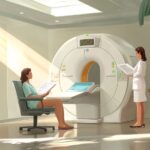
After cancer treatments like chemotherapy or radiation, many wonder if they can still have children. These treatments may affect your fertility by impacting hormone levels and reproductive organs. However, understanding your options—from preserving eggs before treatment to adoption afterward—can empower you to make informed decisions about building your family. Let’s explore how cancer treatment affects fertility and what choices are available post-treatment.
What Is Post-Treatment Fertility?
Post-treatment fertility means your ability to conceive and have a healthy pregnancy after cancer therapies such as chemotherapy or radiation. These treatments can change how your ovaries and uterus work by affecting hormone production or reducing the number of viable eggs, sometimes leading to infertility.
If you’re undergoing cancer treatment or have completed it, discussing fertility with a reproductive endocrinologist can help you understand your unique situation. They can evaluate your reproductive health and advise on strategies to maintain or regain fertility.
How Cancer Treatments Affect Fertility
Impact of Chemotherapy and Radiation
Cancer therapies often harm rapidly dividing cells, which unfortunately includes eggs in your ovaries. Chemotherapy and radiation can reduce the ovarian reserve—the number of eggs you have—and disrupt hormonal signals necessary for ovulation, which may cause irregular menstruation or early menopause.
Importance of Age and Hormonal Health
Your age plays a key role in fertility outcomes after treatment. Younger women typically have a larger ovarian reserve, so their fertility might recover more easily than women treated later in life. Additionally, factors like overall hormone balance and general health can influence fertility prospects.
Fertility Preservation Options Before and After Treatment
It’s important to consider fertility preservation early, ideally before cancer treatment begins. Here are common options:
- Egg freezing (Oocyte cryopreservation): Eggs are collected and frozen for future use. This allows you to attempt pregnancy later, either naturally or with assisted reproductive technology.
- Embryo freezing (Embryo cryopreservation): Eggs are fertilized with sperm in a lab before being frozen. This is an established method for individuals with partners or who plan to use donor sperm.
- Ovarian tissue freezing: A portion of ovarian tissue is surgically removed and frozen for re-implantation after treatment. This is useful if egg freezing isn’t possible.
Consulting a reproductive endocrinologist early ensures the best chance of preserving your fertility. They can tailor options to your treatment plan and timing.
Assisted Reproductive Technologies After Treatment
If natural conception is difficult post-treatment, assisted reproductive techniques like in vitro fertilization (IVF) may help using your preserved eggs or embryos. For men, sperm banking before treatment offers similar preservation benefits.
Alternative Paths to Parenthood
If fertility preservation wasn’t possible or natural conception isn’t feasible, alternative family building options include:
- Adoption: Providing a loving home through formal legal processes. Adoption allows you to become a parent without biological ties, which many families find deeply fulfilling.
- Surrogacy: A surrogate carries the pregnancy for intended parents. This path involves legal and medical guidance but offers the chance to have a biological child using preserved or donor gametes.
Both options are valid and meaningful routes to parenthood. Exploring these choices with counselors and legal experts can ease the process.
Emotional and Psychological Support
Facing fertility issues after cancer treatment can be emotionally challenging. Feelings of loss, anxiety, or uncertainty are common. Support groups, counseling, and open conversations with your partner or loved ones can help navigate these feelings.
Organizations like LIVESTRONG Fertility provide specialized resources for cancer survivors dealing with fertility concerns. Addressing emotional well-being is just as important as physical health when planning your family.
Frequently Asked Questions
Can cancer treatment make me infertile?
Yes, treatments like chemotherapy or radiation can impact your reproductive organs and hormone production, potentially causing temporary or permanent infertility. The risk depends on treatment type, dose, and your age.
Should I consider fertility preservation before treatment?
Absolutely. If you’re planning cancer treatment, speak with a fertility specialist as early as possible to discuss options like egg or sperm freezing. Early planning maximizes your chances of preserving fertility.
What if I didn’t preserve fertility before treatment?
There are still options after treatment, including assisted reproductive technologies and alternative family-building methods like adoption or surrogacy. A fertility specialist can help guide you.
Are there risks associated with fertility preservation procedures?
These procedures generally have low risks but may include side effects from hormone stimulation or surgical complications. Discuss risks with your doctor to make informed decisions tailored to your health.
Where can I find more information and support?
Trusted sources include the National Cancer Institute’s fertility preservation page and the American College of Obstetricians and Gynecologists (ACOG). These organizations provide valuable guidance on fertility and cancer.