Wondering if colon cancer could run in your family, or whether you should get genetic testing? Modern genetic tests can help you understand your inherited risk, guide when you start colonoscopies, and sometimes even shape treatment decisions. In this guide, we’ll walk through what genetic testing is, who might benefit from it, what the process looks like, and how you can use your results to protect your health and your family’s.
Key Takeaways
- Genetic testing looks for inherited changes (mutations) in your DNA that can significantly increase your risk of colon and other cancers.
- You may benefit from testing if you or close relatives have had colon cancer, multiple polyps, or cancers at younger ages.
- Results can help you and your doctor plan earlier or more frequent screenings, lifestyle changes, and sometimes preventive treatments or surgery.
What Is Genetic Testing?

Genetic testing is a medical test that analyzes your DNA to look for inherited changes (also called variants or mutations) that can increase your risk for certain diseases, including colon cancer.
For colon cancer and other hereditary cancers, testing usually falls into a few categories:
- Single-gene tests: Focus on one specific gene when there is a strong suspicion about a particular hereditary syndrome.
- Panel tests: Test many genes at once that are known to be linked to colon and other cancers. This is now the most common approach.
- Whole-genome / whole-exome sequencing: Much broader testing that looks at most or all of your genes; typically used in specialized or research settings.
Genetic testing is usually paired with genetic counseling. A genetic counselor or genetics-trained provider will:
- Review your personal and family history of cancer with you
- Help you decide if testing makes sense for you right now
- Explain what the results could mean for you and your relatives
- Support you in planning next steps after the test
To learn more about how genetic testing works in general, you can visit the National Cancer Institute genetic testing fact sheet.
Why Is Genetic Testing Important for Colon Cancer?
For most people, colon cancer is caused by a mix of age, lifestyle, and random changes in cells over time. But for about 5–10% of colorectal cancers, an inherited mutation plays a major role.
If you carry one of these inherited mutations, you may:
- Develop colon cancer at a younger age than average
- Develop more than one cancer in your lifetime (for example, colon plus uterine or ovarian cancer)
- Develop many polyps in the colon that can turn into cancer if not removed
Knowing this before cancer appears can be powerful. Genetic testing can help you:
- Start colonoscopy screening earlier and do it more often
- Consider preventive surgeries or medications, in some situations
- Encourage at-risk relatives to get tested and screened
- In some cases, choose targeted therapies if you are already diagnosed with colon cancer
The National Comprehensive Cancer Network (NCCN) and other expert groups recommend genetic evaluation for many people with colon cancer, especially if it occurred at a young age, there are multiple cancers, or there is a strong family history.
Genetic Mutations Linked to Colon Cancer
Several hereditary syndromes can greatly increase your risk of colon and other cancers. If you or your family members have had colon cancer, polyps, or related cancers, you may hear some of these names.
Common Genetic Syndromes and Mutations
Lynch syndrome (Hereditary Nonpolyposis Colorectal Cancer, HNPCC)
- Caused by mutations in “mismatch repair” genes such as MLH1, MSH2, MSH6, PMS2, or EPCAM.
- Increases the risk of colon and rectal cancer, often at younger ages (sometimes before age 50).
- Also raises the risk of uterine (endometrial), ovarian, stomach, small intestine, urinary tract, and some other cancers.
Familial Adenomatous Polyposis (FAP)
- Usually caused by mutations in the APC gene.
- Leads to hundreds to thousands of colon polyps, often starting in the teen years or early adulthood.
- If the colon is not removed, the chance of developing colon cancer is extremely high.
MUTYH-associated polyposis (MAP)
- Caused by mutations in the MUTYH gene (usually both copies of the gene are affected).
- Often causes multiple colon polyps and an increased risk of colon cancer.
Other syndromes associated with colon polyps and cancer include Peutz–Jeghers syndrome (STK11 gene), juvenile polyposis, and PTEN hamartoma tumor syndrome, among others.
For a more detailed overview of inherited colorectal cancer syndromes, you can review the Mayo Clinic’s colon cancer genetics information.
How Do These Mutations Increase Colon Cancer Risk?
In a healthy cell, certain genes act like “spell-checkers” or “brakes” to keep cell growth under control and to fix DNA damage. When you inherit a mutation in one of these genes, that built-in protection is weaker from the start.
- In Lynch syndrome, mismatch repair genes that fix everyday DNA damage do not work correctly, so errors build up and can turn normal cells into cancer cells more quickly.
- In FAP and MAP, genes that control how cells grow in the colon lining are disrupted, leading to many polyps. Over time, some of these polyps can turn into cancer.
If you understand which mutation you carry (if any), your doctors can recommend specific screening and prevention strategies tailored to that gene and risk level.
Who Should Consider Genetic Testing for Colon Cancer?
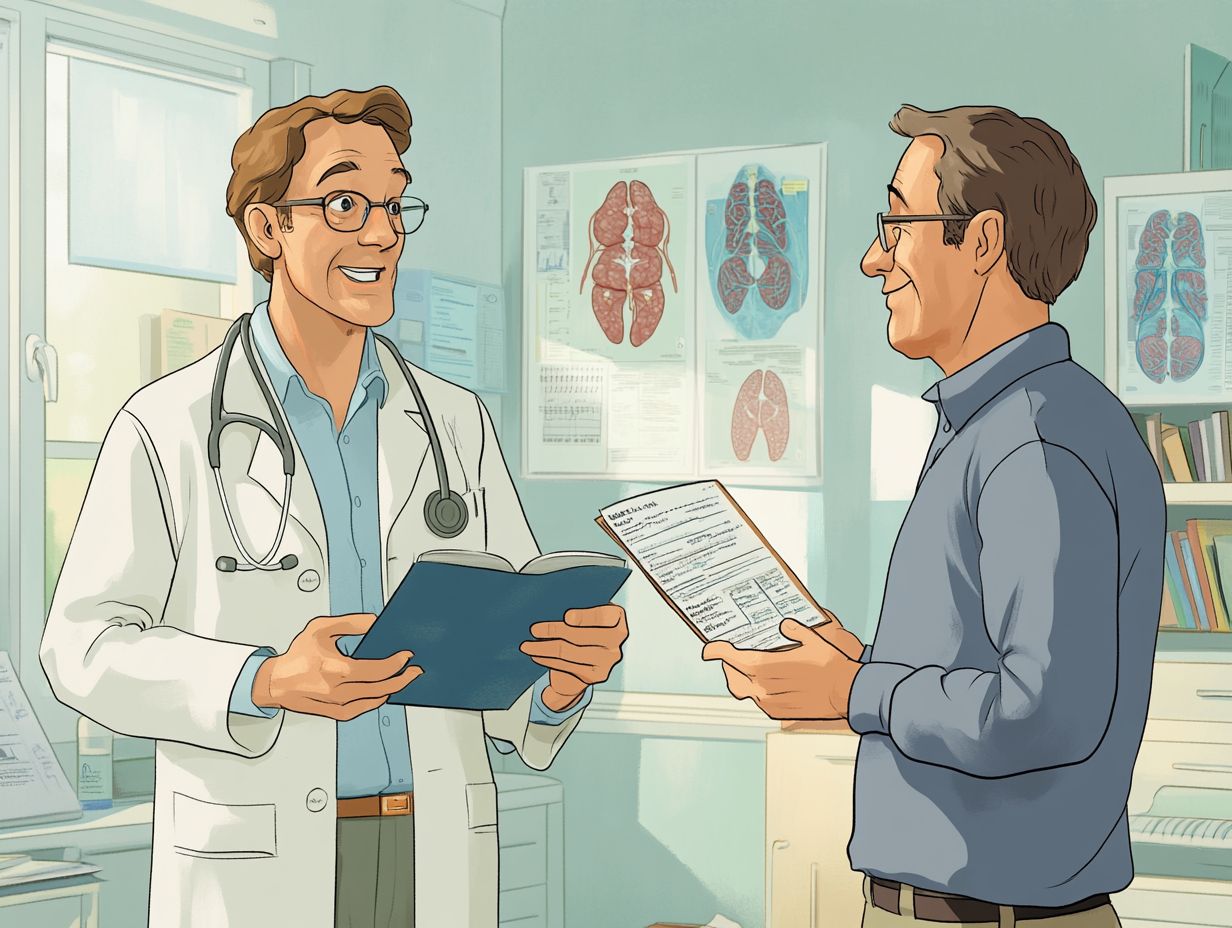
You do not need genetic testing just because you worry about cancer. But you should strongly consider testing if you, or close family members, have certain patterns of cancer or polyps.
Signs You May Be at Higher Risk
You may benefit from a genetics consultation if any of the following apply to you or your close relatives (parents, children, brothers, sisters):
- Colon or rectal cancer diagnosed before age 50
- More than one colon cancer in the same person
- Many colon polyps (for example, 10 or more over a lifetime, or dozens at a young age)
- Colon or rectal cancer plus another cancer linked to Lynch syndrome, such as uterine (endometrial), ovarian, stomach, small intestine, or urinary tract cancer
- Several relatives on the same side of the family with colon cancer or related cancers, especially over more than one generation
- A known hereditary cancer syndrome or mutation in your family (for example, a known APC or MLH1 mutation)
If you see yourself in any of these situations, talking with a genetic counselor or your doctor can help you decide whether testing is right for you.
Why Your Family History Matters
Your family history is one of the strongest clues that cancer risk could be inherited. When you meet with a provider, they will typically ask about:
- Which relatives had cancer and at what ages
- What types of cancers they had
- Whether anyone had multiple cancers or many polyps
If you are not sure about details, do your best and, if possible, talk with relatives before your appointment. Even partial information can be very helpful.
A genetic counselor can then explain:
- Whether your pattern suggests a hereditary syndrome
- Which test (or test panel) makes the most sense
- What your insurance might cover
- How results could affect both you and your family members
You can find more about who should consider genetic testing for colorectal cancer at the American Cancer Society.
The Process of Genetic Testing for Colon Cancer
If you decide to move forward with genetic testing, here’s what you can usually expect.
Step 1: Genetic Counseling and Risk Assessment
You will meet (in person or via telehealth) with a genetic counselor or a provider with genetics training. During this visit, they will:
- Ask about your personal and family history of cancer
- Explain what genetic testing can and cannot tell you
- Discuss emotional, medical, and insurance considerations
- Help you choose the most appropriate test (for example, a multi-gene panel)
- Review and have you sign informed consent forms
Step 2: Sample Collection
Genetic testing is usually simple and painless. Most often, it includes:
- A blood sample drawn in the clinic, or
- A saliva or cheek swab sample that you provide in the office or at home
Your sample is then sent to a specialized laboratory for DNA analysis.
Step 3: Lab Analysis and Turnaround Time
In the lab, your DNA is examined for mutations in the genes included in your test. The lab compares your DNA to reference sequences and databases to look for:
- Known harmful (pathogenic) variants
- Likely harmful variants
- Benign (harmless) variants
- Variants of uncertain significance (VUS), where it’s not yet clear if they affect cancer risk
Results are usually ready in about 2 to 6 weeks, depending on the test type and laboratory.
Step 4: Review of Results and Planning Next Steps
Once your results are back, you’ll have a follow-up visit or call with your genetic counselor or doctor. They will:
- Explain what your specific results mean
- Review any changes recommended for your screening and prevention plan
- Discuss whether testing is recommended for other family members
- Help you process any emotions, concerns, or questions you may have
Interpreting Results and What They Mean for You
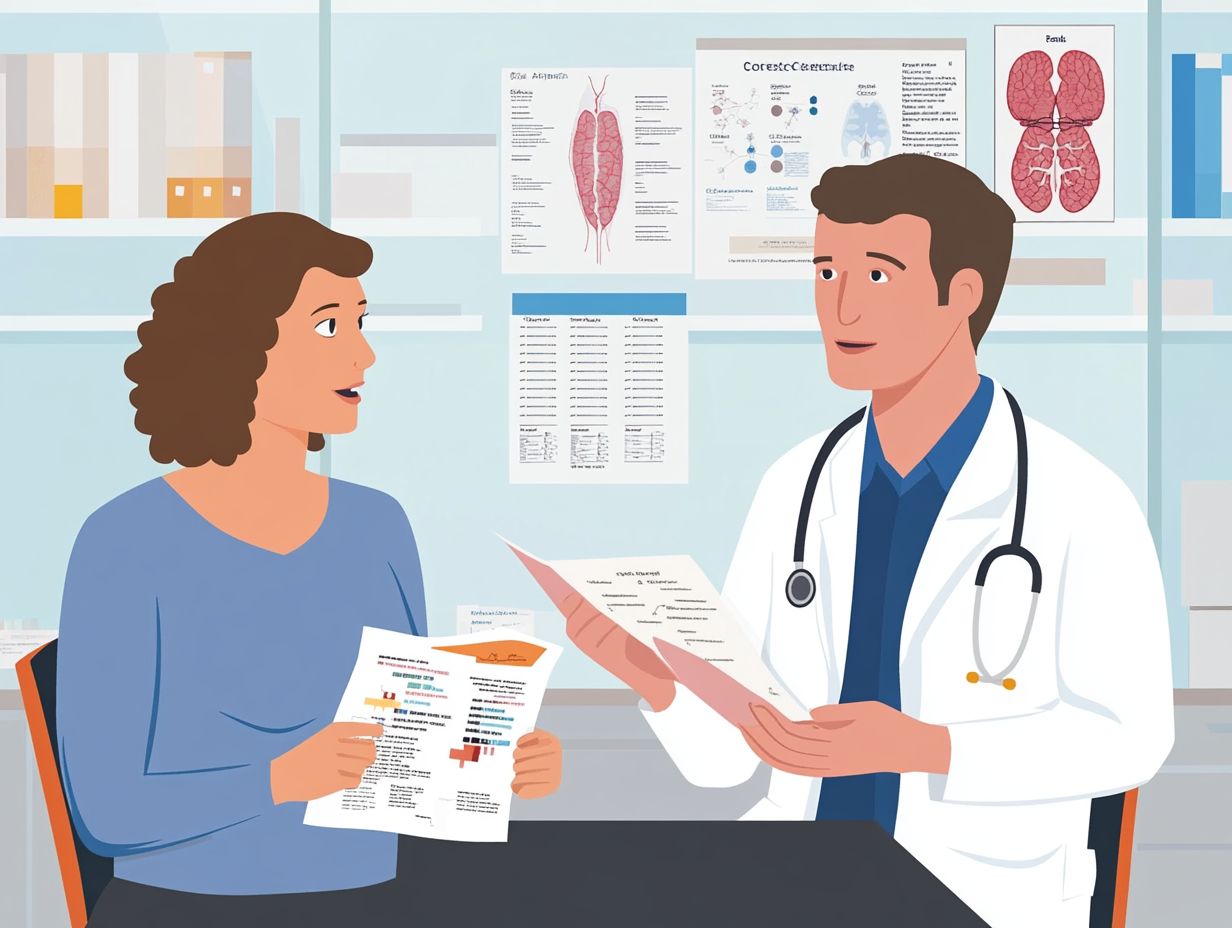
Genetic test results can feel confusing at first. It’s important to remember that the goal is to give you more control, not less. Results generally fall into a few categories.
1. Positive Result (Pathogenic or Likely Pathogenic Variant)
A positive result means that a harmful mutation was found in a gene known to increase cancer risk, such as an MLH1 mutation linked to Lynch syndrome or an APC mutation linked to FAP.
This does not mean you definitely have or will get cancer. It means your risk is higher than average, and you can take specific steps to lower that risk, such as:
- Starting colonoscopy at a younger age and having it more often
- Monitoring for other cancers associated with the mutation (such as uterine or ovarian cancer in Lynch syndrome)
- Considering preventive surgery or medications in certain high-risk syndromes
- Sharing this information with close relatives so they can decide whether to be tested
2. Negative Result
A negative result can mean a few different things, depending on the situation:
- If a specific family mutation is known and you do not have it, your inherited risk is usually similar to the general population (although your family history may still affect screening plans).
- If no known family mutation exists and your test is negative, it does not fully rule out hereditary risk. It may mean that our current tests cannot yet detect all possible genes or mutations.
Even with a negative result, your doctor may recommend earlier or more frequent screening if your family history is strong.
3. Variant of Uncertain Significance (VUS)
A VUS means that a change in a gene was found, but doctors do not yet know whether it increases cancer risk.
- VUS results should not be used to make major medical decisions like preventive surgery.
- Your doctor will base your screening plan on your personal and family history, not just on the VUS.
- Over time, as more data become available, a VUS may later be reclassified as harmless or harmful, and the lab or your provider may update you.
Managing Your Risk and Preventing Colon Cancer
If you have a positive genetic test or a very strong family history, there is a lot you can do to reduce your risk or catch cancer early, when it is more treatable.
Enhanced Screening
Your healthcare team may recommend:
- Colonoscopy at a younger age (sometimes as early as age 20–25 for some syndromes, or 2–5 years earlier than the youngest diagnosis in your family)
- More frequent colonoscopies (for example, every 1–2 years instead of every 10 years)
- Screening for other cancers linked to your gene mutation (such as annual endometrial screening for some women with Lynch syndrome)
These recommendations are usually based on expert guidelines, such as those from the NCCN.
Lifestyle Changes
While you cannot change the genes you were born with, you can influence some of your overall risk. Your doctor may encourage you to:
- Eat a diet rich in fruits, vegetables, whole grains, and fiber
- Limit red and processed meats
- Maintain a healthy weight
- Be physically active most days of the week
- Limit alcohol and avoid tobacco
These steps do not erase genetic risk, but they support overall health and may help lower the chance of developing colon and other cancers.
Medical and Surgical Options
For some people with very high genetic risk, especially those with syndromes like FAP, doctors may discuss:
- Preventive (prophylactic) surgery to remove part or all of the colon before cancer develops, particularly when there are many polyps
- Medications that may help reduce polyp formation in certain situations
These decisions are highly personal and should be made after careful discussions with your gastroenterologist, surgeon, and genetic counselor.
If you already have colon cancer, knowing whether you have a mutation like Lynch syndrome can also affect your treatment plan and may open up options like immunotherapy for certain tumors.
Frequently Asked Questions
What exactly does genetic testing for colon cancer look for?
Genetic testing for colon cancer looks for inherited mutations in genes that help control cell growth and repair DNA. When these genes don’t work properly, your risk of colon and other cancers can be much higher. Commonly tested genes include MLH1, MSH2, MSH6, PMS2, EPCAM (linked to Lynch syndrome), APC (linked to FAP), MUTYH (linked to MAP), and others related to polyposis and cancer risk.
How is the test done, and is it painful?
Most genetic tests are done using a simple blood draw or a saliva/cheek swab. The procedure is quick and similar to other routine blood tests. After your sample is collected, it’s sent to a specialized lab, and you’ll usually get results within 2–6 weeks.
Will a positive genetic test mean I definitely get colon cancer?
No. A positive test means your risk is higher than average, but it does not guarantee you will develop cancer. The benefit of knowing about a mutation is that you and your doctor can take steps—such as earlier and more frequent colonoscopies, lifestyle changes, or preventive treatments—to lower your risk and catch any problems early.
Should I be worried about insurance or job discrimination if I get tested?
In the United States, the Genetic Information Nondiscrimination Act (GINA) generally protects you from discrimination based on genetic information in health insurance and employment. However, GINA does not cover life insurance, disability insurance, or long-term care insurance. Before testing, it’s a good idea to talk with your genetic counselor about any insurance concerns you have.
Is genetic testing for colon cancer usually covered by insurance?
Many insurance plans—including Medicare, Medicaid, and private insurers—cover genetic testing when you meet certain criteria, such as a strong personal or family history of colon or related cancers. Coverage varies by plan, so you or your provider’s office can contact your insurer ahead of time to check eligibility and any out-of-pocket costs. Genetic counselors are often very experienced in helping patients navigate coverage questions.
If my test is positive, should my family members be tested too?
Often, yes. If you have a confirmed harmful mutation, your close relatives (children, siblings, parents) each have up to a 50% chance of having the same mutation, depending on the specific syndrome. Knowing their status can help them start the right screening at the right time. Your genetic counselor can provide tailored recommendations for which relatives should consider testing and when.
For more in-depth information on hereditary colorectal cancer and genetic testing, you can explore the National Cancer Institute’s colorectal cancer genetics overview.