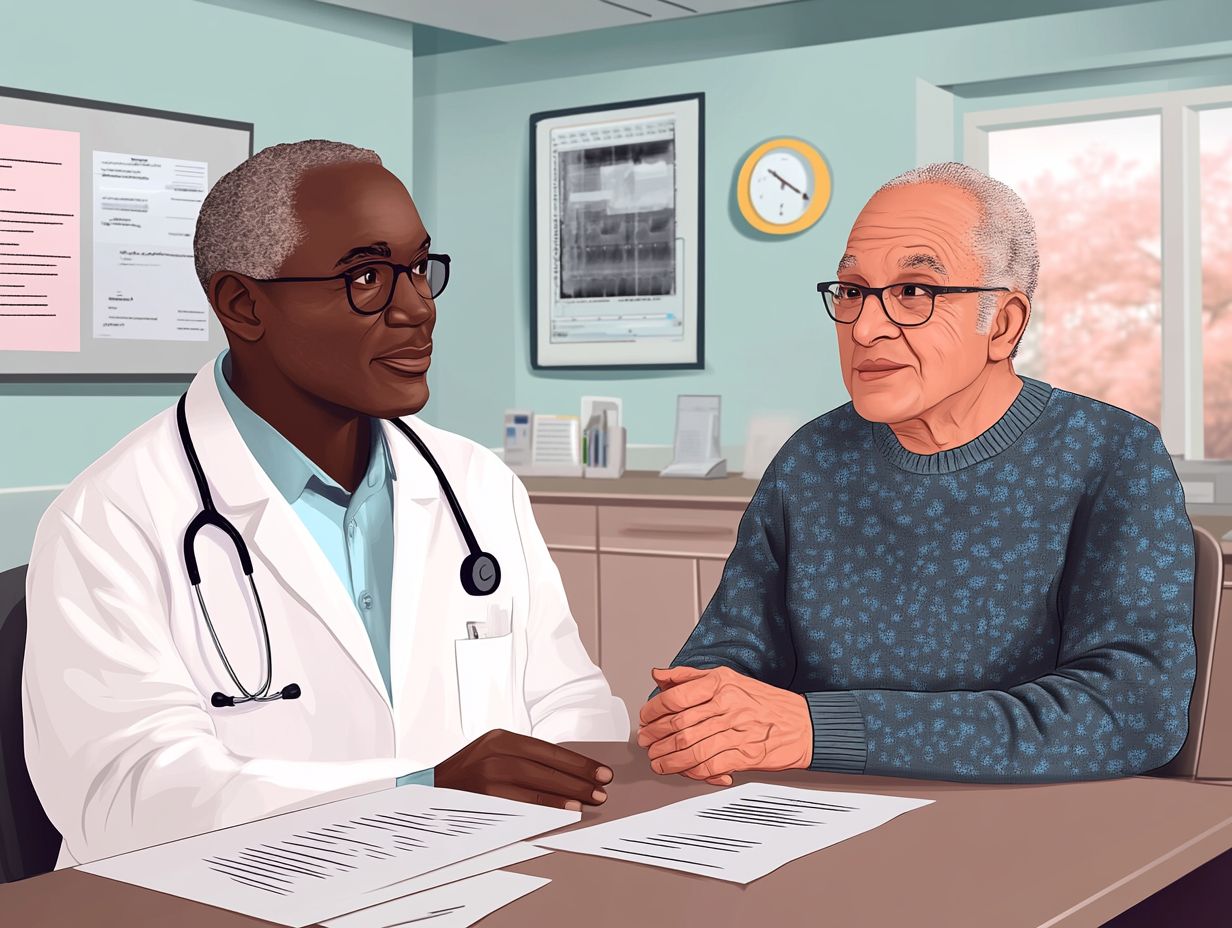
When facing cancer treatment as a senior, it’s essential to recognize that your care will be tailored to fit your unique health needs, age, and personal preferences. While treatments like surgery, chemotherapy, radiation, and immunotherapy remain foundational, they are carefully adapted to match your overall health and ability to tolerate therapy. This personalized approach ensures both safety and the best possible outcomes, supported by a thorough evaluation of your physical and emotional readiness. Understanding your options and accessing specialized resources can empower you to navigate treatment confidently and maintain the highest quality of life.
What Makes Cancer Treatment for Seniors Different?
As we age, our bodies change in ways that can affect how cancer treatments work and how side effects impact us. That’s why cancer care for seniors isn’t one-size-fits-all. Your healthcare team will consider your overall health, other medical conditions (called comorbidities), medications you are taking, and even your day-to-day mobility and strength before recommending treatments.
For example, if you have other health issues like heart or kidney problems, your treatment plan may be adjusted to reduce risks. Your doctors may also implement strategies such as fall prevention to keep you safe throughout your treatment journey. These personalized adjustments help make treatment effective yet gentle enough for your body’s abilities.
Learn more about how aging impacts cancer care from the National Cancer Institute.
Common Cancer Treatments Used for Seniors
Many standard cancer treatments are options for seniors, but balancing benefits and risks is key. Here’s a quick overview to help you understand each:
- Chemotherapy: Medicine used to kill cancer cells. The choice of drugs and doses may be adjusted for seniors to minimize side effects like nausea or fatigue.
- Radiation Therapy: Uses high-energy rays to target tumors. Treatment schedules may be shortened or modified to fit your tolerance.
- Immunotherapy: Boosts your immune system to recognize and fight cancer cells. It’s usually well-tolerated but requires close monitoring.
- Targeted Therapy: Uses drugs designed to attack specific cancer cell features, possibly causing fewer side effects than traditional chemotherapy.
- Clinical Trials: Opportunities to try new treatments under research. Participating may provide access to cutting-edge therapies not widely available yet.
Your healthcare team will recommend the best treatment combination based on your cancer type, stage, and overall health.
Preparing Yourself for Treatment
Starting cancer treatment is a big step, and it’s important to feel ready both physically and emotionally. Your medical team will assess your strength, mobility, and how well your organs are functioning. They might use special tests such as the Comprehensive Geriatric Assessment to guide treatment planning.
Equally important is your emotional well-being. Support from counselors, social workers, or support groups can help address concerns or fears about treatment. Remember, talking openly with your healthcare team about any worries or past experiences will help them tailor your care to your comfort.
For ideas on preparing emotionally, check out resources from the American Cancer Society.
Understanding and Managing Side Effects
Cancer treatments can cause side effects, but knowing what to expect and how to manage them makes a big difference. Common side effects in seniors may include:
- Fatigue: Feeling tired is common. Prioritize rest and gentle activity when possible.
- Nausea and Appetite Changes: Your doctor can prescribe medications to reduce nausea and recommend nutrition tips.
- Increased Infection Risk: Some treatments lower your body’s ability to fight infections, so good hygiene and prompt reporting of symptoms are vital.
- Skin Irritation or Sensitivity: Especially with radiation therapy. Protect your skin and follow care instructions.
Always inform your healthcare team about any new or worsening symptoms to receive timely support.
Where to Find Support and Additional Resources
You’re not alone in this journey. Many specialized cancer care teams focus on senior patients, offering comprehensive care that includes medical treatment, rehabilitation, and emotional support. Services may include transportation to appointments, home care assistance, and financial counseling to ease stress during treatment.
Organizations such as the American Cancer Society and National Comprehensive Cancer Network (NCCN) provide patient-friendly guides and support networks tailored to older adults.
Frequently Asked Questions
Will my age prevent me from getting effective cancer treatment?
No. Age alone should not limit your access to cancer treatments. Advances in personalized care mean that seniors can often receive effective therapies tailored to their unique health status and goals. It’s important to work closely with your healthcare team to find the best options for you.
What should I discuss with my doctor before starting treatment?
Talk about your overall health, other medical conditions, medications, lifestyle, and treatment goals. Ask about possible side effects and how they may affect your daily life. Sharing your emotional concerns and support system can also help your team create a plan suited to you.
Are there supportive services available for seniors undergoing cancer treatment?
Yes, many hospitals and cancer centers offer specialized programs for seniors, including counseling, nutrition support, transportation, and physical therapy. Community organizations also provide financial assistance and emotional support. Don’t hesitate to ask your healthcare team about available resources.
Can I participate in clinical trials as a senior?
Absolutely. Clinical trials often include senior participants and can offer access to new treatments. Your doctor can help determine if a trial is a good fit based on your health and cancer type.
Are complementary therapies safe to use during cancer treatment?
Some complementary therapies may help with symptoms or improve well-being, but always discuss any new treatments or supplements with your doctor to avoid interactions with your cancer treatment.
For more detailed information on cancer care in seniors, visit the National Cancer Institute’s guide on older adults with cancer.