If you’re dealing with cancer or recovering from treatment, a cancer rehabilitation program can help you move better, feel stronger, manage pain and fatigue, and get back to more of the activities that matter to you. These programs bring together physical, emotional, and practical support so you’re not facing recovery alone—and you don’t have to wait until treatment is “over” to start.
Key Takeaways:
- Cancer rehabilitation addresses physical, emotional, and cognitive challenges caused by cancer and its treatment.
- Common services include physical, occupational, and speech therapy, pain and fatigue management, and nutritional counseling.
- You can benefit from rehab at any stage: before, during, or after treatment.
- When choosing a program, look for individualized care, an experienced oncology team, and strong support services for you and your caregivers.
Understanding Cancer Rehabilitation Programs

Cancer rehabilitation programs are designed to help you function as well as possible during and after cancer treatment. Instead of focusing only on the tumor, rehab focuses on you as a whole person—your strength, energy, thinking, emotions, and daily life.
These programs are usually provided by a team that may include doctors, nurses, physical and occupational therapists, speech-language pathologists, psychologists, social workers, and dietitians. They work together with your oncology team to:
- Manage side effects such as pain, fatigue, and weakness
- Improve your mobility, balance, and endurance
- Support your emotional and cognitive health
- Help you return to work, school, hobbies, and family roles
Many cancer centers and rehabilitation organizations offer these services. You can read more about cancer rehab from the National Cancer Institute.
What Is Cancer Rehabilitation?
Cancer rehabilitation is a personalized set of services that help you regain function and quality of life before, during, or after cancer treatment. You might hear it called “oncology rehab” or “cancer physiatry services.”
Depending on your needs, cancer rehab may include:
- Physical therapy to address weakness, stiffness, balance problems, neuropathy, and deconditioning
- Occupational therapy to help with dressing, bathing, cooking, work tasks, and using adaptive tools
- Speech and swallowing therapy to help with speaking clearly, memory and thinking, and safe eating and drinking
- Cognitive and psychological support for “chemo brain,” anxiety, depression, and coping with life changes
- Nutritional counseling to support healing, maintain weight and muscle, and manage treatment-related appetite or digestion issues
If you feel like your body or mind “isn’t the same” after cancer treatment, cancer rehabilitation is often the place where those concerns are addressed in a focused, practical way.
Types of Cancer Rehabilitation
Most people benefit from a mix of services. Your team will tailor a plan based on your cancer type, treatments, and personal goals.
-
Physical Therapy (PT): Helps you improve strength, endurance, balance, and mobility so you can walk, climb stairs, and move more confidently.
-
Occupational Therapy (OT): Focuses on daily living skills—things like bathing, dressing, cooking, working, and driving—so you can stay as independent as possible.
-
Speech-Language Therapy: Addresses speech, language, cognition, and swallowing problems that may result from surgery, radiation, chemotherapy, or brain involvement.
-
Pain Management: Uses medications, physical methods, and psychological strategies to reduce pain and help you stay active and engaged in life.
-
Nutritional Counseling: Provides guidance on what and how to eat to support healing, maintain strength, manage weight, and cope with treatment-related issues like nausea or taste changes.
Together, these therapies aim to restore as much independence as possible and help you live well with or after cancer. The Mayo Clinic offers additional information on survivorship and rehab services.
Physical Therapy
If cancer or its treatment has affected how you move, physical therapy can be especially helpful. You might benefit from PT if you are feeling weaker, more tired, unsteady, or less active than before.
In cancer rehab, physical therapists can help you:
- Rebuild strength and endurance with safe, tailored exercise programs
- Improve flexibility and reduce joint stiffness from surgery, radiation, or inactivity
- Address balance problems and reduce your risk of falls
- Manage neuropathy (numbness or tingling) in hands and feet
- Gradually increase your activity level so you can return to work, caregiving, or hobbies
Your PT plan is based on your current abilities and medical history. It should never be “one-size-fits-all.” Expect your therapist to adjust exercises as you progress or if treatment side effects change.
Occupational Therapy
Occupational therapy focuses on what you need and want to do every day. If you’re struggling with fatigue, weakness, or difficulty using your hands, OT can be a game-changer.
An occupational therapist can help you:
- Find easier ways to bathe, dress, cook, clean, or care for children or older adults
- Use adaptive equipment (like grab bars, reachers, or special utensils) to stay independent
- Organize your day and conserve energy so you don’t feel completely drained
- Return to work or school with appropriate modifications or accommodations
- Manage “chemo brain” issues, such as forgetfulness or trouble focusing
If you feel like everyday tasks are taking too much out of you, ask your oncologist for a referral to OT.
Speech-Language Therapy
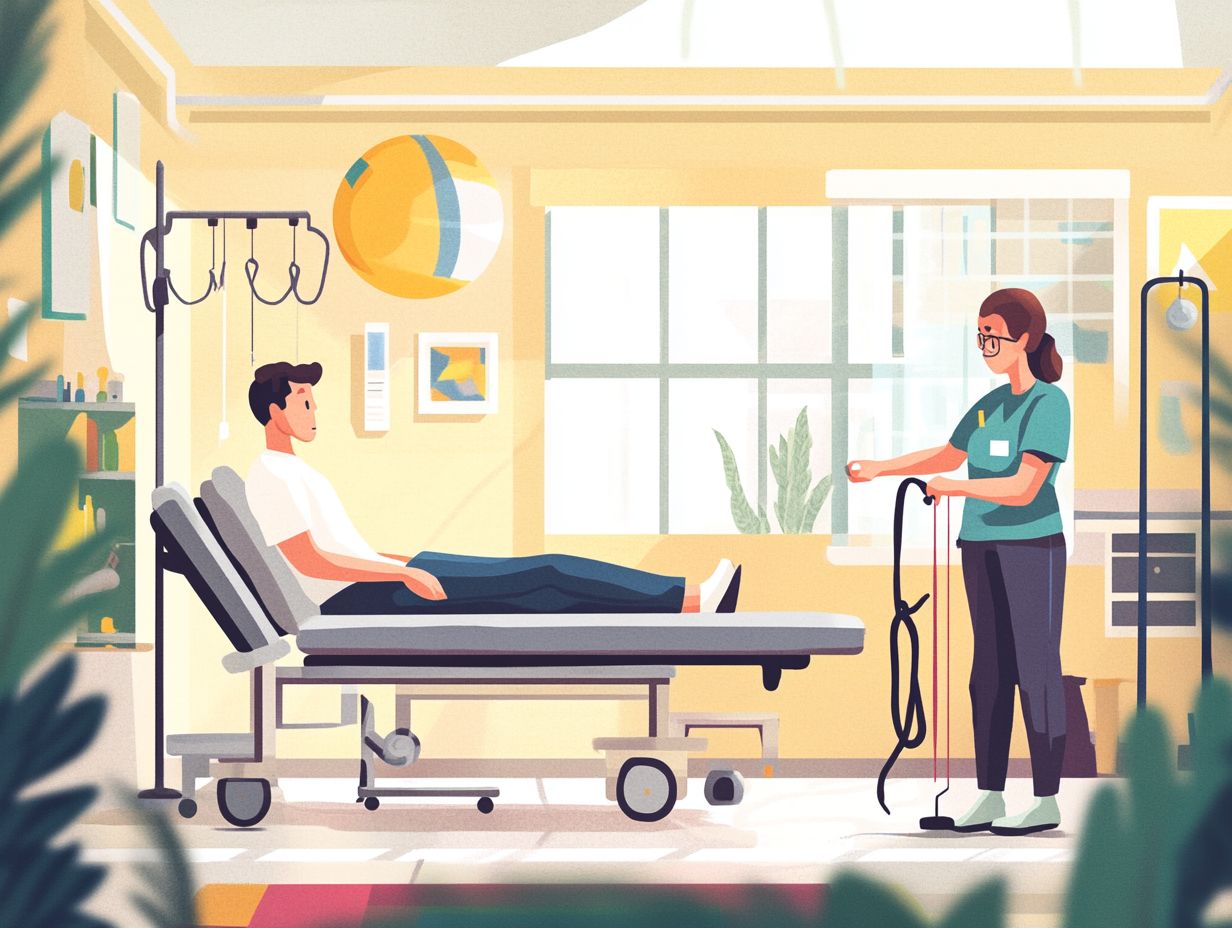
Speech-language pathologists (SLPs) do much more than help with speech. In cancer rehab, they often work with people who have head and neck cancers, brain tumors, or have had treatments that affect the mouth, throat, or brain.
An SLP can help you:
- Improve speech clarity if your voice or articulation has changed
- Address swallowing difficulties to reduce choking and pneumonia risk
- Manage dry mouth or changes in saliva that affect eating and speaking
- Work on memory, attention, and problem-solving skills if you have “chemo brain” or brain involvement
- Learn communication strategies if you feel easily overwhelmed in conversations
Therapy usually includes targeted exercises, strategies for eating and speaking more safely, and education for you and your caregivers.
Pain Management
Pain is common during and after cancer treatment—but you do not have to “just live with it.” Effective pain management can dramatically improve your quality of life and your ability to stay active.
In a cancer rehabilitation program, pain may be managed with:
- Medications: Such as acetaminophen, NSAIDs, nerve pain medications, or opioids when appropriate
- Physical methods: Exercise, stretching, manual therapy, heat/cold, and posture training
- Cognitive and psychological strategies: Coping skills, relaxation techniques, and cognitive behavioral therapy (CBT)
Your team will work with you to balance pain relief with safety and side effects. According to the American Cancer Society, well-managed pain can also help you sleep better, move more, and tolerate your treatments more easily.
Benefits of Cancer Rehabilitation
Cancer rehabilitation is about much more than exercise. It aims to support your whole life during and after cancer care.
Some common benefits include:
- Improved strength, balance, and physical endurance
- Better management of fatigue, pain, and neuropathy
- Improved mood, confidence, and coping skills
- Easier return to work, school, or caregiving roles
- Greater independence in daily activities
Improving Quality of Life
You may not be able to control every aspect of cancer, but rehab can help you regain a sense of control over your body and your day-to-day life.
High-quality cancer rehab programs often include:
- Emotional support: Counseling, support groups, and stress-management techniques
- Lifestyle guidance: Safe exercise plans and nutrition advice tailored to your needs
- Education: Clear explanations of what’s happening in your body and what you can do about it
These elements work together to reduce isolation, build confidence, and help you feel more like yourself again.
Managing Side Effects of Treatment
If you’re living with fatigue, brain fog, weakness, or pain, rehab can help you manage these side effects more effectively. Your team may recommend:
- Targeted exercises to rebuild strength and improve coordination
- Energy-conservation strategies to help you pace your day
- Breathing and relaxation techniques to reduce anxiety and tension
- Dietary changes to manage nausea, constipation, diarrhea, or weight changes
By addressing side effects early, you may be able to stay on track with your cancer treatment and maintain a better quality of life.
How to Choose a Cancer Rehabilitation Program
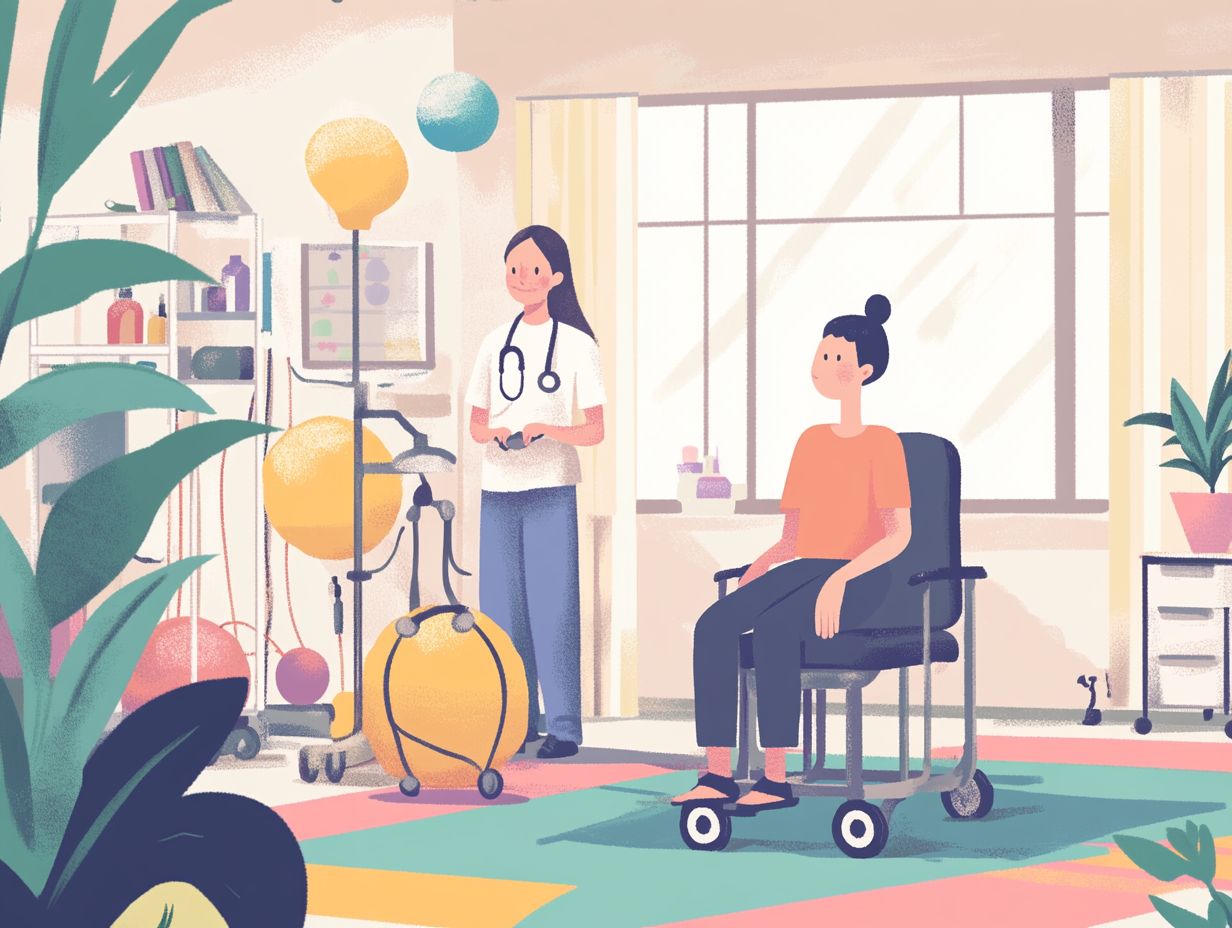
If you’re considering cancer rehab, it’s reasonable to ask, “How do I know which program is right for me?” Here are some practical steps and questions to ask.
- Look for individualized care: Ask whether your program creates personalized treatment plans based on your diagnosis, treatments, and goals.
- Ask about the team’s experience: Make sure the therapists and physicians are trained in oncology rehabilitation and familiar with your type of cancer and treatment.
- Review available services: Check whether the program offers physical therapy, OT, speech therapy, nutrition, mental health support, and caregiver training.
- Consider location and format: Ask if services are available inpatient, outpatient, via home health, or through telehealth—whichever best fits your situation.
Factors to Consider
When you talk with a potential program, you might ask questions such as:
- Will I have a cancer navigator or coordinator to help organize my care?
- How often will I be seen, and for how long?
- Can my caregivers be involved in sessions and training?
- How do you communicate with my oncology team?
- Do you help with insurance authorizations and financial questions?
Programs that offer a wide range of services—physical therapy, nutrition, psychological support, and caregiver education—can usually provide more comprehensive support.
What to Expect from a Cancer Rehabilitation Program
Knowing what to expect can make starting rehab feel less overwhelming.
In most programs, you can expect:
- An initial evaluation of your medical history, current symptoms, and goals
- Physical, functional, and (if needed) cognitive testing to understand your starting point
- A written treatment plan outlining what you’ll work on and how often
- Education for you and your caregivers about exercises, safety, and self-care
- Ongoing follow-ups to track progress and adjust your plan as needed
Treatment Plan and Goals
Your treatment plan should be a collaboration between you and your rehab team. Together, you’ll set:
- Short-term goals such as walking a certain distance, climbing stairs, or managing pain better
- Long-term goals such as returning to work, driving, or resuming specific hobbies
Your plan may change over time as your cancer treatment changes or as you get stronger. Regular check-ins help keep your care aligned with your needs and priorities.
Support Services Available
Comprehensive cancer rehab often includes services beyond therapy sessions, such as:
- Caregiver training: Teaching family members safe ways to help with transfers, mobility, and daily care
- Dietitian support: Personalized meal planning and guidance during and after treatment
- Mental health resources: One-on-one counseling, support groups, mindfulness training, or spiritual care
- Social work or navigation services: Help with transportation, finances, workplace issues, and community resources
These supports are designed to help both you and your loved ones navigate life during and after cancer.
Frequently Asked Questions

What should I know before starting a cancer rehabilitation program?
Before starting, it helps to know your main concerns—such as pain, fatigue, weakness, or difficulty with daily activities—and what you’d most like to improve. Bring a list of your medications, surgeries, and treatments, and be honest about your symptoms and limits. Your rehab team will use this information to build a plan that’s safe and realistic for you.
What types of therapies are usually included, and who provides them?
Most cancer rehab programs include physical therapy, occupational therapy, and speech-language therapy, along with psychological and nutritional support. These services are provided by licensed professionals who specialize in oncology rehabilitation, often overseen by a physician with training in physical medicine and rehabilitation (a physiatrist) or by your oncology team.
Do I have to finish treatment before I can start cancer rehabilitation?
No. Many people start rehabilitation during chemotherapy, radiation, or immunotherapy. Early rehab can help you stay stronger, manage side effects better, and sometimes tolerate treatment more easily. Ask your oncologist if there are any activity restrictions you should follow, and share those with your rehab team.
How do I know if I would benefit from a cancer rehab program?
You may benefit if you are experiencing any of the following:
- New or worsening weakness, stiffness, or balance problems
- Difficulty walking, climbing stairs, or doing daily tasks
- Ongoing pain, fatigue, or shortness of breath
- Changes in memory, concentration, speech, or swallowing
- Emotional distress, anxiety, or feeling “stuck” after treatment
If any of this sounds familiar, ask your oncologist, primary care provider, or a cancer navigator for a referral to a cancer rehabilitation program.
Are cancer rehabilitation services covered by insurance?
Many insurance plans—including Medicare and Medicaid in the United States—cover some or all of the costs of medically necessary rehabilitation services (such as PT, OT, and speech therapy). Coverage varies by plan and country, so it’s important to:
- Call your insurance provider to ask which services and providers are covered
- Ask the rehab program if they verify benefits and help with prior authorizations
- Check whether there are limits on the number of visits
Can my family members or caregivers be involved?
Yes. Many programs encourage caregivers to join certain sessions. They can learn safe ways to assist you, understand your limitations and goals, and receive their own support and education. Including caregivers often leads to better outcomes for both you and your loved ones.