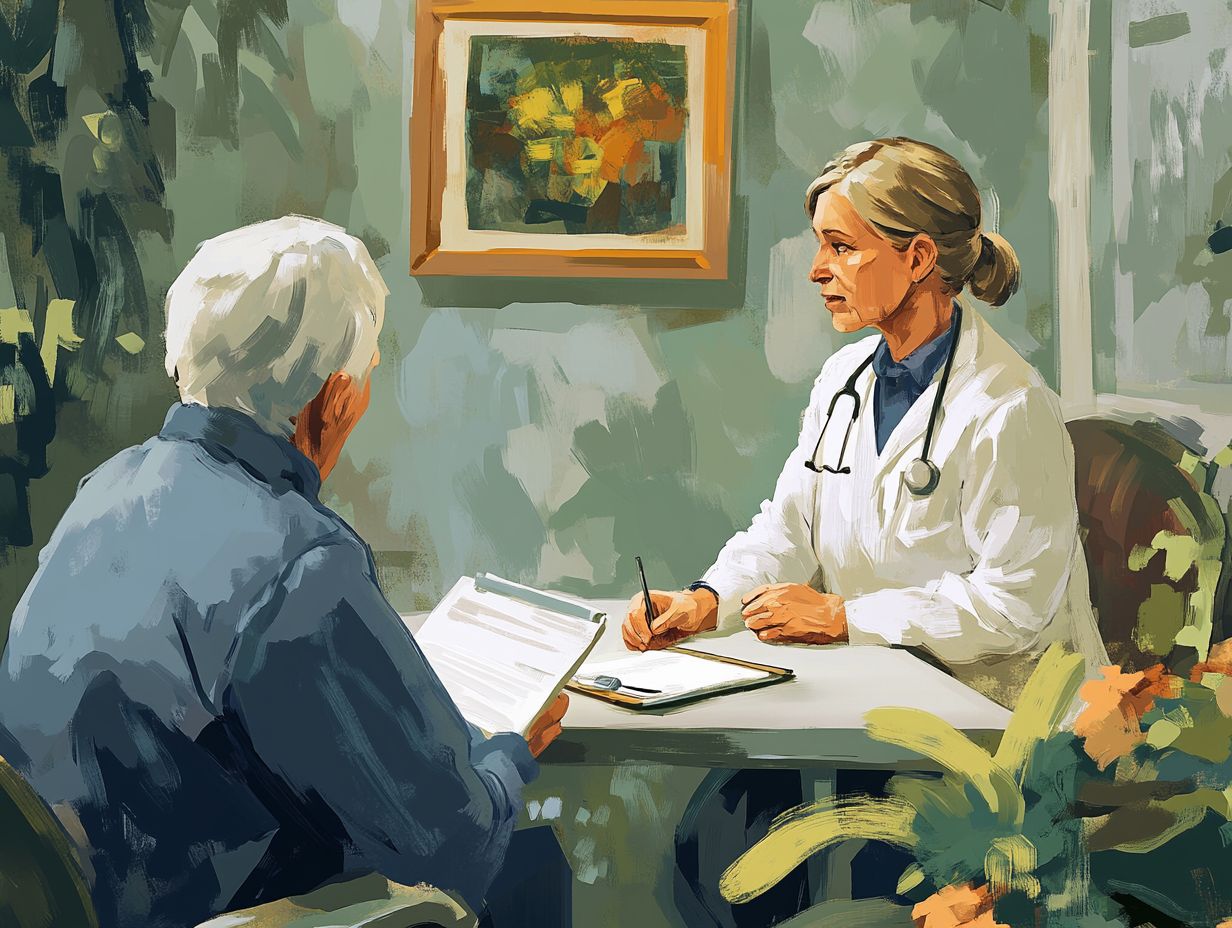
If you or an older loved one is facing cancer, you may be wondering what’s “normal” with aging and what needs urgent attention. Cancer is more common in later life, but it is not an inevitable part of getting older. This guide walks you through how aging affects cancer risk, which cancers are most common in older adults, what symptoms to watch for, how diagnosis and treatment are tailored for seniors, and what you can do now to prevent problems and protect quality of life.
Understanding Cancer in the Elderly
Cancer in older adults is common, but every person’s situation is unique. Age often comes with other health conditions (like heart disease, diabetes, or arthritis), changes in strength and mobility, and different personal goals. All of this means that cancer care in the elderly should never be “one-size-fits-all.”
If you are over 65, or caring for someone who is, it can help to know that many older people do very well with cancer treatment when it is carefully planned and monitored.
How Aging Affects Cancer Risk and Treatment
As you age, your risk of cancer increases because:
- Cells have had more time to collect genetic changes (mutations).
- Your body has been exposed longer to environmental factors such as tobacco, pollution, alcohol, and sunlight.
- Natural repair systems and immune defenses may become less efficient.
According to the National Cancer Institute, most cancers are diagnosed in people aged 65 and older.
Age also affects cancer treatment. If you are older, your cancer team will usually:
- Review all your other medical conditions (for example, heart disease, kidney problems, lung disease).
- Assess your strength, mobility, memory, and ability to manage daily tasks (sometimes called a “geriatric assessment”).
- Consider how treatments might affect your independence and quality of life.
This is why guidelines from expert groups such as the American Society of Clinical Oncology (ASCO) and the World Health Organization encourage shared decision-making. That means your doctors should talk with you about what matters most to you – for example, living longer, staying independent, avoiding certain side effects – and choose a plan that fits your goals.
Common Types of Cancer in the Elderly
Some cancers are especially common in people over 65. If you are an older adult, it is helpful to know which ones to pay attention to and what screening tests might be recommended.
Common cancers affecting the elderly include:
- Breast cancer
- Prostate cancer
- Lung cancer
- Colon (colorectal) cancer
- Bladder cancer
- Skin cancers, including melanoma
Prevalence and Characteristics
Nearly 60% of all cancer diagnoses occur in people aged 65 and older, and this proportion is expected to increase as populations age. Many older adults have more than one medical condition at the same time, which can make treatment more complex but not impossible.
For example:
- Prostate cancer often grows slowly, so for some older men with other serious health problems, “active surveillance” (careful monitoring instead of immediate treatment) may be the best option.
- Early breast, colon, or lung cancers can often be treated effectively, sometimes with surgery or targeted treatments that are adjusted to your health status.
You can find age-specific information on different cancers on reputable sites such as the American Cancer Society and Mayo Clinic.
Signs and Symptoms of Cancer in the Elderly
Spotting cancer early can make treatment simpler and more successful. If you are older, it can be easy to blame new symptoms on “just getting old,” but certain changes should always be checked.
Recognizing Warning Signs
You should contact your doctor if you notice any of the following, especially if they last more than a few weeks:
- Unexplained weight loss (without trying)
- Persistent pain in one area (such as the back, chest, or abdomen)
- Persistent cough or hoarseness that does not go away
- Unusual bleeding (for example, from the rectum, in urine, coughing up blood, or abnormal vaginal bleeding)
- Changes in bowel or bladder habits (new constipation, diarrhea, or needing to urinate more often or urgently)
- New or changing lumps in the breast, testicles, neck, or elsewhere
- New or changing moles or skin lesions
- Extreme tiredness (fatigue) that is not explained by other causes
- Loss of appetite or feeling full quickly
During routine check-ups, ask your doctor to review any ongoing symptoms, even if they seem minor to you. Regular assessments and age-appropriate screening tests can help detect cancer earlier, when it is often more treatable.
The National Cancer Institute has a helpful overview of common cancer symptoms to watch for.
Diagnosing Cancer in the Elderly
Diagnosing cancer in older adults sometimes requires extra care. Symptoms may be vague (like fatigue or weight loss), or other conditions may mask or mimic cancer. Some people also worry about tests being “too much” for them.
Challenges and Diagnostic Tools
When you are older, cancer diagnosis can be more challenging because:
- Existing illnesses (such as heart failure or lung disease) may make symptoms confusing.
- Standard tests (like certain scans or biopsies) may need to be modified or performed more carefully.
- Some older adults under-report symptoms, assuming they are just part of aging.
Your healthcare team may use a range of tools to diagnose cancer safely and accurately, including:
- Advanced imaging (CT, MRI, PET scans, ultrasound) to look for tumors.
- Biopsy procedures to examine a small sample of tissue under the microscope.
- Blood tests and biomarkers to look for cancer-related substances in the blood.
- Telemedicine visits to review symptoms and test results if travel is difficult.
- Patient-reported questionnaires on symptoms, function, and quality of life.
Ideally, your care is overseen by a team with expertise in geriatric oncology (cancer care for older adults), who can balance the benefits of testing with your comfort, safety, and preferences.
Treating Cancer in the Elderly
Cancer treatment in older adults should always be individualized. Instead of focusing only on age, your team should look at your overall health, functional abilities, support system, and what you want from treatment.
Many older adults can safely receive surgery, chemotherapy, radiation, immunotherapy, or targeted therapies – sometimes at full doses and sometimes with adjustments.
Considerations for Treatment Options
When your doctors discuss treatment options with you, they will usually consider:
- Your overall health – including heart, lung, kidney function, and any conditions like diabetes or high blood pressure.
- Your level of frailty – how easily you can walk, climb stairs, manage daily tasks, and live independently.
- Your personal goals – for example, prioritizing living as long as possible, maintaining independence, reducing pain, or avoiding hospital visits.
- Potential side effects – and how likely you are to tolerate them.
Possible treatment approaches include:
- Surgery – may be suitable if you are reasonably fit and the cancer is localized.
- Radiation therapy – can be used to cure some cancers or relieve symptoms such as pain or bleeding.
- Chemotherapy – often adjusted in dose or schedule for older adults, depending on kidney function and frailty.
- Targeted therapy and immunotherapy – may offer effective treatment with different side effect profiles than standard chemotherapy.
- Supportive or palliative care – focuses on comfort, symptom control, and quality of life, and can be provided alongside active cancer treatment.
Open communication is essential. Do not hesitate to ask:
- “What are the benefits and risks of this treatment for someone my age and health?”
- “How will this affect my daily life?”
- “What are my options if I prefer a less aggressive approach?”
The National Cancer Institute offers a clear overview of different cancer treatment types you can review before or after appointments.
Support and Resources for Elderly Cancer Patients
Support for older adults with cancer goes far beyond medical treatment. If you are an elderly patient – or caring for one – practical, emotional, and social support can make a big difference in coping and maintaining quality of life.
Emotional and Practical Support Available
You may benefit from:
- Counseling or psychotherapy to help manage anxiety, depression, or fear related to diagnosis and treatment.
- Support groups (in-person or online) where you can talk with other older adults facing cancer.
- Social workers and patient navigators who help organize appointments, paperwork, and community resources.
- Home care services to assist with bathing, dressing, meal preparation, and medications.
- Transportation assistance to get to and from treatments.
Organizations that can help include:
- American Cancer Society – offers rides to treatment in some areas, lodging, and support programs.
- National Cancer Institute – Coping with Cancer – provides information on emotional support, practical issues, and caregiving.
Your healthcare team can usually connect you with local agencies, volunteer services, and charities that specialize in helping elderly people with cancer stay safe and supported at home.
Preventing Cancer in the Elderly
Even in older age, it is not “too late” to lower your cancer risk and protect your health. Lifestyle changes and age-appropriate screening can still make a meaningful difference.
Lifestyle Changes and Screening Recommendations
You may reduce your cancer risk and improve overall health by:
- Not smoking – Quitting tobacco at any age lowers your risk of lung and other cancers and improves heart and lung health.
- Limiting alcohol – Heavy drinking increases the risk of several cancers.
- Maintaining a healthy, balanced diet – Focus on:
- Plenty of fruits and vegetables
- Whole grains (like oats, brown rice, whole wheat)
- Lean proteins (fish, beans, poultry)
- Limiting processed meats and sugary drinks
- Staying physically active – Even gentle movement helps:
- Walking
- Swimming or water aerobics
- Light strength exercises or balance classes (such as tai chi)
- Protecting your skin – Use sunscreen, wear hats and protective clothing, and avoid tanning beds.
For screenings (tests to find cancer early), recommendations depend on your age, overall health, and life expectancy. Common screenings include mammograms for breast cancer, colonoscopy or stool tests for colorectal cancer, and low-dose CT scans for some people at high risk of lung cancer.
Ask your doctor:
- “Which cancer screenings still make sense for me at my age?”
- “When should I stop certain screenings?”
Guidance from organizations such as the U.S. Preventive Services Task Force and national health systems (such as the NHS Long Term Plan in the UK) helps doctors tailor screening to your individual situation.
Frequently Asked Questions
What should I know about cancer in the elderly?
Cancer becomes more common as people age, but it is not a normal or unavoidable part of getting older. If you are an older adult, you may have other health issues that affect how cancer is diagnosed and treated, so your care should be personalized. Early detection, open communication with your healthcare team, and attention to quality of life are especially important.
What are the most common types of cancer in the elderly?
The cancers most often seen in older adults include breast, prostate, lung, and colorectal (colon and rectal) cancers, as well as bladder and skin cancers. However, older adults can develop almost any type of cancer. If you have a family history of a particular cancer, or symptoms that worry you, talk with your doctor about your individual risk and whether you need screening.
What are the main risk factors for cancer in older adults?
Age is the single biggest risk factor because the body’s ability to repair DNA damage declines over time and exposure to cancer-causing factors builds up. Other important risk factors include smoking, heavy alcohol use, obesity, lack of physical activity, certain infections, and inherited genetic changes. Long-term conditions such as chronic inflammation or immune problems can also increase risk.
How is cancer treated in the elderly?
Treatment depends on the type and stage of cancer and on your overall health and preferences. Options may include surgery, radiation therapy, chemotherapy, hormone therapy, targeted therapy, immunotherapy, or combinations of these. In older adults, doctors often adjust doses, schedules, or even the choice of treatment to reduce side effects and maintain independence. Your primary care team and specialists should work together to coordinate care.
Are there unique challenges in treating cancer in older people?
Yes. Older adults are more likely to have multiple health conditions, take many medications, and have reduced strength or organ function, all of which can affect how they tolerate treatment. They may also be more vulnerable to side effects such as fatigue, falls, or confusion. This is why a thorough assessment and a personalized plan are so important, and why involving caregivers and family can help support safe, effective treatment.
What can I do to lower my cancer risk as I get older?
While there is no guaranteed way to prevent cancer, you can lower your risk by not smoking, limiting alcohol, eating a healthy diet rich in plant-based foods, staying physically active, maintaining a healthy weight, protecting your skin from the sun, and keeping up with recommended screenings. Even small changes, started later in life, can improve your overall health and may reduce cancer risk.