Radiation therapy is a common and effective cancer treatment that uses high-energy beams, like X-rays or proton radiation, to target and destroy cancer cells with minimal harm to healthy tissues. Whether used alone or alongside chemotherapy, radiation therapy involves carefully planned sessions tailored to your specific cancer type and health status. Understanding the treatment process, what happens during each session, and how to manage potential side effects can help you feel more confident and prepared throughout your cancer journey.
What is Radiation Therapy?
Radiation therapy treats cancer by directing powerful energy beams at tumors to kill cancer cells and shrink tumors. This treatment can be given externally, where a machine outside your body aims radiation precisely at the cancer, or internally through brachytherapy, which involves placing a small radioactive source close to or inside the tumor.
Your treatment plan is developed by a radiation oncologist, a doctor specialized in this therapy, who considers factors such as your cancer type, location, overall health, and genetic information to tailor the approach best suited for you. Radiation can be used before surgery (neoadjuvant), after surgery (adjuvant), or as a primary treatment depending on your situation.
Learn more about radiation therapy from the National Cancer Institute.
Types of Radiation Therapy
External Beam Radiation Therapy
This is the most common form, where a machine called a linear accelerator directs high-energy beams (like photon or proton beams) at your tumor from outside the body. Precise imaging tests, such as CT or MRI scans, help your medical team accurately target the cancer, sparing healthy tissue as much as possible.
Internal Radiation Therapy (Brachytherapy)
In this technique, radioactive material is placed inside or very close to the tumor site, delivering a high dose of radiation directly to cancer cells. Brachytherapy is often used for cancers of the prostate, cervix, and some head and neck cancers where external beam radiation may be less effective.
For more detailed information, visit Mayo Clinic’s guide on brachytherapy.
Preparing for Radiation Therapy
Your preparation will begin with detailed medical imaging (CT, MRI, or PET scans) to map out the exact size, shape, and location of your tumor. You may also undergo blood tests and evaluations of overall health to ensure your body can tolerate therapy safely.
A simulation session often takes place before your treatments start. During this appointment, your radiation oncologist and care team design your personalized treatment plan and use imaging to pinpoint the exact areas for radiation. You’ll also discuss what to expect during therapy, possible side effects, and lifestyle adjustments.
If you have questions about this process, take advantage of your consultation and don’t hesitate to share any concerns or preferences.
What Happens During Radiation Therapy Sessions?
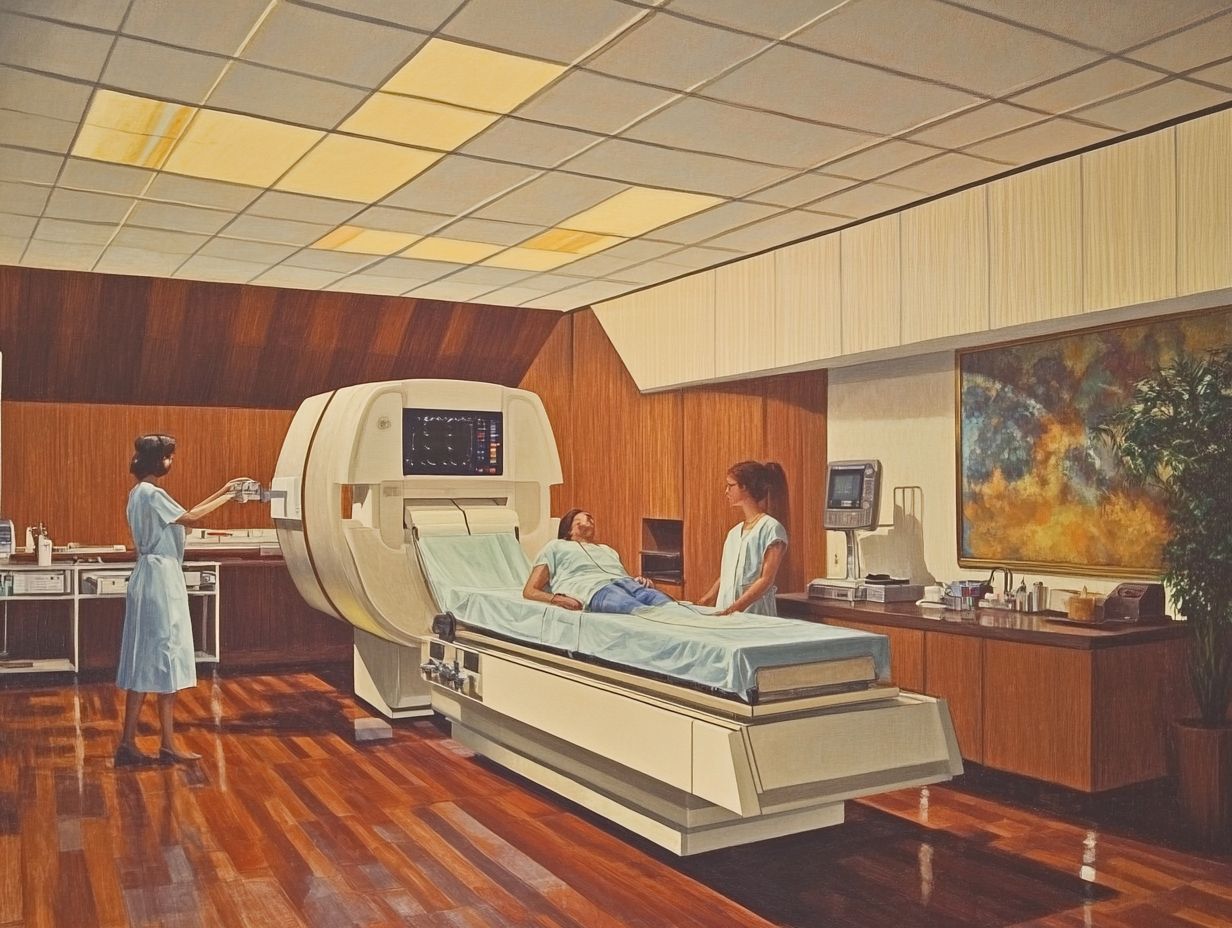
Each session usually lasts from 10 to 30 minutes. You will be positioned on a treatment table in the exact same way every time to ensure the radiation targets only the tumor area. It is important to remain still while the machine delivers radiation, which is painless and often likened to getting an X-ray.
Treatment schedules vary but typically involve daily sessions over several weeks. Your team will monitor you closely and adjust the treatment if necessary.
For an overview of the radiation therapy process, you can watch this informative video by Cancer Research UK.
Managing Side Effects During Radiation Therapy
Side effects vary depending on the radiation area, dose, and individual patient factors. Common issues include skin redness or irritation, fatigue, and changes in appetite.
You can manage skin irritation by using gentle, fragrance-free cleansers and moisturizers, and by wearing loose, comfortable clothing. To combat fatigue, balance rest with light activity, and maintain a healthy diet to support energy levels throughout treatment.
Your healthcare team can connect you with nutritionists, counselors, or support groups, which can be valuable resources during this time.
After Radiation Therapy: Follow-up and Recovery
Once your radiation therapy course concludes, you’ll have regular follow-up visits for monitoring your recovery, evaluating treatment effectiveness, and managing any lingering side effects. These visits may include physical exams, imaging, and blood tests.
If you notice ongoing fatigue, skin changes, or new symptoms, report them to your care team promptly. Individualized adjustments to your care plan help ensure the best possible outcomes and quality of life.
For ongoing support and detailed patient resources, exploring MD Anderson Cancer Center’s radiation oncology patient guide can be very helpful.
Frequently Asked Questions
What should I expect during radiation therapy?
You can expect a series of painless treatment sessions where high-energy radiation is precisely targeted at your cancer. Each session typically lasts a few minutes, but you’ll be at the center for about 30 minutes to ensure correct positioning.
Will radiation therapy cause side effects?
Many patients experience mild to moderate side effects such as fatigue, skin irritation, and appetite changes. Your care team will discuss these with you beforehand and offer strategies to manage them effectively.
Do I need to prepare specially for my radiation sessions?
Your doctor or radiation team will give you specific instructions, which may include wearing loose clothing or avoiding certain skin products. It’s important to follow their guidance to ensure the treatment’s accuracy and safety.
Can I continue with my normal daily activities during radiation therapy?
Most people can keep up with their usual routines during treatment, although you might feel more tired than usual. Listen to your body and rest when needed, and communicate with your care team about any limitations you experience.
How long after radiation therapy will I see results?
The effects on your cancer can vary. Some patients notice improvements quickly, while for others, it may take weeks or months. Follow-up visits help track your response and allow your doctors to make ongoing care decisions.