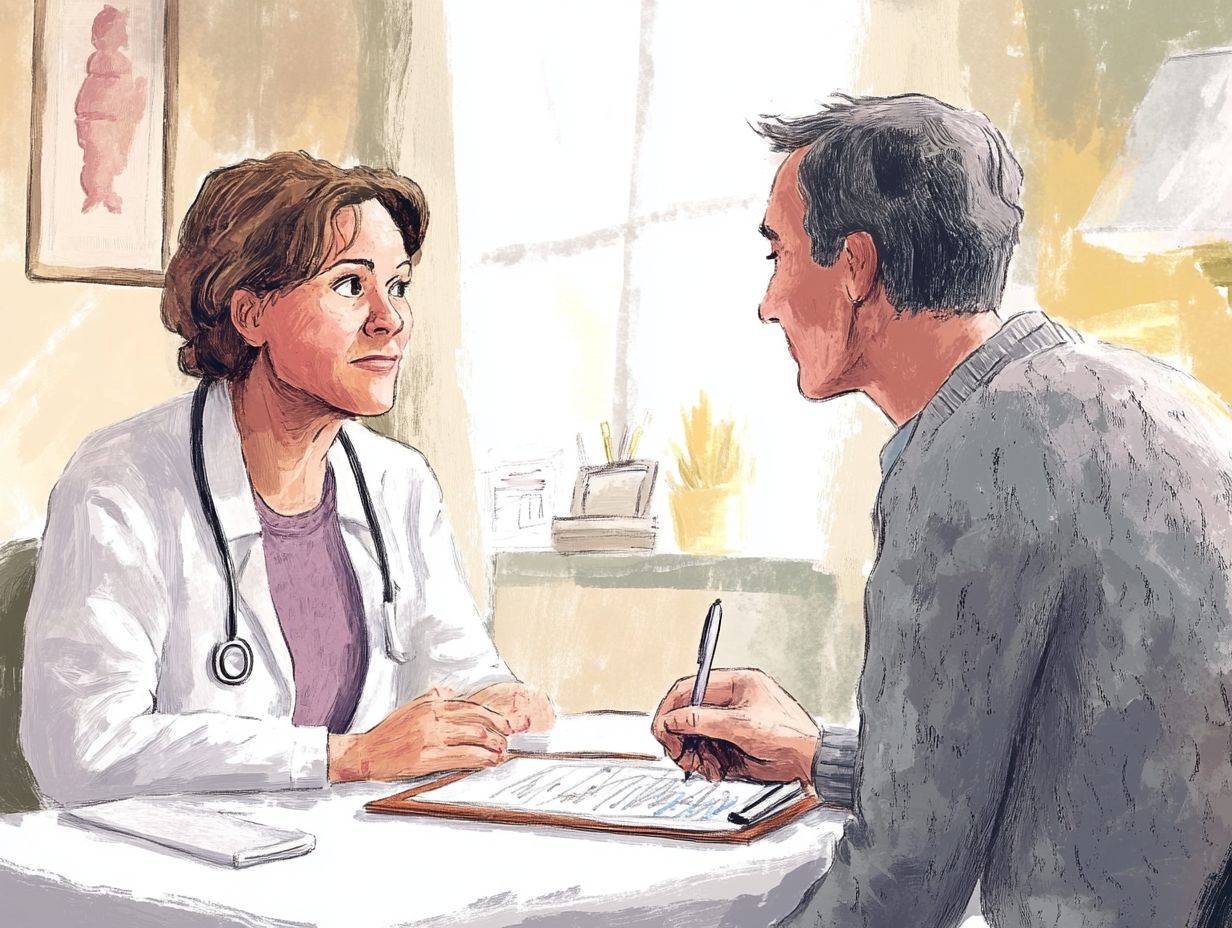
Wondering how to tell if your cancer treatment is truly making a difference? While every patient’s journey is unique, there are common signs that your therapy is working. These include measurable changes like shrinking tumors visible on scans, improved symptoms such as less pain and more energy, and normalized blood tests indicating your body is responding well. Understanding these signals can empower you to stay engaged with your healthcare team and make informed decisions throughout your treatment.
How Can You Recognize That Your Cancer Treatment Is Working?
1. Tumor Shrinkage Seen on Imaging Tests
One of the clearest signs your treatment is effective is a decrease in tumor size. Doctors often use imaging tools like CT scans and MRIs to track this. If scans show your tumors are getting smaller or stable, that’s a positive indication your cancer therapy—be it chemotherapy, targeted therapy, or immunotherapy—is working.
2. Improvement in How You Feel
You may notice less pain, reduced fatigue, or a boost in energy levels during treatment. Improvements like these suggest that your cancer is responding to therapy and that your quality of life is getting better. Sharing your symptoms honestly with your healthcare team helps them tailor treatments to your needs. Learn more about managing cancer symptoms from National Cancer Institute.
3. Normalized Blood Tests and Cancer Markers
Blood tests help your doctors measure how your body is responding. For example, cancer markers—specific proteins or substances related to tumor activity—often decrease when treatment is successful. Additionally, normalization of red and white blood cell counts can indicate improved overall health, better energy levels, and a stronger immune system.
4. Absence of New Tumors or Disease Progression
Follow-up imaging that shows no new tumors or cancer spread is great news. It means your current treatment is controlling the disease. Your doctors will use this information to decide whether to continue, adjust, or change your treatment plan.
5. Better Tolerance and Fewer Complications
If you find yourself better able to handle treatment side effects and have fewer cancer-related complications like infections or gastrointestinal issues, your body may be adjusting well. This can contribute to improved outcomes and help you stay on course during therapy.
6. Positive Feedback from Your Healthcare Team
Regular appointments allow your doctor to review all these signs, including your scans, labs, and how you feel. Receiving encouraging updates from your medical team can boost your confidence and keep you motivated throughout your treatment.
Understanding Your Cancer Treatment Options
Cancer treatment varies depending on your specific diagnosis but generally includes chemotherapy, immunotherapy, hormone therapy, surgery, and radiation therapy. Each works differently:
- Chemotherapy uses drugs to attack rapidly dividing cancer cells.
- Immunotherapy helps your immune system recognize and fight cancer.
- Hormone therapy blocks hormones that fuel certain cancers.
- Surgery removes tumors physically.
- Radiation therapy uses high-energy rays to destroy cancer cells.
Your healthcare team decides the best approach based on your cancer’s type, stage, and your overall health. For more detailed information, visit the Mayo Clinic’s cancer treatment overview.
How to Monitor Your Progress During Treatment
Monitoring your cancer treatment effectiveness involves a combination of regular imaging tests, blood work, symptom tracking, and ongoing communication with your healthcare professionals. These help assess how your body is responding and whether any adjustments are needed.
Don’t hesitate to ask your care team about your test results and what they mean. Being proactive and informed helps you stay an active partner in your care.
Frequently Asked Questions
What signs should I watch for to know my cancer treatment is working?
Look for shrinking tumors on scans, improvement in symptoms like pain or fatigue, decreased cancer markers in blood tests, better blood counts, and feedback from your doctor. These collectively suggest your treatment is effective.
How soon will I know if my treatment is working?
The timeline varies depending on your cancer type, stage, and how you respond to treatment. Sometimes changes appear within weeks, but for other cancers, it may take several months. Regular testing and consultations will provide answers over time.
Can side effects mean my treatment is working?
Some side effects, like fatigue or nausea, can occur even when treatment is effective. However, they should be carefully managed with your healthcare team to maintain your quality of life. Always report new or worsening symptoms promptly.
What if my cancer stops responding to treatment?
Cancer can sometimes become resistant to therapies. If tests or symptoms suggest your cancer is progressing, your doctors might recommend changing treatments. Staying engaged with your medical team helps ensure timely adjustments if needed.
How often should I have follow-ups to check my treatment progress?
Follow-up frequency depends on your individual treatment plan but typically involves appointments every few weeks to months. These visits often include blood tests, imaging, and symptom reviews to monitor your response closely.
For more comprehensive guidance, visit the National Cancer Institute’s treatment information page and consider viewing educational videos like those on Mayo Clinic’s YouTube channel.