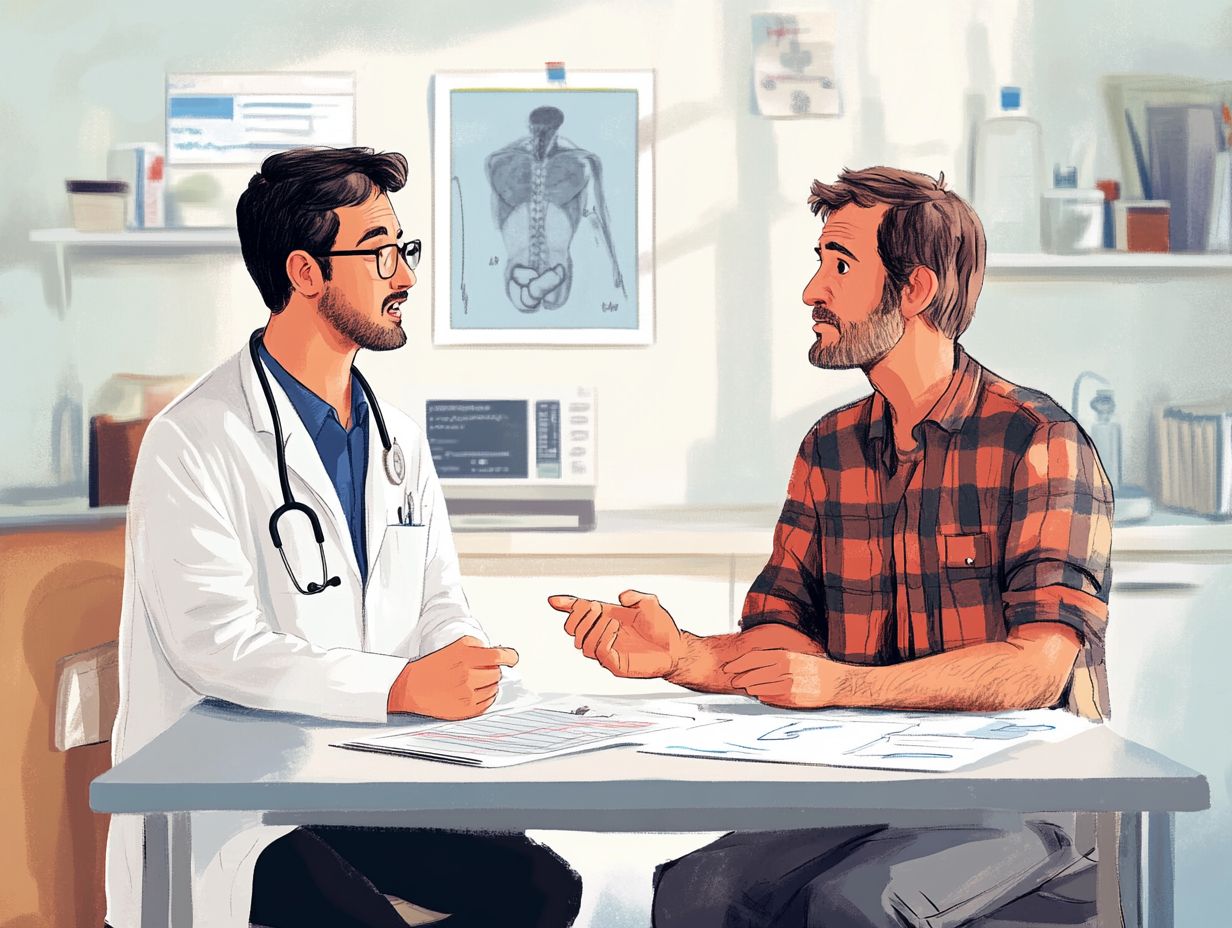
Delaying a cancer diagnosis can seriously affect your treatment options, increase the chance of cancer spreading, and complicate your overall health outcomes. Early detection not only improves survival rates but also can reduce how invasive your treatment might be, making recovery easier. Understanding the risks of diagnosis delay and taking steps to advocate for timely medical care can help you or your loved ones navigate the cancer journey more effectively and with greater confidence.
Why Timely Cancer Diagnosis Matters
If you or someone you care about notices possible cancer symptoms, getting a prompt diagnosis is critical. Delays can allow the cancer to progress to later stages, which makes treatment more difficult and less likely to succeed. For example, cancers like breast, lung, and colorectal cancer can grow aggressively and spread if not caught early.
Early diagnosis often means less aggressive treatments such as localized surgery or targeted radiation instead of extensive chemotherapy or major surgery. This can lead to quicker recovery and a better quality of life.
Moreover, waiting too long to diagnose cancer may increase not just physical risks but emotional stress and financial burden for patients and families. Anxiety over uncertain health and higher medical costs add to the challenges of coping with cancer.
The Hidden Risks of Delaying Cancer Diagnosis
1. Missed Treatment Opportunities
When diagnosis is delayed, cancer can reach advanced stages where some effective treatment options may no longer be viable. Missing the window for early intervention can significantly reduce your chances of remission or cure. Factors like limited awareness of cancer signs, socioeconomic barriers, or gaps in healthcare access may contribute to these delays.
Raising public awareness and improving access to care are essential to spotting cancer symptoms early and starting treatment promptly. For reliable symptom guides, the National Cancer Institute offers trusted resources.
2. Increased Risk of Cancer Spread
If cancer isn’t caught early, there’s a higher chance it can spread (metastasize) to other parts of the body. This makes treatment much more complex and lowers survival rates.
For instance, untreated lung cancer can quickly invade lymph nodes and distant organs, while undiagnosed colorectal cancer may spread to the liver or lungs.
Regular screenings and awareness of family history can help catch cancers earlier—resources like the CDC’s cancer screening guidelines can guide you on when and how to get screened.
3. More Complications and Invasive Treatments
Delays often mean cancer progresses, requiring more aggressive, invasive treatments that come with higher risks and side effects. This might include major surgeries, harder-to-tolerate chemotherapies, or radiation affecting larger body areas.
Early diagnosis can often spare you from these invasive procedures and reduce complications during treatment. Paying attention to your body and talking to your doctor about any persistent symptoms can make a difference.
4. Emotional and Mental Health Impact
Waiting for a diagnosis can cause tremendous mental stress, including anxiety and depression, for you and your loved ones. Not knowing what’s causing symptoms makes coping harder and can reduce your overall quality of life.
Being informed and seeking support can alleviate some of this distress. Organizations like the American Cancer Society provide guidance on emotional support during the cancer journey.
5. Financial Burden Increases
The longer a cancer diagnosis is delayed, the more expensive treatment can become due to advanced disease requiring intensive interventions. Beyond medical bills, there may be additional costs like lost income and travel expenses for frequent treatments.
Fortunately, financial assistance programs are available through nonprofits, government agencies, and hospital foundations. If you are worried about costs, ask your healthcare provider or a social worker for help exploring these resources.
6. Impact on Overall Health and Recovery
Late diagnosis often leads to poorer physical health outcomes. Cancer may cause increasing pain, fatigue, and impair your ability to perform daily activities. Longer recovery times after treatment are common.
In contrast, early detection lets you start treatment sooner, which tends to preserve more of your overall health and speed recovery.
Understanding Why Delays Happen and How to Prevent Them
You might wonder how delays in diagnosis occur. Common causes include not recognizing symptoms as serious, fear or denial, difficulties accessing healthcare services, or miscommunication between you and your provider.
Healthcare systems can also face challenges like long wait times for specialist referrals or diagnostic tests.
How To Advocate for Yourself
You play a vital role in preventing delays. Knowing common cancer symptoms and risk factors—especially if cancer runs in your family—allows you to seek care early.
During medical visits, keep track of symptoms, ask questions, and don’t hesitate to request further testing or a second opinion if you feel unsure. Remember, being proactive about your health could save your life.
When to Seek Help if You Experience Potential Delays
- Immediately share any growing health concerns with your doctor and maintain detailed records.
- If you feel your symptoms aren’t being adequately addressed, ask for referrals to specialists.
- Consider discussing your situation with patient advocacy groups who can guide you through complex healthcare systems.
Can You Take Legal Action?
If you believe a delayed diagnosis was due to medical negligence, you may have grounds for legal action. Proving this usually requires showing that an earlier diagnosis would have led to better treatment outcomes. Consulting with a medical malpractice attorney can provide guidance specific to your case.
What Healthcare Systems Are Doing and What You Can Expect
Healthcare providers are continually working to reduce delays in cancer diagnosis by improving public education, streamlining referral pathways, and expanding screening programs—especially in underserved communities.
Programs emphasizing cancer symptom awareness and access to affordable, timely diagnostics are vital steps toward better outcomes for all patients.
Frequently Asked Questions
What are the risks if I delay getting tested for cancer?
Delaying testing can mean the cancer grows unchecked, potentially spreading and reducing your chances of successful treatment and survival.
How quickly should I see a doctor if I notice unusual symptoms?
You should seek medical attention promptly if you experience persistent symptoms such as unexplained lumps, bleeding, weight loss, or fatigue. Getting evaluated early can make a crucial difference.
Are some cancers more urgent to diagnose early than others?
Yes, cancers like breast, lung, colorectal, and prostate often progress quickly and benefit most from early detection to improve outcomes.
What steps can I take to avoid delays in diagnosis?
Stay informed about cancer symptoms, attend regular screenings if recommended, communicate openly with your doctor, and don’t hesitate to seek second opinions if something feels off.
Where can I find trustworthy information about cancer symptoms and diagnosis?
Reliable sources include the National Cancer Institute, the Mayo Clinic, and the Centers for Disease Control and Prevention. These sites offer up-to-date, patient-friendly cancer information.