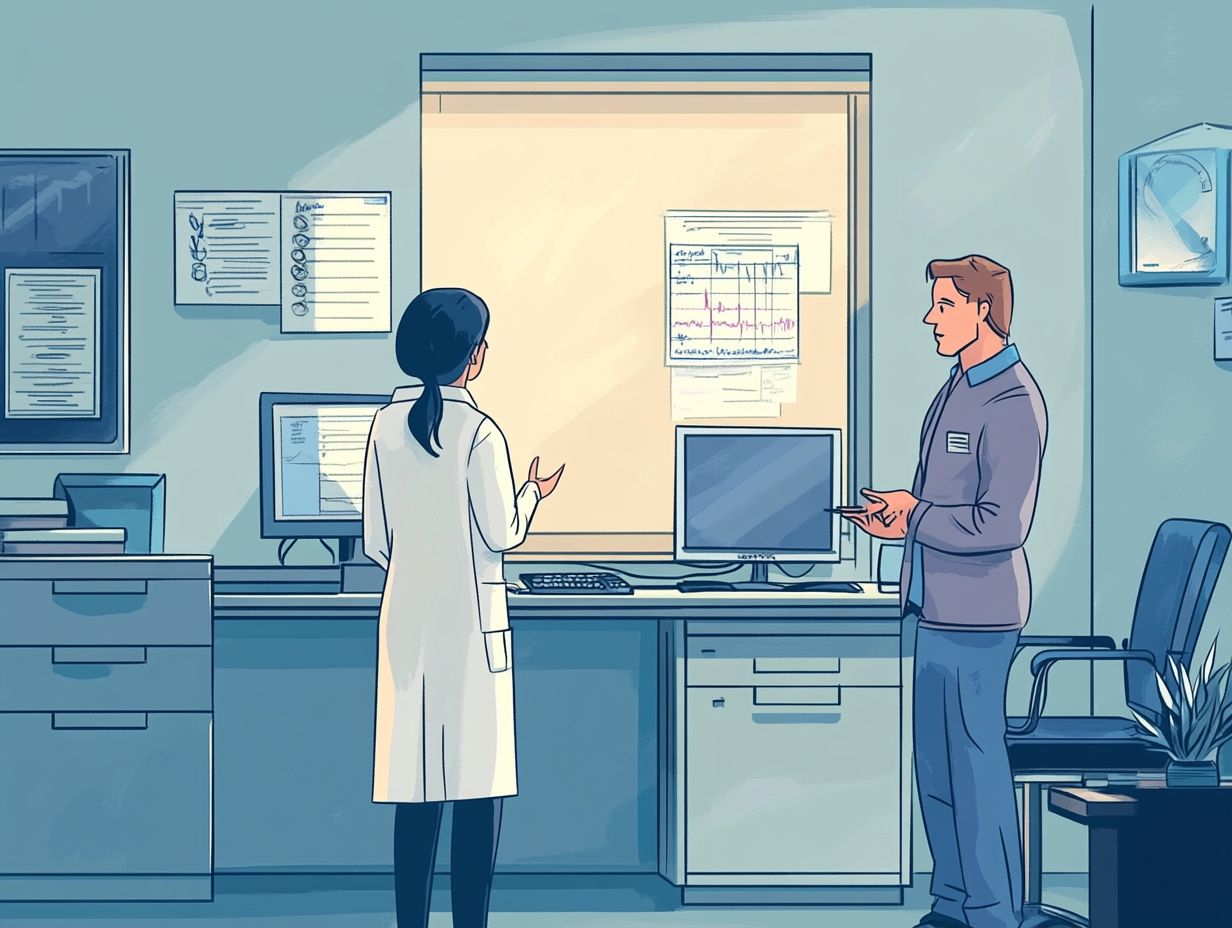
After completing cancer treatment, staying proactive with follow-up checkups is key to maintaining your health and catching any potential problems early. These personalized visits include physical exams, blood and imaging tests, and specialized screenings tailored to your type of cancer and treatment history. By understanding the purpose and timing of each test, you empower yourself to navigate survivorship with confidence and ensure the best possible long-term well-being.
Essential Post-Cancer Checkups: What You Need to Know
Comprehensive Physical Exam
One of the most important steps in your follow-up care is a thorough physical exam. This helps your healthcare provider assess your overall health and identify any late side effects from cancer treatments, such as heart or bone issues. It’s also an opportunity to discuss any new symptoms and plan additional tests if needed.
Regular Blood Tests
Blood tests are essential to monitor how well your organs are working and to spot any signs of cancer returning. Tests commonly include complete blood counts and liver function panels. These can reveal problems early, allowing for timely treatment and better health management. National Cancer Institute: Survivorship Care
Imaging Scans
Your doctor may order imaging tests like CT scans, MRIs, or PET scans to look for any signs of cancer coming back or to assess potential effects of your treatment on other organs. These scans provide detailed pictures that help detect issues even before symptoms appear.
Tumor Marker Tests
For some cancers, specific tumor marker tests measure substances in your blood or tissue that signal the presence or recurrence of cancer. These tests are especially common in monitoring breast, prostate, and ovarian cancers. Your healthcare team uses these results to tailor your follow-up care and treatment options.
Bone Density Scans
If your treatment could affect bone strength, like some chemotherapies or hormone therapies, bone density scans (DEXA scans) are important. They help detect early bone loss and guide recommendations such as increasing calcium and vitamin D intake or starting weight-bearing exercises.
Heart and Lung Health Checks
Cancer treatments can sometimes impact your heart and lungs. An echocardiogram uses sound waves to create images of your heart to check its function, while pulmonary function tests assess how well your lungs are working. These tests help doctors catch complications early and recommend appropriate care.
Routine Cancer Screenings
Depending on your cancer type and risk factors, routine screenings like mammograms, colonoscopies, Pap smears, and skin exams are vital. For example, breast cancer survivors typically have yearly mammograms starting a year after treatment to detect any new changes early.
Oral Health and Mental Wellbeing
Cancer treatments can affect your mouth, causing dryness or infections. Regular dental exams ensure oral health is managed. Equally important is your mental health — follow-up visits often include screening for anxiety, depression, and emotional challenges, with support options available such as therapy or support groups. Cancer.gov on Mental Health
Nutrition and Lifestyle Assessments
Nutrition plays a key role in recovery. A nutrition assessment evaluates your diet and physical activity to recommend plans that support healing, boost immunity, and reduce the risk of recurrence.
Genetic Testing for Personalized Care
In some cases, genetic testing helps identify inherited risks that affect you and your family, guiding personalized surveillance and preventive strategies.
Why Following Up Matters to You
Regular post-cancer checkups don’t just monitor for cancer recurrence—they also help manage long-term effects of treatment, support your emotional health, and improve your overall quality of life. Skipping these appointments could delay the detection of new health issues or cancer recurrence, making timely treatment more difficult.
How Often Should You Schedule These Checkups?
The frequency depends on your cancer type, treatment, and overall health. Typically, visits occur every 3-6 months during the first few years after treatment, then annually once your health stabilizes. Always follow your healthcare provider’s personalized schedule. American Cancer Society on Follow-Up Care
Preparing for Your Follow-Up Visits
Before your checkups, gather your medical records, list current medications, and note any new symptoms or emotional concerns. Preparing questions in advance helps you communicate your health needs effectively, making these visits more productive and empowering you to participate actively in your ongoing care.
What to Expect From Your Checkups
- Reassurance about your health and wellness.
- Early detection of any new or recurring health issues.
- Identification of treatment-related complications or late effects.
- Recommendations tailored to improve your lifestyle and emotional well-being.
- A comprehensive survivorship care plan aiming for long-term health.
Frequently Asked Questions
What are the most important post-cancer checkups for me?
Your follow-up care depends on your cancer type, treatment history, and personal health. Generally, regular physical exams, blood tests, imaging studies, and specific screenings are important. Your healthcare provider will tailor these based on your unique needs.
How often should I get checkups after cancer treatment?
Checkup frequency often starts every 3-6 months for the first few years, then shifts to every 6-12 months or annually. Even after many years cancer-free, regular visits remain important to monitor your health.
What should I do if I notice new symptoms between checkups?
If you experience any new or unusual symptoms, contact your healthcare team promptly. Early evaluation can identify whether these symptoms are related to your cancer history or other health concerns.
Are post-cancer checkups covered by insurance?
Most insurance plans cover follow-up care, but coverage can vary. It’s a good idea to check with your provider to understand what tests and visits are included.
How can I best prepare for my post-cancer checkups?
Bring your medical records, a list of medications, symptom notes, and questions for your healthcare provider. Being prepared facilitates thorough discussions and ensures all your health concerns are addressed.