If you’re caring for a loved one who can’t fully care for themselves due to age, illness, or disability, you play a vital role in supporting their health and well-being. However, caregiving often brings emotional stress, physical exhaustion, and financial challenges that can feel overwhelming. By learning practical strategies and prioritizing your own well-being, you can provide better care and protect yourself from burnout. This guide offers simple, effective tips to help you manage the demands of caregiving while maintaining your health and balance.
Understanding Caregiving and Its Challenges
Caregiving means helping someone who needs assistance with daily activities or medical care because of health or age-related issues. Many caregivers are family members or friends, but professional caregivers also play an important role. While caregiving can be deeply rewarding, it often comes with challenges such as emotional stress, fatigue, financial strain, and social isolation. These demands can lead to burnout, where caregivers feel overwhelmed and emotionally drained.
Common Struggles Caregivers Face
If you’re a caregiver, you might experience feelings of loneliness, depression, or anxiety. The constant attention your loved one requires can leave little time for self-care or social connection. Physically, caregiving tasks can be exhausting, especially if you’re assisting with mobility or medical needs. Recognizing these difficulties is the first step to finding support and managing your well-being.
Practical Tips to Make Caregiving More Manageable
- Create Consistent Routines: Establishing daily schedules can help reduce uncertainty and stress for both you and the person you care for.
- Use Available Resources: Community services such as respite care, support groups like the Alzheimer’s Association, and local organizations like the Area Agency on Aging can provide valuable assistance and relief.
- Communicate Openly: Keep clear and honest conversations going with your loved one and healthcare providers to ensure everyone’s needs are met.
- Stay Organized: Maintain detailed records of medical appointments, medications, and care instructions to stay on top of important details.
- Prioritize Self-Care: Make time for your own health through regular exercise, balanced nutrition, and emotional support.
Managing Stress as a Caregiver
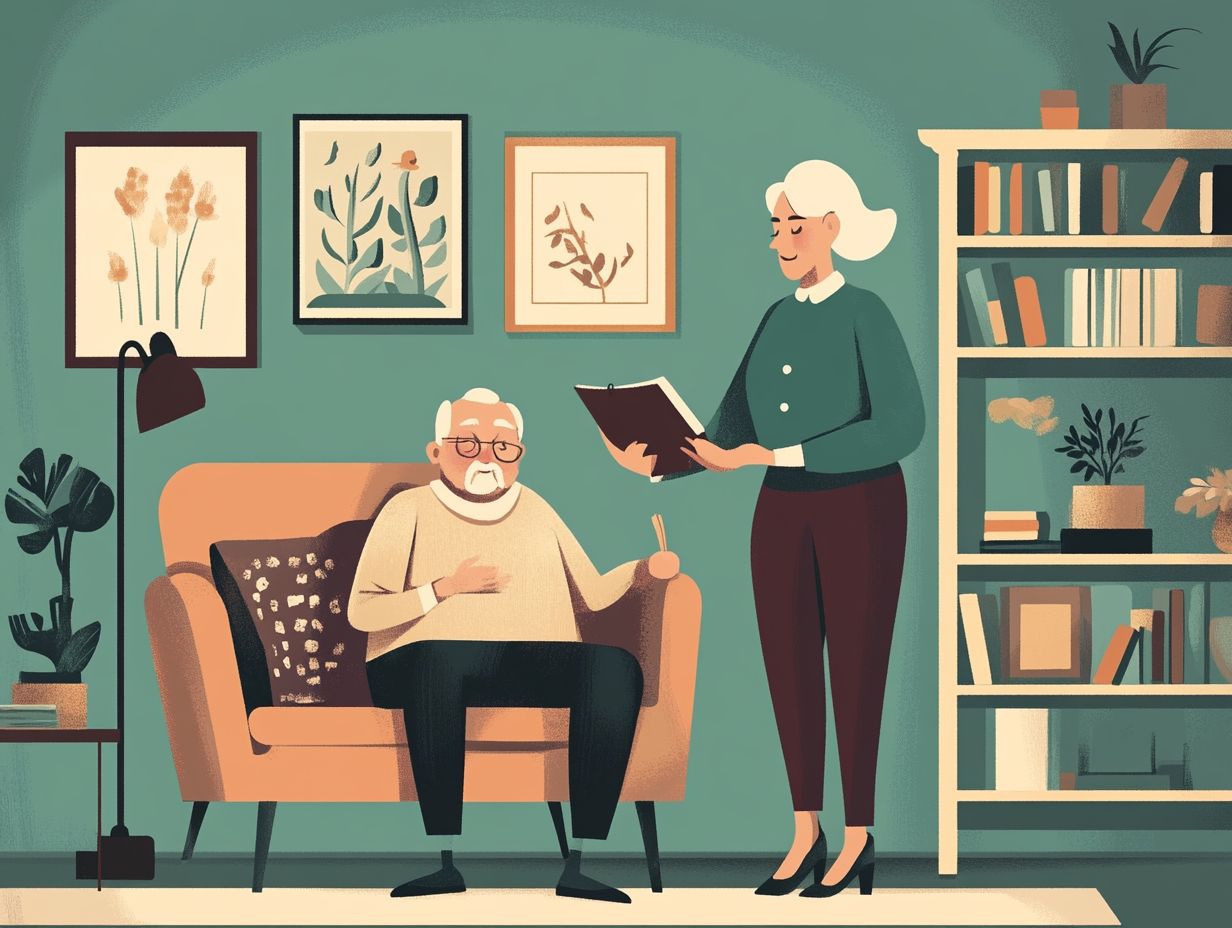
Stress is common when caregiving, but you can take steps to reduce its impact. Mindfulness meditation, deep breathing exercises, or engaging in hobbies can help you relax. Consider exploring stress management tips from the Mayo Clinic to find techniques that work for you. Building a support network of friends, family, or support groups gives you a place to vent and gain encouragement.
The Importance of Setting Boundaries and Clear Communication
Setting personal boundaries helps protect your emotional health and keeps caregiving sustainable. Don’t hesitate to say no when you need rest or assistance. Practicing active listening and clear dialogue fosters trust and understanding between you and your loved one, easing daily challenges.
Seeking Support and Resources
You don’t have to face caregiving alone. Look into local health departments and community centers for programs offering respite care or caregiver education. Online communities can also connect you to others experiencing similar challenges. For emotional support, speaking with a counselor or therapist can build resilience and coping skills.
Taking Care of Yourself is Essential

Remember, taking care of yourself is not selfish—it helps you care better for your loved one. Schedule regular breaks, maintain a healthy lifestyle, and engage in activities that bring joy. Simple practices like meditation or a relaxing bath can improve your mental well-being. By making your health a priority, you build strength and emotional stability to meet caregiving demands.
Frequently Asked Questions
What are some top tips for caregivers to avoid burnout?
Prioritize your health by taking breaks, seeking help, staying organized, and connecting with support groups. Always listen to your emotional and physical needs.
How can I effectively communicate with the person I’m caring for?
Use gentle, patient language and active listening. Encourage open dialogue and express empathy to build trust and reduce frustration.
What resources are available to support caregivers?
Community organizations like the Alzheimer’s Association, Area Agency on Aging, and local health departments offer respite care and support. Online groups and professional counseling can also help.
How do I manage the stress of caregiving?
Incorporate stress-reduction techniques such as mindfulness, physical activity, and hobbies. Reach out to friends, family, or professionals for emotional support.
What should I do if I notice signs of burnout?
Recognize symptoms like exhaustion, irritability, or withdrawal. Take immediate steps to rest, seek respite care, and talk to a healthcare provider or counselor.
Additional Resources
For more information on caregiving tips and resources, visit trusted sites such as the National Institute on Aging and the Centers for Disease Control and Prevention. Remember, by caring for yourself, you ensure that you can continue providing the best care for your loved one.
What is Caregiving?

Caregiving is the act of providing care and support to individuals who cannot fully care for themselves due to age, illness, or disability.
Caregivers can be family members, friends, or professionals who assist with daily activities and medical needs.
Caregiving supports the health and well-being of those needing help by addressing physical and emotional requirements.
How can I take care of myself as a caregiver?

It’s important to prioritize your own physical and emotional well-being. Make sure to take breaks, eat healthily, exercise, and seek support when needed.