Skin cancer is the most common type of cancer, with several varieties differing in severity and treatment. If you’re concerned about your skin health, it’s essential to know the main types of skin cancer, how to spot them early, and what you can do to protect yourself. From common forms like basal cell carcinoma and squamous cell carcinoma to more aggressive cancers like melanoma and Merkel cell carcinoma, understanding these differences empowers you to take timely action and seek appropriate care.
Understanding the Most Common Types of Skin Cancer
Skin cancer develops when abnormal cells in the skin grow out of control, often triggered by ultraviolet (UV) radiation from sun exposure or tanning beds. It’s important to recognize the types of skin cancer because symptoms, risks, and treatments can vary widely. Here are the key types to be aware of:
1. Basal Cell Carcinoma (BCC)
BCC is the most common skin cancer, starting in the basal cells at the bottom layer of the epidermis. It usually appears on sun-exposed areas like the face, neck, or arms and often looks like a shiny bump or a sore that doesn’t heal. While BCC rarely spreads to other parts of the body, early detection is crucial to prevent tissue damage.
If you spend a lot of time outdoors without sun protection, you’re at greater risk for BCC. You can learn more about BCC on the National Cancer Institute’s skin cancer page.
2. Squamous Cell Carcinoma (SCC)
SCC forms in keratinocytes, the cells making up most of the epidermis. It often appears as red, scaly patches or firm nodules that may crust or bleed. Like BCC, SCC usually develops in sun-exposed skin.
This type has a higher chance than BCC to spread if untreated, so early evaluation of any suspicious scaly or red areas is important. Treatments vary from surgical removal to radiation therapy depending on the case.
3. Melanoma
Melanoma originates from melanocytes, the pigment-producing cells, and is the most serious form of skin cancer. It can develop from a new or existing mole that changes in size, shape, or color. Look for asymmetry, irregular borders, color variation, and a diameter larger than 6 millimeters.
Risk factors include intense sun exposure, especially blistering sunburns, having light skin, a family history of melanoma, or many moles. Early diagnosis dramatically improves survival; for more detail, visit the Centers for Disease Control and Prevention (CDC) skin cancer page.
4. Kaposi Sarcoma
This rare cancer affects blood and lymph vessels. It often appears as purplish skin lesions and is linked to immune system suppression, especially in people with HIV/AIDS and infection by human herpesvirus 8 (HHV-8). Treatment can involve both localized therapy and medications to control systemic disease.
5. Merkel Cell Carcinoma
Merkel cell carcinoma is an aggressive but rare skin cancer arising from Merkel cells. It typically looks like painless, rapidly growing nodules on sun-exposed skin. Because it can spread quickly, early detection and treatment by surgical removal followed by radiation are critical.
6. Cutaneous T-Cell Lymphoma (CTCL)
CTCL is a rare lymphoma affecting the skin’s T-cells, appearing as itchy patches or thickened plaques. Variants like mycosis fungoides may progress slowly and are treated with topical or systemic therapies depending on severity.
7. Dermatofibrosarcoma Protuberans (DFSP)
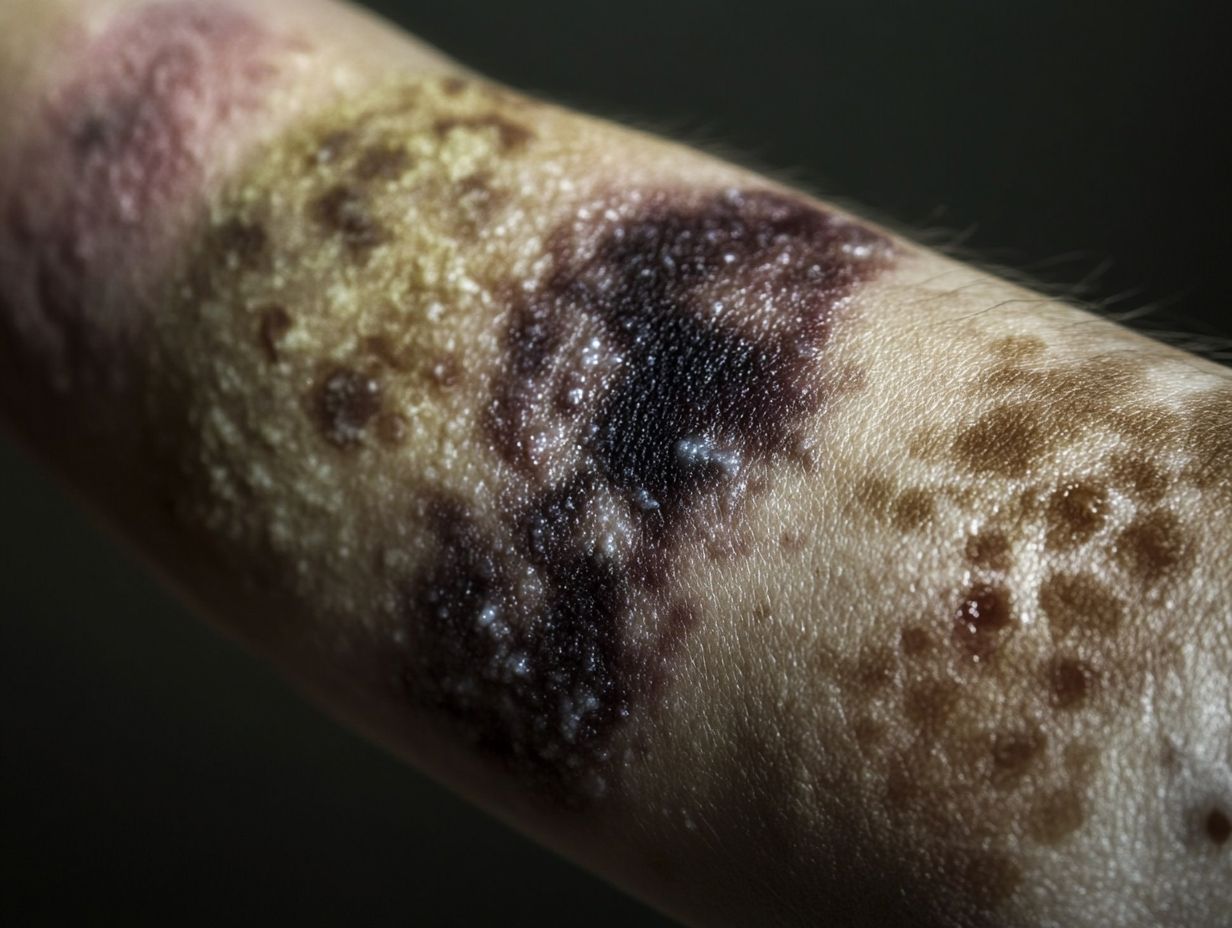
DFSP is a slow-growing tumor that begins in the deep layers of the skin, appearing as firm, raised lesions. It rarely spreads to other organs but can grow deeply, requiring wide surgical removal to ensure all cancer cells are removed.
8. Sebaceous Carcinoma
This uncommon cancer arises from oil glands in the skin, commonly affecting the face, scalp, and ears. It usually presents as painless nodules that can become ulcerated. Early surgery offers the best outcomes.
9. Angiosarcoma
Originating in blood vessels, angiosarcoma is an aggressive tumor that appears as purple or red lesions on the skin. Immediate medical attention and combined surgery with radiation are often needed.
10. Metastatic Skin Cancer
Sometimes, cancers originating elsewhere in the body like breast, lung, or colon cancer spread to the skin, producing new lesions or changes in existing skin areas. Diagnosis involves biopsies and imaging, and treatment targets the primary cancer.
Risk Factors That Increase Your Chances of Skin Cancer
You might be more at risk if you’ve had intense or prolonged exposure to UV rays without protection, have light skin that burns easily, a family history of skin cancer, or a weakened immune system. Even indoor tanning can increase your risk. Protecting yourself by using broad-spectrum sunscreen (SPF 30 or higher), wearing hats and long sleeves, and avoiding peak sun hours — 10 a.m. to 4 p.m. — greatly lowers your risk.
Signs and Symptoms to Watch For
Check your skin regularly for new growths, sores that don’t heal, or changes to existing moles. BCC often looks like a pearly bump; SCC can be a scaly plaque or red nodule; melanoma may show irregular moles with color and shape changes. If you notice any of these or persistent itching, pain, or bleeding, see a healthcare provider promptly.
How Is Skin Cancer Diagnosed and Treated?
Your doctor will perform a physical exam and may order a biopsy to confirm diagnosis. Staging tests determine cancer size and spread, guiding your treatment plan. Surgery is the most common treatment, with other options including topical therapies, radiation, chemotherapy, immunotherapy, or targeted therapies depending on cancer type and stage.
For reliable treatment information, the National Cancer Institute provides comprehensive resources.
Prevention and Early Detection Save Lives
Preventing skin cancer starts with protecting your skin from UV exposure, regular self-exams, and scheduling annual skin checks with a dermatologist, especially if you have risk factors or a family history. Identifying suspicious lesions early leads to more effective and less invasive treatments.
Supporting Someone with Skin Cancer
If a loved one is diagnosed with skin cancer, your emotional support makes a big difference. Listening, attending medical appointments together, helping with daily chores, and encouraging healthy lifestyle habits can improve their quality of life and coping ability throughout treatment.
Frequently Asked Questions
What are the most common types of skin cancer I should know about?
The most common types are basal cell carcinoma, squamous cell carcinoma, and melanoma. Basal cell carcinoma tops the list for frequency, while melanoma is the most dangerous due to its ability to spread quickly.
How can I recognize early signs of skin cancer?
Look for new or changing moles, sores that do not heal, scaly patches, or unusual skin growths. Melanoma often presents as asymmetrical, irregularly bordered, multicolored moles. Don’t ignore any persistent skin changes—early evaluation by a dermatologist is key.
What lifestyle changes can reduce my risk of skin cancer?
You can protect your skin by wearing sunscreen daily, avoiding peak sun hours, wearing protective clothing, and steering clear of tanning beds. Regular skin self-exams and professional skin checks are important too.
Are all skin cancers deadly?
Not all skin cancers are life-threatening. Basal cell and squamous cell carcinomas are usually curable when caught early. However, melanoma and some rare types can be aggressive, which is why early detection is so important.
Where can I find trusted information about skin cancer?
For reliable, up-to-date information, visit the National Cancer Institute, the Mayo Clinic, and the CDC websites.