Recognizing the early symptoms of pancreatic cancer can make a crucial difference in treatment success and survival. While many signs can seem vague or similar to common health issues, knowing what to watch for—like unexplained weight loss, persistent abdominal discomfort, jaundice, and new diabetes—can prompt timely medical attention. This guide walks you through the most common warning signs, risk factors, diagnostic approaches, and treatment options to help you stay informed and proactive in managing your health.
Understanding the Key Symptoms of Pancreatic Cancer
Pancreatic cancer often develops silently, making early detection challenging. Yet, certain symptoms—though sometimes subtle—can signal its presence. If you notice unexplained weight loss without changes in diet or exercise, persistent abdominal or back pain, or yellowing of your skin and eyes (jaundice), it’s important to consult your healthcare provider promptly. Other signs like loss of appetite, nausea, vomiting, or new-onset diabetes could also hint at pancreatic distress.
1. Unexplained Weight Loss
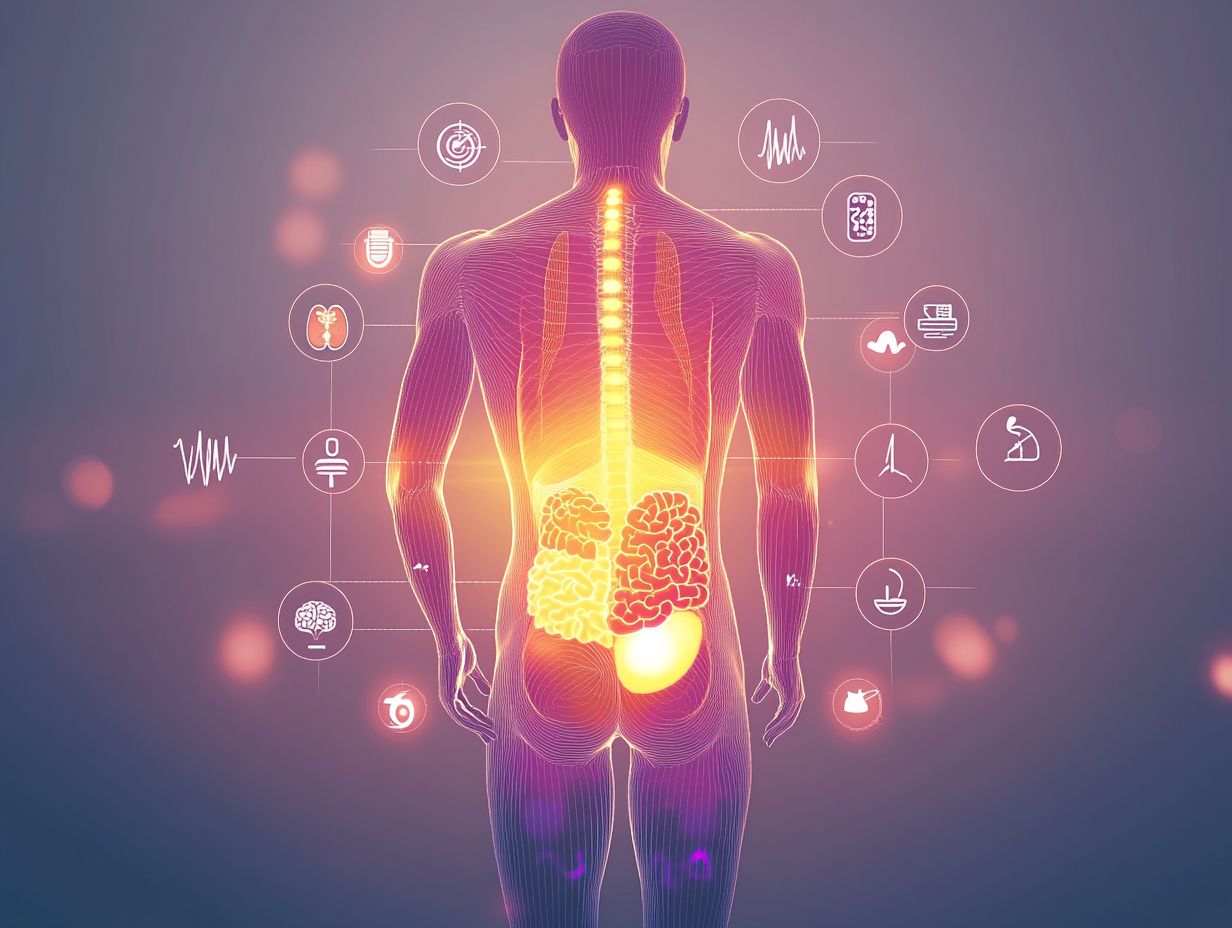
If you are losing weight without trying, this could suggest your body is under stress, possibly from pancreatic cancer affecting metabolism. This symptom often occurs alongside other signs like abdominal pain and jaundice. Catching these signs early can lead to timely diagnosis and better outcomes.
2. Persistent Abdominal Pain
Abdominal pain linked to pancreatic cancer typically feels like a dull ache or pressure in the stomach area and may radiate to your back. Unlike common stomach discomforts, this pain tends to persist and worsen over time. Getting evaluated early can help distinguish it from less serious conditions and lead to appropriate management.
3. Jaundice and Itching
Jaundice happens when a pancreatic tumor blocks the bile duct, causing a buildup of bilirubin that turns your skin and eyes yellow. This blockage can also lead to itchy skin. If you notice yellowing or itching without an obvious cause, seek medical advice. Treatment may involve procedures to unblock the bile duct and therapies aimed at the cancer itself.
4. Loss of Appetite and Digestive Changes
A sudden loss of appetite can contribute to weight loss and weaken your body’s ability to cope with illness. Pancreatic cancer may also cause changes in digestion, leading to nausea, vomiting, and changes in stool color—such as pale, clay-colored stools due to reduced bile flow, or dark stools signaling possible bleeding. These gastrointestinal symptoms should not be ignored.
5. New-Onset Diabetes

If you or a loved one experiences new diabetes without typical risk factors, it might be connected to pancreatic function changes caused by the cancer. Managing blood sugar levels and discussing this symptom with a doctor can lead to earlier investigations.
6. Back Pain and Other Symptoms
Back pain is common with pancreatic cancer as tumors grow and press on nearby nerves or organs. Other possible signs include blood clots, enlarged gallbladder or liver, swollen lymph nodes, and emotional effects such as depression and anxiety. These symptoms often indicate advancing disease stages and should prompt thorough medical evaluation.
Who Is at Risk for Pancreatic Cancer?
Your risk may be higher if you are over 60, have a family history of pancreatic cancer, smoke, or have chronic pancreatitis. Other lifestyle factors also play a role, such as obesity, a diet high in red and processed meats, physical inactivity, and genetic mutations like BRCA2. If you fit any of these categories, regular health check-ups can help catch problems early.
How Is Pancreatic Cancer Diagnosed?
Doctors diagnose pancreatic cancer with a combination of physical exams, blood tests (such as the carbohydrate antigen CA 19-9 level), and imaging studies including CT scans and MRIs. These tools help locate tumors and plan treatment.
Understanding Treatment Options
Treatment depends on the cancer stage and your overall health. Options include surgery to remove tumors, chemotherapy to kill cancer cells, radiation therapy, and newer targeted therapies that attack specific cancer pathways. Discussing all available approaches with your healthcare team can help you make informed decisions that best suit your needs.
Survival Outlook and Early Detection
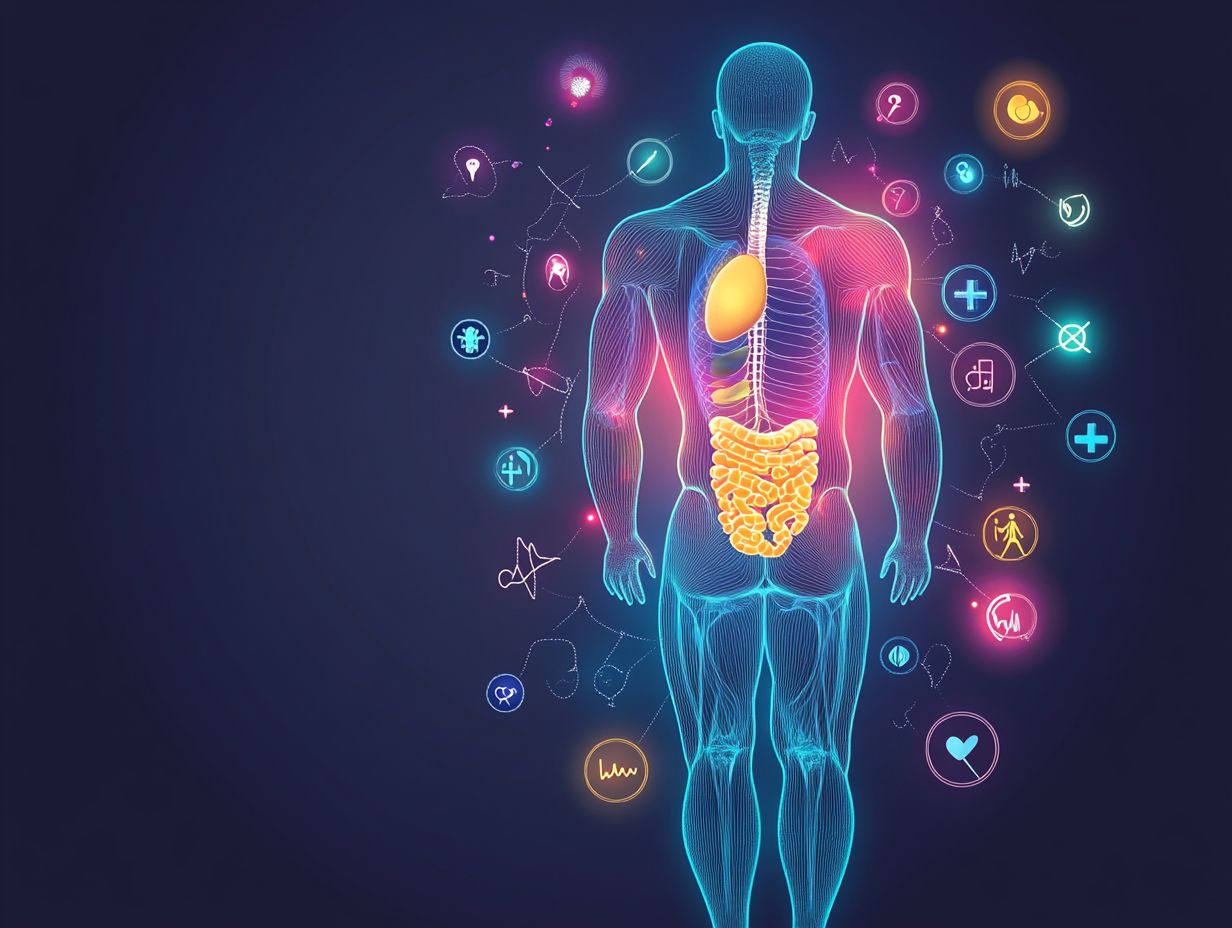
The five-year survival rate for pancreatic cancer is around 10%, mainly because diagnosis often happens at advanced stages. However, if detected early, survival can improve significantly, reaching up to 39%. New treatments and monitoring tools, such as CA 19-9 levels, are helping improve the outlook for many patients.
What Can You Do to Reduce Your Risk?
Adopting a healthy lifestyle can lower your risk. This includes quitting smoking, maintaining a healthy weight through diet and exercise, limiting processed and red meats, and managing diabetes carefully. Staying active and monitoring your health with regular medical check-ups are practical steps you can take now.
Frequently Asked Questions
What Are the Most Common Symptoms of Pancreatic Cancer?
Common symptoms include unexplained weight loss, abdominal or back pain, jaundice (yellowing of skin and eyes), loss of appetite, nausea, vomiting, and changes in stool color or consistency. If you experience any of these, consider seeing a doctor promptly.
Can Pancreatic Cancer Cause Abdominal Pain?
Yes, abdominal pain is a frequent symptom. It often feels like a steady ache or pressure in the upper abdomen and may radiate to the back. This pain differs from ordinary stomachaches and should be evaluated, especially if persistent.
Is Jaundice a Sign of Pancreatic Cancer?
Jaundice can be a key warning sign. It occurs when a tumor blocks the bile duct, causing yellowing skin and eyes due to bilirubin buildup. Early treatment can relieve obstruction and address the underlying cancer.
Why Does Pancreatic Cancer Cause Unexplained Weight Loss?
Weight loss may stem from reduced appetite, metabolic changes caused by the tumor, and the body’s increased energy demands to fight cancer. This symptom often signals the need for medical assessment.
Are Nausea and Changes in Stool Common?
Yes, these digestive symptoms can occur due to pancreatic cancer affecting bile flow and nutrient absorption. They may present as nausea, vomiting, pale or oily stools, and require medical review for diagnosis and support.
For further trusted information, you can visit the National Cancer Institute’s pancreatic cancer page, the Mayo Clinic’s overview on pancreatic cancer, or watch expert videos from Mayo Clinic’s YouTube channel.