Curious about how cancer research impacts your treatment options and the future of care? Cancer research combines cutting-edge science with compassionate goals—to better understand cancer, develop more effective therapies, and ultimately improve lives. By exploring tumor biology, genetics, and immune system interactions, researchers aim to tailor treatments specifically to your needs. This article unpacks the most common questions about cancer research, helping you understand its importance, current trends, and how you can stay informed and even support the fight against cancer.
What Is Cancer Research?
Cancer research is the scientific study of how cancer develops, grows, and spreads. It investigates the biology of tumors, genetic changes causing cancer, and risk factors such as viruses like hepatitis B or lifestyle influences. Researchers use various tools like genomic sequencing and bioinformatics to analyze mutations that drive cancer. The ultimate goal is to develop new, more effective treatments and improve patient outcomes.
Why Is Cancer Research Important?
Research is essential because it increases our understanding of cancer’s complexity, leading to better treatments that can extend survival and improve quality of life. For example, studying how your immune system interacts with tumors helps develop targeted therapies that attack cancer cells while sparing healthy tissue. Furthermore, integrating psychosocial support into treatment helps patients cope emotionally and recover more fully.
How Is Cancer Research Funded?
Your support matters. Cancer research is funded by government grants, nonprofit organizations like the American Cancer Society, private donations, and corporate sponsors. These funds support everything from laboratory studies to clinical trials that test new treatments in patients. Public awareness and donations play a vital role in maintaining the momentum of research.
Who Conducts Cancer Research?
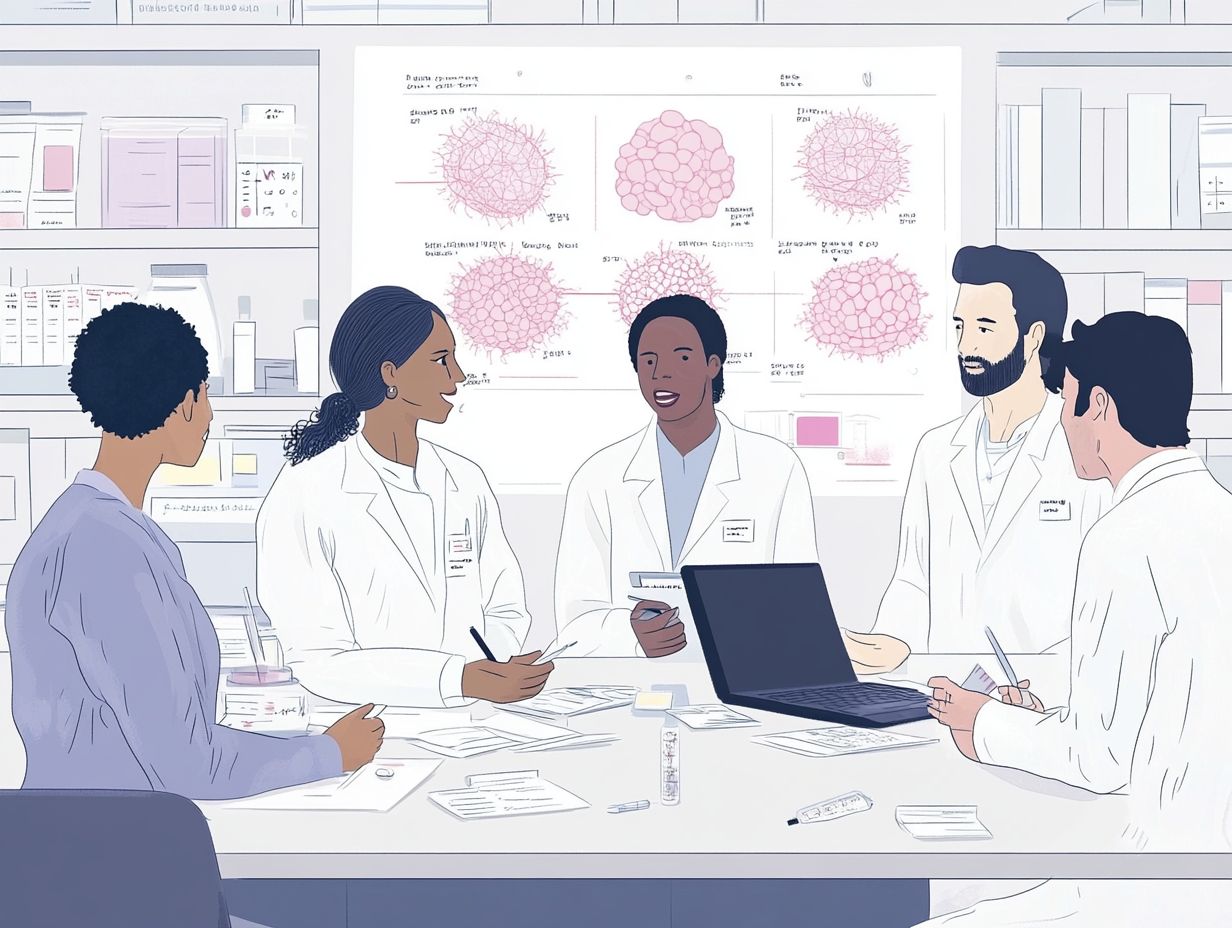
A diverse team makes cancer research possible: oncologists who treat patients, laboratory scientists who study cancer cells, and clinical researchers who test new therapies in trials. These professionals work at universities, hospitals, and specialized research centers to translate scientific discoveries into real-world treatments that can benefit you.
What Are the Different Types of Cancer Research?
Cancer research happens on many fronts:
- Basic research explores the biological mechanisms that cause cancer, such as changes in cell metabolism or signaling pathways.
- Translational research bridges lab discoveries and clinical application, turning insights from animal models and cell studies into potential treatments.
- Clinical trials test these treatments in people to ensure they are safe and effective.
- Epidemiological studies look at patterns, causes, and risk factors for cancer in populations.
For more detailed insights, consider exploring the Chinese Journal of Cancer and other peer-reviewed journals.
What Are the Current Trends in Cancer Research?
Today’s research focuses on personalized medicine—tailoring treatments to your unique genetic makeup and tumor characteristics. Tools like genomic profiling help identify mutations that specific drugs can target. Immunotherapies, including immune checkpoint inhibitors, empower your immune system to attack cancer cells more effectively. These advances aim to improve treatment outcomes for cancers such as liver, stomach, pancreas, and lung cancer.
How Is Cancer Research Impacting Treatment Options?
Your treatment options today benefit immensely from research breakthroughs. Novel agents like PARP inhibitors and targeted antibodies offer alternatives beyond traditional chemotherapy and radiation. Understanding the tumor microenvironment allows better selection of patients who will respond to specific therapies, increasing the chance of success. Clinical trials continue to explore these therapies, offering hope for improved survival and quality of life.
What Are the Challenges in Cancer Research?
Research isn’t without hurdles. Funding shortages can limit study scope, ethical rules must protect patient rights during clinical trials, and enrolling enough participants can be difficult. Despite these challenges, collaboration among scientists, institutions, and industry partners helps accelerate progress.
How Can You Support Cancer Research?
You can play an important role by donating to trusted organizations, participating in awareness campaigns, volunteering for clinical trials, and advocating for research funding. Your involvement not only funds critical studies but also raises public understanding of how vital ongoing research is in the battle against cancer.
What Ethical Considerations Are Involved in Cancer Research?
Ethical standards are fundamental in cancer research to protect you as a participant. Informed consent ensures you understand potential risks and benefits before joining a study. Institutional review boards evaluate research protocols to maintain safety and integrity, and you have the right to withdraw from studies at any time. These safeguards help maintain trust and prioritize participant well-being.
What Is the Future of Cancer Research?
The future is promising, with advanced technologies like artificial intelligence enhancing data analysis to better predict treatment responses and identify new therapeutic targets. Cross-disciplinary collaborations are speeding up discoveries. Continued innovation aims to make treatments more precise, less toxic, and more effective for each individual.
Frequently Asked Questions
What are the most common types of cancer?
The most common cancers include breast, lung, prostate, and colorectal cancers. However, over 100 different cancer types exist, each requiring unique approaches for prevention and treatment.
What are the main risk factors for developing cancer?
Risk factors include genetics, age, lifestyle habits like smoking and alcohol use, and exposure to harmful substances or infections. If you have a family history of cancer, discussing genetic counseling with your doctor might be helpful.
How is cancer diagnosed?
Doctors use imaging tests (like CT scans), biopsies, and lab tests to diagnose cancer and determine its type and stage. Clinical evaluation guides the development of your personalized treatment plan.
What treatment options are available?
Treatment varies by cancer type and stage and may include surgery, chemotherapy, radiation, targeted therapy, or immunotherapy. Your healthcare team will tailor your treatment to offer the best chances of success.
What role do clinical trials play in cancer care?
Clinical trials are essential for testing new treatments and improving existing ones. Participation can give you access to cutting-edge therapies and contributes valuable information that benefits future patients.
How can I reduce my risk of cancer?
Leading a healthy lifestyle—such as eating a balanced diet, exercising regularly, avoiding tobacco, limiting alcohol, and protecting yourself from harmful exposures—can lower your cancer risk. Additionally, managing stress and seeking psychosocial support can positively impact your overall health.
For more information, visit the National Cancer Institute or the Mayo Clinic’s cancer treatment guide.