Cancer treatments, while essential for combating the disease, can have profound long-term effects on heart health. Chemotherapy and radiation are known to increase the risk of cardiotoxicity, potentially leading to conditions such as heart failure, arrhythmias, and hypertension. Recognizing these risks, collaboration between oncologists and cardiologists is crucial to manage cardiovascular health during and after cancer treatment. Understanding biomarkers of cardiac health can aid in clinical decisions.
Cancer survivors often face increased risks of heart disease due to the lasting impacts of treatment on heart function, blood vessels, cholesterol levels, and overall cardiovascular structure. Approximately 15-30% of survivors experience cardiac dysfunction, highlighting the need for ongoing monitoring and preventative strategies, including routine cardiac screenings and lifestyle modifications. Cardio-oncology programs can be a vital resource in this regard.
By adopting a healthy lifestyle and accessing resources such as cardio-oncology programs, cancer survivors can mitigate these risks and maintain heart health, ensuring a better quality of life post-treatment. The involvement of institutions like City of Hope Comprehensive Cancer Center and Memorial Sloan Kettering Cancer Center in research and patient care is invaluable.
Key Takeaways:
1. Increased Risk of Heart Disease

Cancer treatments such as chemotherapy and radiation increase the risk of heart disease by causing cardiotoxicity, leading to conditions like heart failure.
Monitoring cardiovascular health during and after cancer treatment is crucial to reducing long-term health risks. Collaboration with experts from places like the Vanderbilt-Ingram Cancer Center can enhance care strategies.
Collaboration between oncologists and cardiologists is essential to tailor treatments that prioritize cardiac health, especially in the context of clinical decisions and treatment planning.
2. Impact on Heart Function
Cancer therapies can significantly impact heart function, leading to cardiac side effects like heart failure, arrhythmias, and high blood pressure.
These effects can persist after treatment and require monitoring using specific biomarkers to track cardiac damage and cardiovascular toxicities.
Regular monitoring helps manage both cancer recovery and cardiovascular health.
3. Increased Risk of Heart Failure
Cancer survivors face an increased risk of heart failure due to cardiovascular toxicities from certain cancer treatments.
Heart failure risk arises from chemotherapeutic agents and targeted therapies causing systemic inflammation, oxidative stress, and myocardial injury.
Approximately 15-30% of cancer survivors experience cardiac dysfunction, with higher rates as patients age and time since treatment increases.
Preventative strategies include:
- Routine cardiac screening
- Lifestyle modifications
- Cardioprotective agents during cancer treatment
4. Effects on Heart Rhythm
Certain cancer drugs used in chemotherapy and treatments with immune checkpoint inhibitors can affect heart rhythm, causing arrhythmias and myocarditis.
These effects can result in palpitations, shortness of breath, and severe complications.
Patients should monitor symptoms and maintain communication with healthcare providers.
Regular cardiac assessments like EKGs and echocardiograms help in early detection and management.
5. Impact on Blood Vessels
Cancer treatments impact blood vessels, leading to cardiovascular damage, hypertension, and compromised vascular health in cancer patients.
Damage to blood vessels from cancer therapies increases the risk of heart disease and stroke.
Regular assessment of vascular health is crucial for early intervention to mitigate these risks.
Strategies like lifestyle modifications, nutritional support, cardiovascular care, and involvement of cardio-oncology teams can enhance quality of life post-treatment.
6. Changes in Blood Pressure
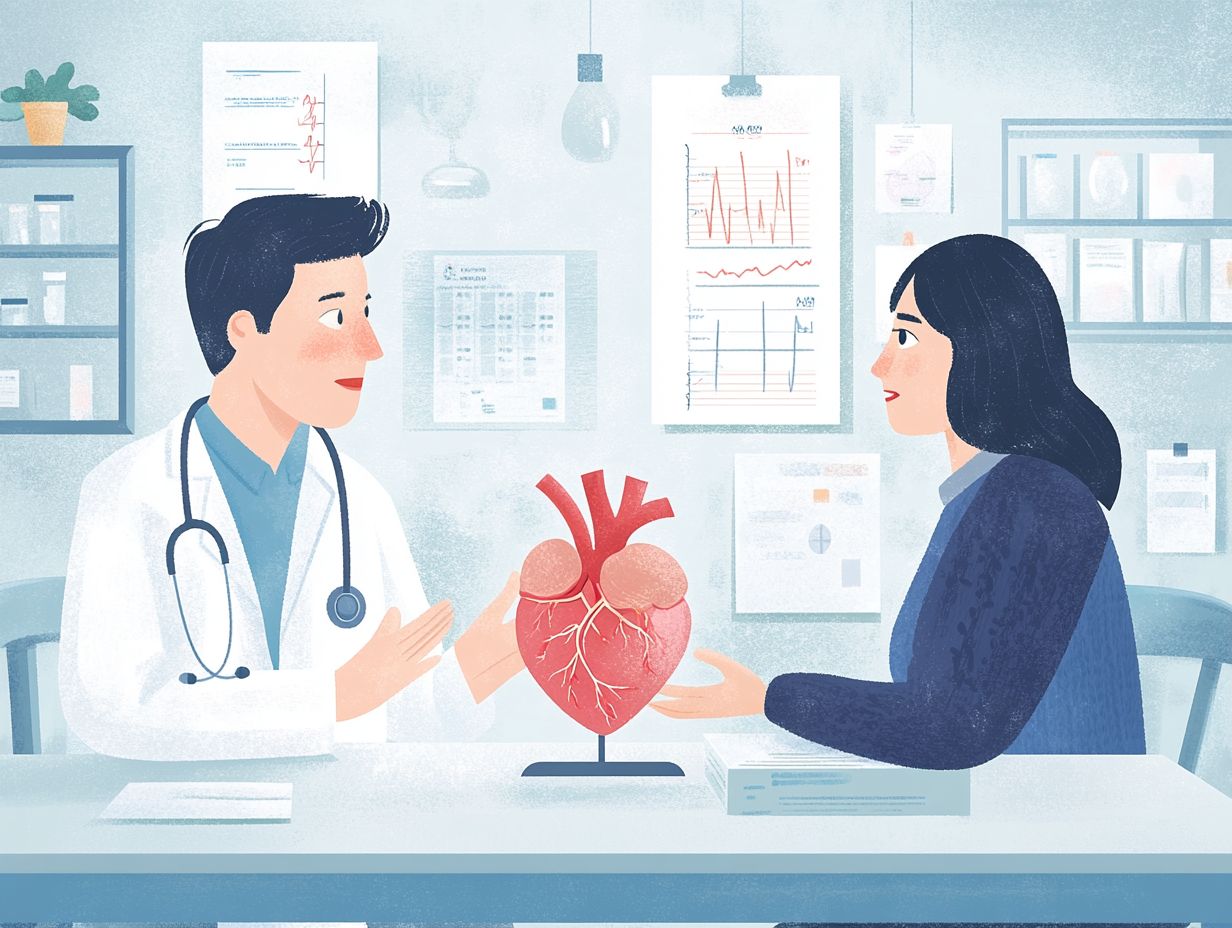
Changes in blood pressure are common in cancer patients due to treatment and can manifest as hypertension or hypotension.
Specific therapies like chemotherapy may cause blood pressure to rise or fall, affecting patient health.
Monitoring blood pressure during cancer treatment is essential to manage health risks and adjust therapies effectively.
7. Effects on Cholesterol Levels
Cancer treatments can affect cholesterol levels, leading to increased health risks and potentially impacting cardiac health.
Research indicates that chemotherapy, radiation, targeted treatments, and specific therapies like HER2-targeted therapies can elevate low-density lipoprotein (LDL) and decrease high-density lipoprotein (HDL).
This imbalance increases the risk of cardiovascular complications.
Healthcare providers should monitor lipid profiles throughout cancer treatment to manage these risks.
8. Risk of Blood Clots
The risk of blood clots is increased in cancer patients due to cancer treatments that enhance hypercoagulability.
Certain treatments, such as chemotherapy and HER2-targeted therapies, can damage blood vessels and alter coagulation pathways, raising the likelihood of thrombosis.
Factors like prolonged immobility and the inflammatory state caused by tumors also contribute to the risk of blood clots.
9. Impact on Heart Structure
Cancer therapies can change heart structure, causing long-term cardiovascular damage. Insights from researchers like Saro Armenian and institutions like the National Heart Lung and Blood Institute contribute to understanding these impacts.
Therapies like chemotherapy with anthracyclines and radiation can lead to left ventricular dysfunction and coronary artery disease.
These changes necessitate ongoing cardiovascular monitoring for survivors.
10. Long-Term Effects on Overall Health
Cancer treatments can have long-term effects on overall health, particularly cardiac health.
Treatments may lead to hypertension, heart disease, and other cardiovascular issues. Cardiovascular disease is a significant concern in survivorship care.
Regular follow-up care helps monitor and manage these risks, improving quality of life for survivors.
How Can Cancer Treatment Affect Heart Health?

Cancer treatment can affect heart health by increasing the risk of cardiovascular issues.
Chemotherapy may damage heart muscle, leading to heart failure or arrhythmias.
Radiation therapy targeting chest tumors can impact cardiac tissues, raising heart disease risk.
Immunotherapy also poses potential cardiac risks.
Monitoring heart health before, during, and after cancer treatment is essential for managing potential health risks and maintaining cardiac health.
What Are the Different Types of Cancer Treatment and Their Effects on Heart Health?
Cancer treatments include chemotherapy, radiation therapy, targeted therapy, and immunotherapy. These treatments can affect heart health in various ways.
Chemotherapy can increase the risk of heart failure. Radiation therapy can cause long-term damage to heart tissues. Targeted therapies and immunotherapies, while effective in treating cancer, may also pose cardiovascular risks.
Monitoring and managing these effects help healthcare providers ensure both cancer treatment efficacy and heart health preservation.
What Can Cancer Survivors Do to Maintain Heart Health?
Cancer survivors can maintain heart health by following a balanced diet, engaging in regular physical activity, and attending regular medical check-ups.
A balanced diet includes:
- Fruits
- Vegetables
- Whole grains
- Lean proteins
Regular physical activity, like walking or yoga, improves cardiovascular fitness.
Regular check-ups help monitor heart health post-treatment.
Support groups and counseling can aid emotional well-being.
How Can a Healthy Lifestyle Help Prevent Long-Term Effects on Heart Health?
A healthy lifestyle helps prevent long-term heart health effects by promoting balanced nutrition, regular physical activity, and routine health screenings.
Balanced nutrition supports heart health by incorporating fresh fruits, vegetables, whole grains, and lean proteins.
Regular physical activity strengthens the heart and improves overall well-being.
Routine health screenings enable early detection of cardiovascular issues, further protecting heart health.
What Are the Warning Signs of Heart Problems in Cancer Survivors?
Cancer survivors should watch for warning signs of heart problems, including shortness of breath, irregular heartbeats, chronic fatigue, and swelling in the legs and feet.
These symptoms can indicate potential heart complications from previous cancer treatments.
It is important to consult with healthcare providers promptly to manage heart health effectively.
What Are the Available Resources for Cancer Survivors to Manage Heart Health?
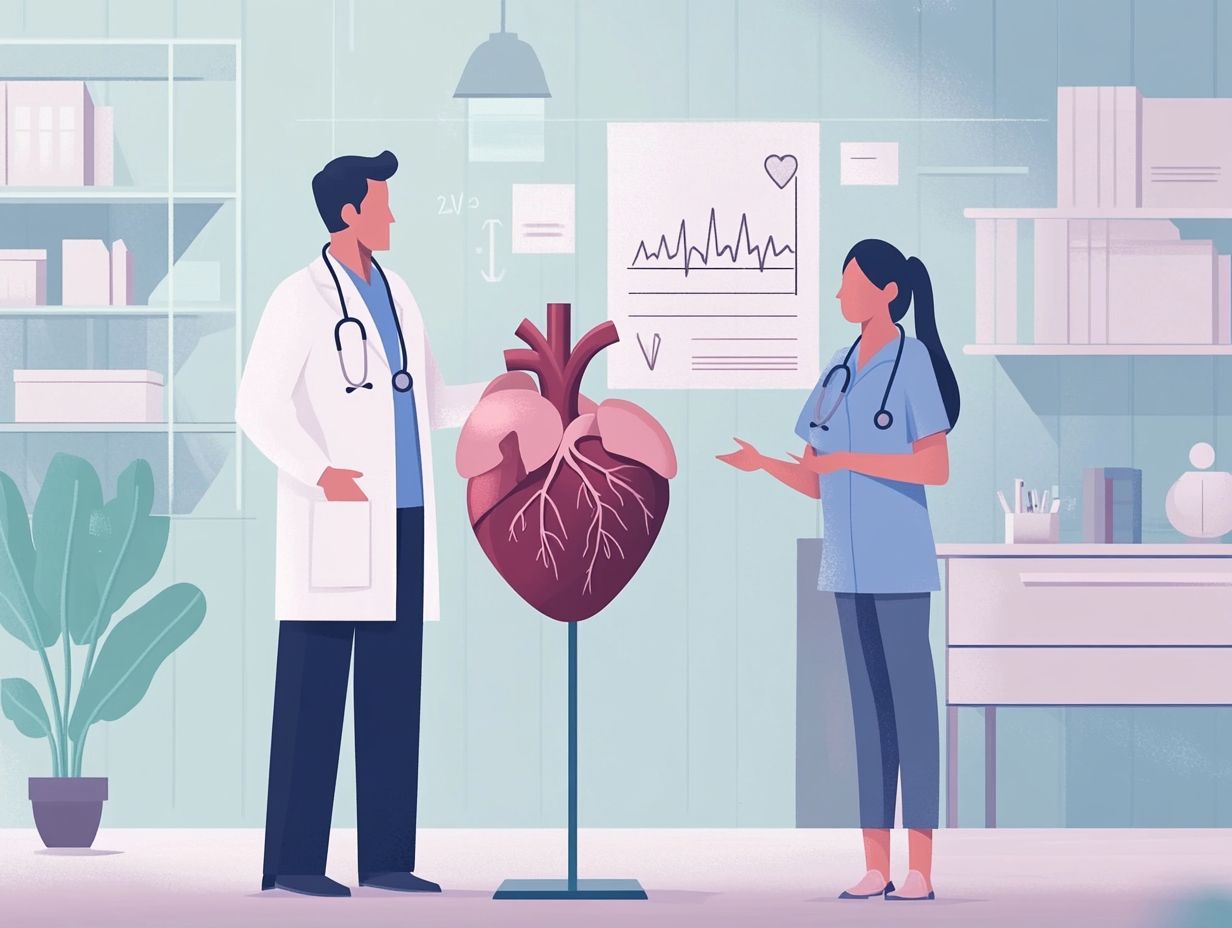
Cancer survivors have several resources to manage heart health, including cardio-oncology programs and educational materials from organizations like the American Heart Association and American Cancer Society. Guidance from respected figures such as Ellen Stovall and institutions like Duke University enhances survivorship support.
Support groups and healthcare professionals provide guidance for long-term heart health management after cancer treatment.
Frequently Asked Questions
What Are the Long-Term Effects of Cancer on Heart Health?
The long-term effects of cancer on heart health can vary depending on the type of cancer, the stage at which it was diagnosed, and the treatment received. In general, cancer can have a significant impact on heart health and increase the risk of heart disease. Contributions from experts like Lori Minasian and resources from the American Heart Association are critical in addressing these challenges.
How does cancer affect overall heart health?
Cancer can weaken the heart muscle, leading to a condition called cardiomyopathy, which can decrease the heart’s ability to pump blood effectively. It can also cause inflammation of the heart, known as myocarditis, and damage to the heart valves, which can disrupt blood flow. Engaging with cardio-oncology specialists at institutions like Columbia University Medical Center can provide targeted support.
Which cancer treatments, including HER2-targeted therapies, can have long-term effects on heart health?
Certain chemotherapy drugs, radiation therapy, and targeted therapies, such as those studied at the University of Texas MD Anderson Cancer Center, can cause cardiotoxicities that damage the heart and increase the risk of heart disease. These effects can be temporary or permanent, depending on the individual and the treatment received. Research by institutions like the National Institutes of Health highlights the importance of understanding these risks.
How can cancer survivors protect their heart health in the long-term after a cancer diagnosis?
Cancer survivors should maintain a healthy lifestyle by eating a balanced diet, exercising regularly, and avoiding tobacco and excessive alcohol consumption. The American Heart Association recommends regular check-ups with their doctor to monitor heart health and manage any potential risk factors. Institutions such as the City of Hope Comprehensive Cancer Center, led by experts like Saro Armenian, emphasize the importance of ongoing cancer care to prevent cardiotoxicities.
Are there any specific heart health concerns for childhood cancer survivors, as outlined by the NCI?
Childhood cancer survivors may be at a higher risk of developing heart disease later in life due to the long-term effects of cancer treatment on their developing bodies. As highlighted by experts like Lori Minasian from the National Heart Lung and Blood Institute, it is essential for childhood cancer survivors to have regular cardiac check-ups to monitor their heart health. Research from institutions like the Vanderbilt-Ingram Cancer Center and Columbia University Medical Center further supports these findings.
Can cancer treatment affect heart health in the short-term as well, according to the National Institutes of Health?
Yes, certain cancer treatments can cause short-term effects on heart health, such as temporary changes in heart rhythm or blood pressure. Experts like Chau Dang from Memorial Sloan Kettering Cancer Center emphasize the importance of discussing any potential side effects with your doctor before starting treatment. It’s crucial to report any symptoms immediately, as advised by institutions such as Duke University.