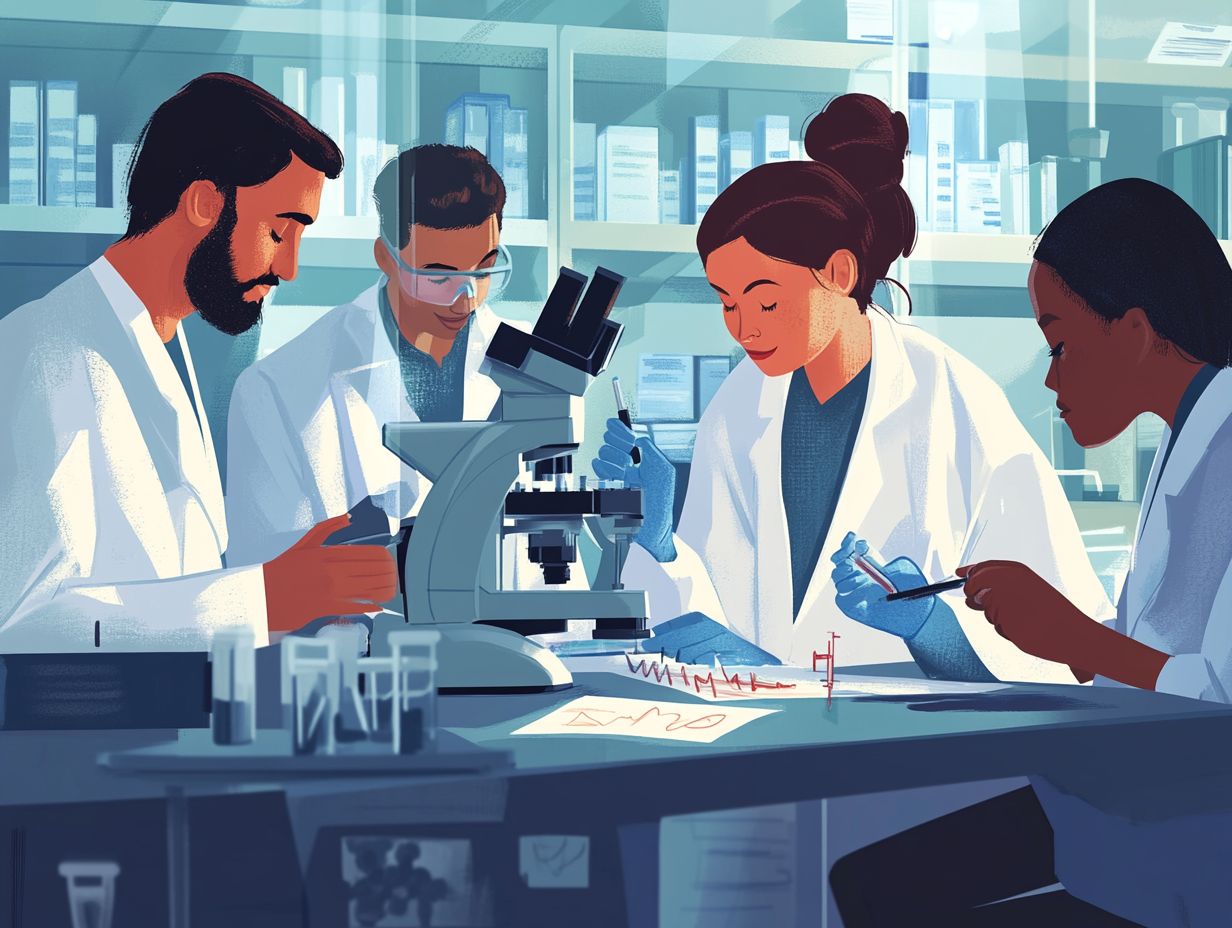
Emerging cancer research is rapidly transforming how we detect and treat the disease, offering hope through innovations that tap into the body’s own defenses, personalize therapies based on genetic makeup, and use cutting-edge technologies for more precise care. From immunotherapy that empowers your immune system to fight cancer, to liquid biopsies that enable early, non-invasive detection, these breakthroughs aim to improve survival and quality of life. Understanding these advances can empower you to make informed decisions, explore clinical trials, and support ongoing research that shapes the future of cancer care.
Immunotherapy: Boosting Your Immune System to Fight Cancer
Immunotherapy is a treatment that helps your body’s immune system recognize and attack cancer cells. If you or a loved one has lymphoma or certain solid tumors, immunotherapy options like checkpoint inhibitors may improve your response to treatment by freeing immune cells to do their job. Another example, CAR T-cell therapy, involves modifying your own T cells in a lab to better target cancer, showing promise particularly for blood cancers like leukemia. These approaches are revolutionizing cancer care by turning your immune system into a powerful ally. Learn more from the National Cancer Institute about immunotherapy.
Targeted Therapy: Precision Attacks on Cancer Cells
Unlike traditional chemotherapy, targeted therapy focuses on the specific genetic mutations and proteins that cancer cells depend on to survive and grow. This precision helps minimize damage to healthy cells, potentially reducing side effects. For example, if your tumor has an EGFR mutation (common in some lung cancers), targeted drugs can block this pathway, slowing cancer growth. If you have been diagnosed with glioblastoma or pancreatic cancer, your doctor might explore specific targeted therapies or antibody treatments designed for your cancer’s unique genetic features. Biomarker testing is key to identifying these targets, so discussing this with your healthcare team can open doors to personalized treatment options.
Precision Medicine: Tailoring Treatment to You
Precision medicine uses detailed genetic information from your cancer to create a treatment plan specifically for you. By analyzing biomarkers and mutations unique to your tumor, doctors can select therapies that are more likely to be effective and less likely to cause side effects. This approach is already improving outcomes for breast, lung, and colorectal cancer patients, among others. If you want a treatment plan that fits your individual cancer profile, consider asking about genetic testing and biomarker analysis. Mayo Clinic offers a great explanation of genetic testing for cancer treatment.
Liquid Biopsy: Detecting and Monitoring Cancer with a Simple Blood Test
Liquid biopsies provide a less invasive way than traditional tissue biopsies to detect and monitor cancer by identifying tumor DNA in your blood. This means doctors can track how your cancer responds to treatment in real time and spot any early signs of recurrence. Liquid biopsy is especially valuable for lung, breast, and colorectal cancers and is becoming an important tool in personalized cancer care. If you’re interested in how ongoing monitoring could benefit you, ask your oncologist about liquid biopsy testing options. Visit the NIH website for more about circulating tumor cells and liquid biopsies.
Emerging Technologies: AI, Gene Editing, and Nanotechnology
Artificial intelligence (AI) is revolutionizing cancer diagnosis by quickly analyzing medical images and genetic data to guide treatment decisions tailored to you. Gene editing tools, like CRISPR, offer potential to ‘correct’ mutations that cause cancer, paving new paths for therapy. Nanotechnology is advancing how drugs are delivered directly to cancer cells, enhancing effectiveness while protecting healthy tissue. These innovations could lead to treatments with fewer side effects and better outcomes for many cancer types.
Cancer Vaccines and Metabolic Therapies
Cancer vaccines aim to prevent or treat cancer by training your immune system to recognize cancer cells early. Preventive vaccines for viruses linked to cancer, like HPV, have already lowered cancer rates. Therapeutic vaccines and metabolic therapies that alter cancer cell metabolism are under active study, potentially adding more tools to fight cancer in the future.
Combining Treatments for Greater Impact
Using combination therapies—such as immunotherapy alongside chemotherapy or radiation—is becoming a common approach to attack cancer from multiple angles and overcome resistance. If you have challenging cancers like glioblastoma or pancreatic cancer, your treatment team might recommend combination strategies to improve effectiveness.
Clinical Trials: A Pathway to Access New Treatments
Participating in clinical trials lets you access cutting-edge therapies under careful study, while also contributing to research that advances cancer care for everyone. If you’re interested, ask your doctor about ongoing trials that might be a good fit.
How You Can Support and Stay Informed
Supporting cancer research through fundraising, advocacy, or donations helps accelerate these breakthroughs. Staying informed about new treatments and prevention strategies empowers you to make choices that best support your health journey.
FAQs
What is immunotherapy, and who can benefit from it?
Immunotherapy boosts your immune system’s ability to fight cancer. It’s especially effective for certain blood cancers like lymphoma and is being used for various solid tumors. Your doctor can help determine if it’s suitable for your cancer type.
How does targeted therapy differ from chemotherapy?
Unlike chemotherapy, which affects all rapidly dividing cells, targeted therapy attacks specific molecules involved in cancer growth, leading to fewer side effects and more precise treatment.
Are liquid biopsies widely available?
Liquid biopsy technology is increasingly available in cancer centers and can be used alongside traditional biopsies to monitor treatment response and detect relapse earlier.
What role does genetic testing play in cancer treatment?
Genetic testing identifies mutations in your tumor or inherited risks, allowing your doctor to choose therapies tailored for your specific cancer, improving treatment success.
How can patients participate in advancing cancer research?
By joining clinical trials, supporting research fundraisers, advocating for awareness, and staying informed, you contribute to faster development of new cancer treatments and prevention methods.