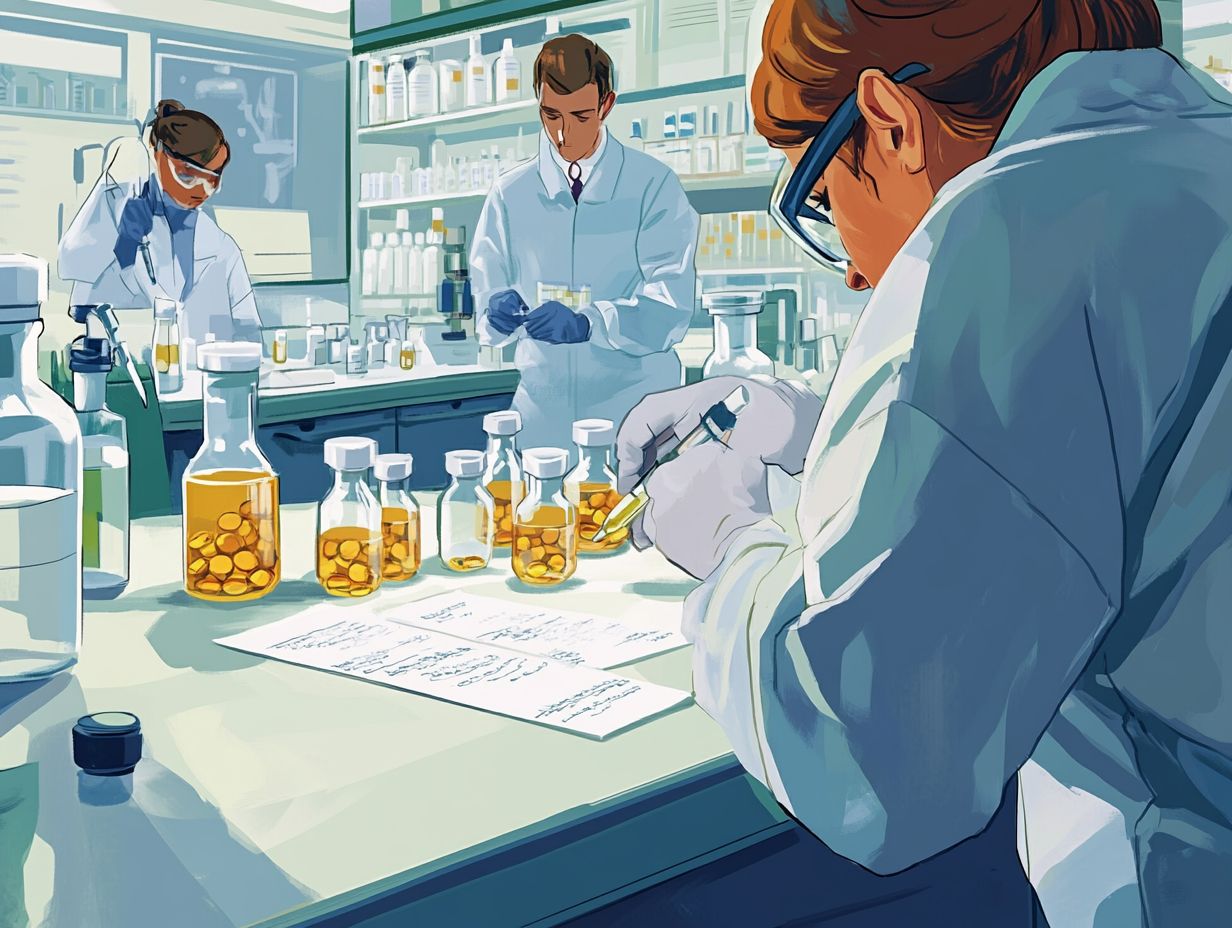
If you’re exploring how chemotherapy has advanced to fight cancer more effectively and with fewer side effects, this guide will walk you through the latest breakthroughs. From precision-targeted drugs that attack cancer cells based on their genetic makeup to innovative delivery methods like nanotechnology, these developments are reshaping cancer treatment. We’ll look at how personalized medicine, immunotherapy, and gene therapies are offering new hope, while also addressing challenges like drug resistance, side effects, cost, and accessibility to help you understand what these advances mean for you or your loved ones.
Understanding Traditional Chemotherapy
Traditional chemotherapy works by targeting all rapidly dividing cells—not only cancer cells but also some healthy cells—aiming to stop tumor growth. Common drugs like alkylating agents, antimetabolites, and plant alkaloids help treat cancers such as lymphoma, colorectal cancer, and multiple myeloma. While effective, these treatments can cause side effects like hair loss, nausea, and a higher risk of infections because they affect healthy cells too.
Targeted Therapy: Precision Attacks on Cancer Cells
If you have a cancer with certain genetic changes, targeted therapy might be an option. These drugs zero in on specific molecules or proteins involved in cancer growth. For example, trastuzumab (Herceptin) is designed for HER2-positive breast cancer, and imatinib (Gleevec) treats chronic myeloid leukemia by blocking cancer-driving genes.
By focusing on cancer cells more precisely, these therapies tend to cause fewer side effects than traditional chemotherapy. Other examples include pembrolizumab, which is used for advanced endometrial and bladder cancers.
Immunotherapy: Harnessing Your Immune System
Imagine your immune system boosted to better recognize and attack cancer cells. That’s what immunotherapy does. This treatment includes checkpoint inhibitors and CAR T cell therapy.
- Checkpoint inhibitors block proteins that prevent the immune system from attacking cancer, reactivating immune cells to fight the disease.
- CAR T cell therapy modifies your immune cells to better detect and kill cancer, especially effective in blood cancers like leukemia and lymphoma.
These therapies have opened new doors for cancers once difficult to treat.
Hormone Therapy: Managing Cancers Influenced by Hormones
Some cancers, like certain breast and endometrial cancers, grow with the help of hormones. Hormone therapy drugs reduce or block these hormone effects. Treatments include selective estrogen receptor modulators (SERMs), aromatase inhibitors, and androgen deprivation therapy (ADT). These therapies aim to lower the risk of cancer recurrence and improve survival.
Ongoing research is helping to find ways to make hormone therapy even more effective while minimizing side effects.
Combining Therapies for Better Results
Sometimes using multiple treatments together—like chemotherapy combined with immunotherapy or targeted drugs—works better than one alone. Combination therapy attacks cancer from different angles, reducing drug resistance and improving results in challenging cancers like pancreatic or brain cancers.
Personalized Medicine: Tailoring Treatment to You
If you’ve had genetic testing done on your tumor, personalized medicine might be the next step. Oncologists use genomic profiling to find specific mutations in your cancer cells and choose therapies that target them precisely. This approach not only improves how well treatment works but also helps avoid unnecessary side effects.
Personalized treatments currently benefit many cancers, including those related to genetic syndromes like Lynch syndrome, and continue to expand as research advances.
Nanotechnology: Delivering Drugs with Precision
Nanotechnology uses ultra-small particles to ferry chemotherapy drugs straight to the tumor, sparing healthy tissues. These carriers, like liposomes and dendrimers, protect drugs as they travel and release them in precise amounts, improving effectiveness and reducing side effects.
This technology is a promising frontier in making chemotherapy more targeted and tolerable.
Gene Therapy: Editing Cancer at Its Core
Gene therapy, combined with chemotherapy, uses tools like CRISPR/Cas9 to edit cancer genes, making cells more sensitive to treatment. This method can help overcome resistance and enhance the effectiveness of chemotherapy, with clinical trials ongoing for aggressive cancers such as HER2-Amplified bile duct cancer.
While still emerging, gene therapy holds the promise of personalized treatments that could revolutionize cancer care.
Innovative Drug Delivery Systems
Advances beyond nanotechnology include implantable devices and improved formulations like liposomes and nanoparticles. These methods allow drugs to reach tumors more directly, reduce toxic effects on healthy tissues, and improve patient convenience and adherence to treatment.
Addressing Drug Resistance
Many cancers develop resistance to chemotherapy, which limits its effectiveness. New strategies combining targeted therapies, immunotherapy, and combination treatments aim to outsmart this resistance by attacking tumors through multiple pathways and the tumor microenvironment.
Managing Side Effects and Supporting You
Side effects like nausea, fatigue, and hair loss are common but manageable with medications, dietary changes, and support groups. Learning about potential side effects and how to handle them can help you stick with treatment and improve your quality of life.
Ongoing Clinical Trials and Hope for the Future
Clinical trials are essential for finding better treatments. They explore new drugs and combinations, often focusing on personalized medicine and precision therapies. Participating in trials can offer access to cutting-edge treatments and help advance care for everyone.
For the latest trial information, visit the National Cancer Institute’s clinical trials page.
Cost and Accessibility Considerations
While advances have improved treatment options, the high cost of new chemotherapy drugs can be a barrier. Insurance coverage varies, and affordability remains a significant concern. Advocating for transparency in drug pricing and policy reforms is critical to making these life-saving therapies accessible to more patients.
Frequently Asked Questions
What Are the Latest Advances in Chemotherapy Drugs?
Recent advances include targeted therapies that specifically attack cancer cells, immunotherapies that enhance your immune system’s ability to fight cancer, combination treatments to improve effectiveness, oral chemotherapy drugs that increase convenience, nanotechnology for precise drug delivery, and personalized medicine that tailors treatment to your genetic profile.
How Do Targeted Therapies Work?
Targeted therapies block specific molecules or pathways that cancer cells need to grow and survive. By focusing on these targets, they slow or stop tumor growth while causing fewer side effects because healthy cells are mostly spared.
Which Cancers Can Be Treated with Immunotherapy?
Immunotherapy has been effective in treating lung cancer, melanoma (skin cancer), bladder, kidney, and blood cancers like leukemia and lymphoma. Research is ongoing to expand its use to many other cancer types.
How Does Nanotechnology Improve Chemotherapy?
Nanotechnology delivers chemotherapy drugs using tiny particles that can home in on tumors, maximizing drug concentration where needed and minimizing harm to healthy tissues. This targeted delivery reduces side effects and increases treatment precision.
Are Oral Chemotherapy Drugs Suitable for Everyone?
Oral chemotherapy offers the benefit of taking medication at home, improving convenience and reducing hospital visits. However, they may not be suitable for all cancer types or stages, as some require intravenous treatment for effectiveness.
Is Personalized Medicine Available for All Cancers, Including Advanced Endometrial Cancer?
While personalized medicine is growing rapidly, not all cancers currently have targeted therapies or genetic tests available. Advanced research at centers like Memorial Sloan Kettering Cancer Center (MSK) is expanding these options, especially in cancers like endometrial cancer, with ongoing clinical trials aiming to make precision therapies more broadly accessible in the future.