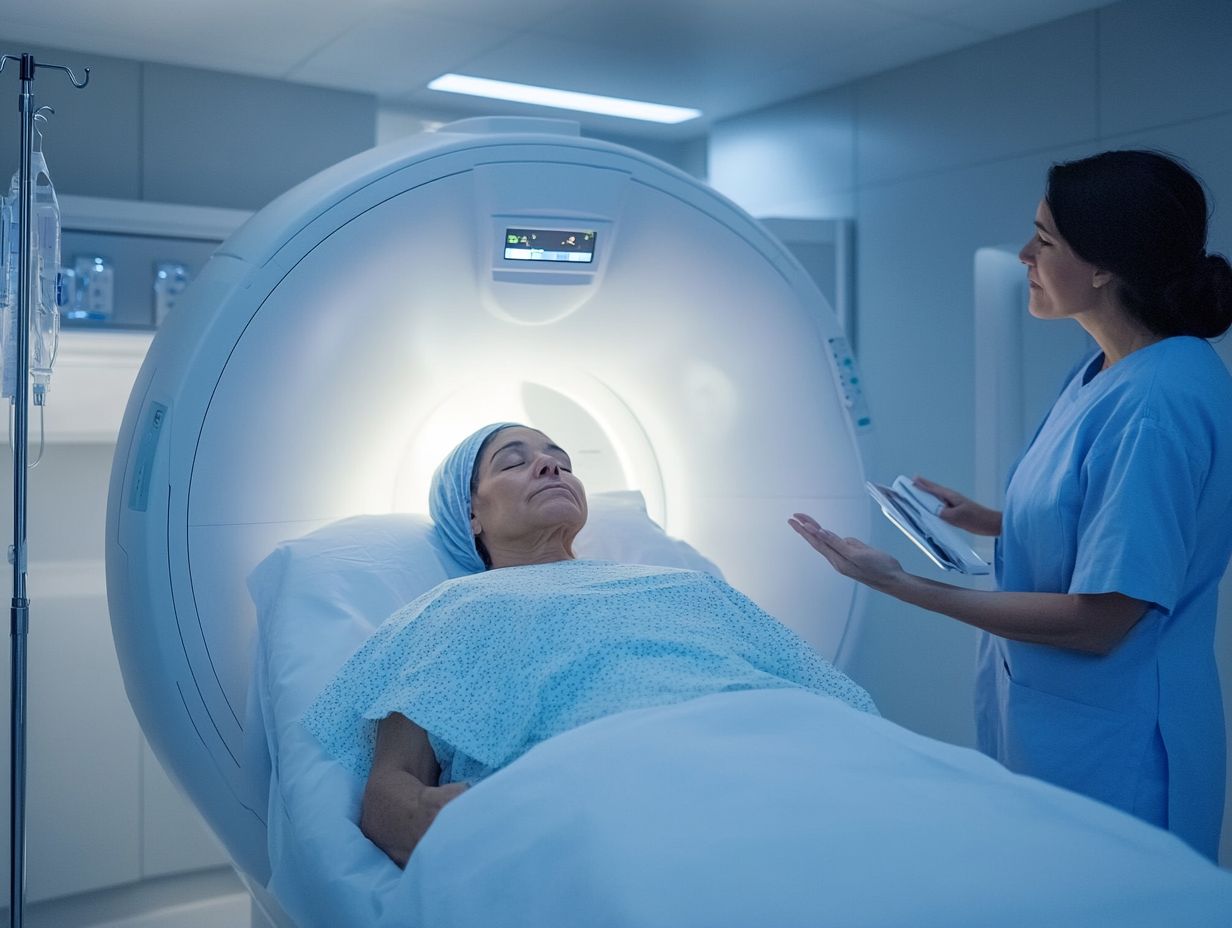
Are you seeking ways to relieve cancer symptoms and improve quality of life during treatment? Palliative radiation therapy offers targeted relief from pain and other distressing symptoms caused by advanced cancers. By focusing radiation precisely on affected areas, this therapy helps shrink tumors, control symptoms, and minimize side effects. This guide will help you understand how palliative radiation therapy works, its benefits, who can benefit most, and what to expect throughout treatment.
What Is Palliative Radiation Therapy?
Palliative radiation therapy is a specialized form of radiation treatment designed to ease cancer-related symptoms rather than cure the disease. It targets cancerous tumors to reduce pain, discomfort, and other symptoms caused by tumor growth or spread. This approach is commonly used in advanced cancers such as glioblastoma, pancreatic cancer, lung cancer, and bone metastases. The goal is to improve your comfort and overall quality of life.
The therapy uses precise techniques like external beam radiation therapy and stereotactic radiosurgery to deliver high-energy rays to cancer cells while sparing healthy tissue.
Benefits of Palliative Radiation Therapy
Pain Relief and Symptom Control
If cancer causes you pain or difficulty with breathing, movement, or neurological function, palliative radiation can significantly reduce these symptoms. By shrinking tumors that press on nerves, bones, or organs, it relieves pain and improves your ability to engage in daily activities.
This targeted therapy is especially effective for painful bone metastases and tumors affecting the brain or pancreas.
Improved Quality of Life
Beyond physical symptom relief, palliative care addresses emotional, psychological, and social needs through multidisciplinary teams including doctors, therapists, and social workers. Integrating radiation therapy with holistic support can increase your overall well-being by up to 30%, based on clinical studies.
Reduced Side Effects Compared to Traditional Treatments
Thanks to advanced radiation techniques and hypofractionated treatment schedules (which use fewer, larger doses), side effects like fatigue, skin irritation, and gastrointestinal discomfort are minimized. This allows you to maintain better energy and comfort during therapy.
Flexible Treatment Options and Outpatient Care
Palliative radiation can be tailored to your specific cancer type, symptoms, and overall health. Treatments are often delivered on an outpatient basis, allowing you to receive care without hospitalization and continue your daily routines.
Can Be Used Alongside Other Therapies
If you are undergoing chemotherapy, immunotherapy, or surgery, palliative radiation therapy can complement these treatments to enhance symptom control and improve outcomes. This integrated approach is supported by leading cancer care guidelines from organizations like the World Health Organization (WHO) and the National Comprehensive Cancer Network (NCCN).
How Does Palliative Radiation Therapy Work?
Radiation therapy uses focused high-energy waves to damage cancer cells’ DNA, limiting their ability to grow and spread. When targeting specific tumor sites, it helps reduce tumor size and pressure on nearby tissues and nerves.
Techniques like volumetric arc therapy and stereotactic radiotherapy allow precise delivery of radiation beams that conform to the tumor’s shape, sparing healthy tissue and reducing side effects.
Common Side Effects to Expect
While palliative radiation therapy aims to minimize side effects, you might experience:
- Fatigue or tiredness
- Mild skin irritation or redness at the treatment site
- Localized discomfort or swelling
Your radiation oncologist will monitor you closely to manage these effects swiftly and keep you comfortable throughout treatment.
Who Can Benefit from Palliative Radiation Therapy?
You may be a candidate for palliative radiation therapy if you have advanced or metastatic cancer causing significant pain or other symptoms. It is often recommended when:
- You have limited treatment options due to age, overall health, or comorbidities
- Symptoms like pain, difficulty breathing, or neurological issues impact your daily life
- Your care team aims to improve your quality of life alongside other therapies
Discuss with your oncologist whether palliative radiation aligns with your personal goals and treatment plan.
Duration and Treatment Schedule
Treatment length varies depending on your cancer type, symptom severity, and overall health. Some patients receive single-session (single-fraction) treatment, especially when prognosis is limited, while others benefit from multiple sessions over several weeks for sustained symptom control.
Costs and Accessibility
Costs of palliative radiation therapy depend on your treatment facility, insurance coverage, and specific care needs. Expenses may include facility fees, physician consultations, imaging, treatment sessions, and medications.
Financial assistance programs and counseling are available to help manage costs — if you’re concerned about affordability, ask your care team or visit resources like the National Cancer Institute’s financial resources.
Frequently Asked Questions
What symptoms can palliative radiation therapy help with?
It primarily helps relieve pain, difficulty breathing, neurological problems, and symptoms caused by tumors pressing on organs or nerves.
Is palliative radiation therapy painful?
No, the procedure itself is painless. You may feel mild discomfort from lying still during treatment but will not feel the radiation.
Can palliative radiation therapy cure cancer?
Palliative radiation is focused on symptomatic relief rather than cure, though some cases may also aim for tumor reduction. Curative radiation therapy uses higher doses to eliminate early-stage tumors.
How soon will I feel relief from symptoms?
Many patients notice symptom improvement within days to weeks after treatment, though this varies by individual and cancer type.
Where can I learn more about palliative radiation therapy?
Trusted sources include the National Cancer Institute, Mayo Clinic, and the World Health Organization.
If you or a loved one are coping with advanced cancer symptoms, palliative radiation therapy can be a compassionate option to improve comfort and quality of life. Always consult your oncology team to discuss how this treatment fits into your personalized care plan.