Cancer support encompasses a range of services designed to assist individuals with cancer, their families, and caregivers in managing the multifaceted challenges associated with the disease. These services include medical assistance, emotional counseling, surgery, and social resources aimed at enhancing quality of life throughout the cancer journey.
The stages of cancer support extend from initial diagnosis through treatment, living with cancer, and end-of-life care. Each phase addresses specific needs, providing targeted support to help patients navigate their experience. Medical support focuses on systemic treatments like chemotherapy and surgery, while emotional and social support offers counseling and community resources to manage the psychological and practical aspects of cancer.
Accessing cancer support involves connecting with local and national organizations, such as the American College of Surgeons and the National Cancer Institute, that provide resources and financial assistance to ease the journey. By leveraging these support systems, patients can find guidance and essential services tailored to their unique circumstances.
Key Takeaways:
What is Cancer Support?

Cancer support provides services to help individuals with cancer, their families, and caregivers manage emotional, practical, and financial challenges, including those related to different cancer types like leukemia, colon cancer, and breast cancer.
Cancer support includes:
- Medical assistance
- Counseling
- Financial aid
- Community resources for comprehensive care
The goal of cancer support is to enhance the quality of life and provide essential resources throughout the cancer journey.
Types of Cancer Support
Types of cancer support include medical, emotional, and social support.
-
Medical support provides treatment options like chemotherapy and surgery.
-
Emotional support offers psychological counseling and peer groups.
-
Social support connects patients with community resources and daily assistance.
Medical Support
Medical support for cancer care involves treatments like chemotherapy, surgery, and adjuvant treatment to target primary tumors and manage metastasis.
Oncologists determine treatments based on cancer staging, utilizing systems like the TNM system, and the specific cancer type.
The medical team, including surgeons and nurses, monitors patient progress and adjusts treatments and strategies.
Medical support aims to eradicate abnormal cells, reduce tumor size, and improve prognosis, especially in cases of localized and carcinoma in situ stages.
Emotional and Mental Support
Emotional and mental support are crucial for cancer patients to manage anxiety, depression, and feelings of isolation.
Counseling services, support groups, and mental health resources help patients connect with others and navigate their emotions.
Engaging in cancer communities provides reassurance and give the power tos patients to share experiences, fears, and hopes during treatment and recovery.
Professional counseling offers strategies to cope with cancer’s psychological impacts, enhancing resilience and overall well-being.
Social Support
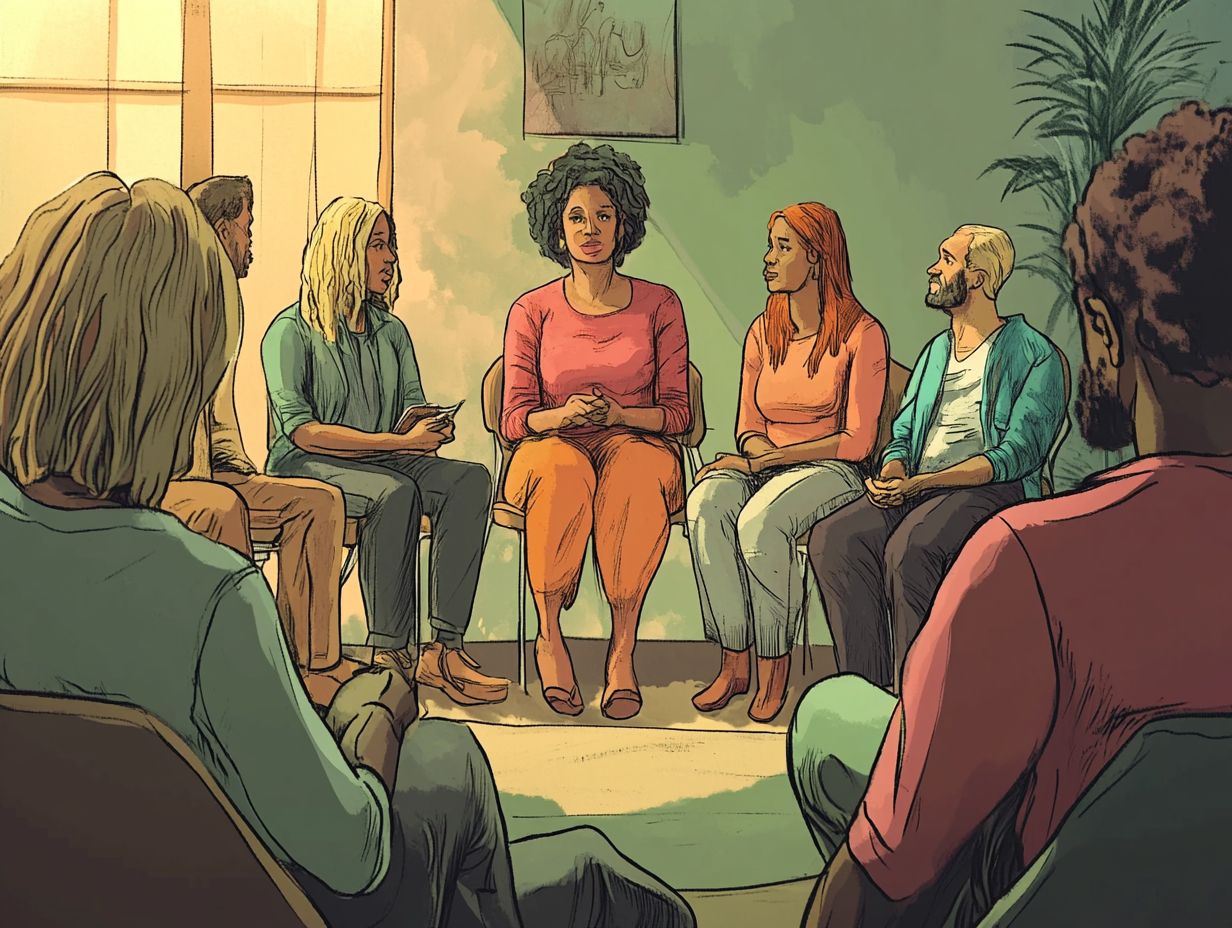
Social support in the cancer journey includes community resources, advocacy services, and family support that help alleviate treatment burdens.
Social support provides transportation assistance, access to treatments, and educational materials.
Cancer advocacy organizations offer guidance and financial aid.
Support groups and family involvement provide emotional support and enhance patient well-being.
Stages of Cancer Support
Stages of Cancer Support involve phases that address a patient’s needs from diagnosis through end-of-life care.
The stages include:
- Initial diagnosis support
- Treatment assistance
- Emotional resilience building
- End-of-life preparation
Each stage requires specific support to help patients manage their cancer journey.
Early Diagnosis and Treatment
Early diagnosis and treatment are crucial for effective cancer management, improving outcomes by targeting cancer at the clinical stage.
Diagnosis uses the TNM system to evaluate the primary tumor, lymph nodes involvement, and metastasis, helping to determine the clinical stage and pathological stage of the cancer.
Early intervention enables a broader range of treatment options like surgery or chemotherapy.
The TNM system standardizes cancer severity assessment, aiding personalized treatment plans.
Living with Cancer
Living with cancer involves managing physical symptoms, emotional challenges, and lifestyle adjustments to maintain quality of life.
Cancer patients require support for coping with symptoms that affect daily life, seeking emotional resilience, and adapting diets and exercise routines.
Access to support networks and medical guidance is crucial for providing comfort, practical strategies, and fostering hope.
End of Life Support

End of life support is care provided to patients in the final stages of terminal illness to ensure comfort and dignity.
End of life support includes pain management, emotional support, and assistance with legal and logistical matters.
Hospice and palliative care professionals offer tailored interventions to meet individual needs and support families.
How to Find and Access Cancer Support
To find and access cancer support, search for local support groups, counseling services, and national organizations dedicated to helping cancer patients, especially in managing blood cancers and systemic treatments.
Contact organizations like the American Cancer Society or Cancer Support Community for resources on treatment, financial assistance, and advocacy.
Visit online platforms or call hotlines for immediate support and guidance tailored to your specific needs.
Resources and Organizations
Cancer patients and families can access support from organizations like the National Cancer Institute and the American College of Surgeons.
These organizations provide resources such as educational materials, support networks, and advocacy initiatives.
Local support groups offer services like counseling, financial assistance, and transportation aid to help during treatment.
Programs like the Cancer Support Community provide emotional support and educational events.
Financial Assistance
Financial assistance for cancer patients refers to monetary support provided by organizations to help cover treatment expenses such as medications, surgeries, and therapy.
Financial aid is available through grants from organizations like the HealthWell Foundation to reduce out-of-pocket costs for patients.
Resources like the Cancer Financial Assistance Coalition help patients navigate available financial support options.
Frequently Asked Questions

What are the different stages of cancer support?
The stages of cancer support refer to the different emotional, physical, and psychological challenges that individuals face when dealing with cancer. These stages typically include diagnosis, treatment, post-treatment, and survivorship.
How can understanding the stages of cancer support help me?
Understanding the stages of cancer support can help you prepare for and cope with the physical and emotional challenges that come with a cancer diagnosis. It can also help you identify what type of support you need at each stage and how to access it.
What support is available during the diagnosis stage?
During the diagnosis stage of cancer, support may include emotional support from loved ones, information and resources from healthcare professionals, and support groups for individuals facing a cancer diagnosis.
What support is available during the treatment stage?
During the treatment stage, support may include medical treatment from healthcare professionals, emotional support from loved ones, and assistance with managing side effects of treatment.
What support is available during the post-treatment stage?
During the post-treatment stage, support may include follow-up care from healthcare professionals, emotional support for managing the fear of recurrence, and resources for adjusting to life after treatment.
What support is available during the survivorship stage?
During the survivorship stage, support may include resources for managing long-term side effects of treatment, support groups for cancer survivors, and emotional support for coping with the emotional impact of being a survivor.