If you’re caring for a loved one facing a chronic illness or cancer, you play an indispensable role in their treatment and healing journey. As a caregiver, you provide more than just daily help—you become their advocate, emotional support, and bridge to healthcare providers. While this role is incredibly rewarding, it also comes with challenges like emotional stress, fatigue, and balancing your own well-being. Understanding the unique responsibilities of caregivers, recognizing the importance of self-care, and knowing where to find support can make a powerful difference for both you and the person you are caring for.
Why Caregivers Matter in the Treatment Journey
Caregivers are the backbone of patient support, ensuring continuity of care and improving health outcomes. By maintaining clear communication with doctors and healthcare teams, caregivers help coordinate treatments, manage medications, and monitor symptoms. You might find yourself juggling emotional support with practical tasks—from helping with daily routines to advocating for your loved one’s needs. This dual role can significantly reduce patient stress and improve quality of life throughout different stages of illness.

Different Types of Caregivers and Their Roles
Caregivers come from all walks of life. Family members and friends often step in as unpaid caregivers, offering personalized care rooted in deep relationships. Professionals, such as nurses or home health aides, bring specialized skills and provide structured medical care. Volunteers might assist through community programs or respite services as well. If you’re caring for someone at home, you might even serve as a live-in caregiver, which involves continuous support. Each type brings unique strengths but can also face distinct pressures.
Recognizing and Managing Caregiver Challenges

It’s normal to feel overwhelmed at times. Caregivers frequently face emotional exhaustion, physical fatigue, and the stress of balancing personal responsibilities alongside caregiving duties. Symptoms like anxiety, loneliness, or burnout aren’t signs of weakness but signals that you need support.
You can manage these challenges through practices such as mindfulness meditation, joining caregiver support groups, and setting aside time for yourself—even short breaks help sustain your energy and resilience. Maintaining a balanced diet, regular exercise, and adequate sleep are essential components to keep you healthy.
Support Systems and Resources for Caregivers
You don’t have to do this alone. Many community resources exist to assist caregivers, including respite care services that provide temporary relief, educational workshops, and counseling programs. Support groups offer a safe space to share your experiences and learn from others who understand your journey. Healthcare teams can perform family assessments to tailor support plans based on your needs.
Exploring these services can lighten your load and help prevent burnout, ultimately benefiting both you and your loved one.
Practical Tips to Thrive as a Caregiver

Consider setting a structured routine that includes regular breaks, healthy meals, and time for activities you enjoy. Communicate openly with your loved one’s healthcare providers to stay informed and involved in care decisions. Don’t hesitate to ask for help from family, friends, or community volunteers.
Cultivating hobbies, social connections, and relaxation techniques like yoga or deep breathing can nurture your mental and emotional well-being. Taking care of yourself is not a luxury—it’s essential to being an effective caregiver.
Frequently Asked Questions
What exactly does a caregiver do during a treatment journey?
Caregivers provide a blend of emotional support, practical assistance, and healthcare coordination. They help with medications, accompany loved ones to appointments, offer comfort during tough times, and serve as advocates to ensure the patient’s needs are met.
How can I better support my loved one through their treatment?
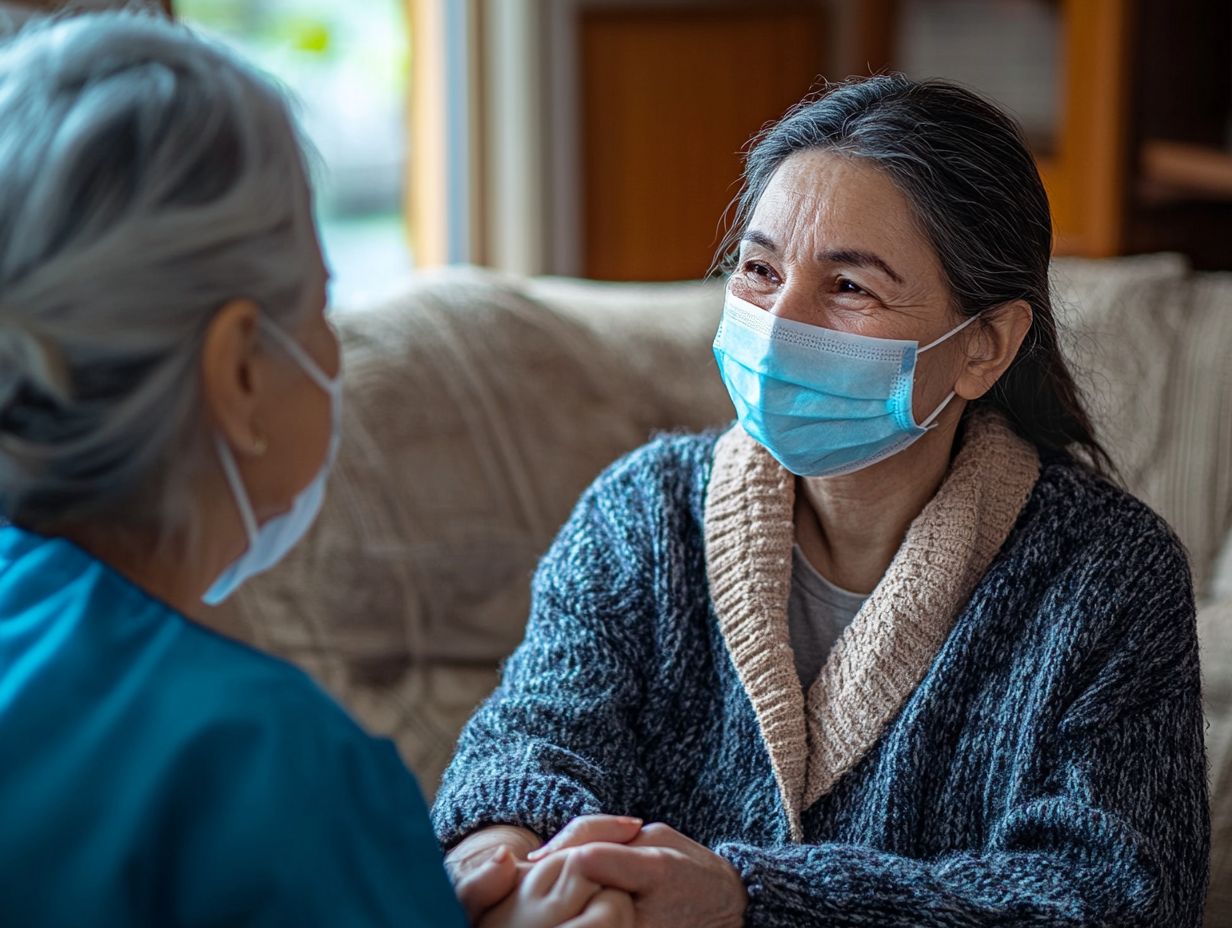
By being present and engaged—attend medical appointments together, help organize medication schedules, assist with daily tasks, and offer a listening ear. Staying informed about treatment plans allows you to provide timely and compassionate support.
What are the common challenges caregivers face?
Caregivers often struggle with stress, emotional fatigue, health neglect, and managing multiple responsibilities. Feelings of isolation and worry about the future are also common. Financial pressures and lack of time can add to the burden.
How can I take care of myself while caring for someone else?
Prioritize your own health by scheduling breaks, practicing stress-reduction techniques like meditation, seeking counseling or support groups, and maintaining a healthy lifestyle. Remember, your well-being directly impacts your ability to care for others.
Where can I find help or support as a caregiver?
Look into community organizations offering respite care, caregiver workshops, and support networks. Healthcare professionals can connect you with local resources. Trusted sources such as the National Cancer Institute and the Mayo Clinic provide excellent guidance tailored for caregivers.