Prostate cancer treatment has seen remarkable progress in recent years, bringing hope for more effective and personalized care. Today’s advancements range from improved understanding of prostate cancer biology to promising therapies like radioligand and targeted treatments. Innovations such as genetic testing and artificial intelligence are helping tailor therapies to your unique needs and supporting more precise diagnoses. By staying informed about these developments, you can collaborate closely with your healthcare team to make the best treatment choices, aiming not just for longer survival but a better quality of life.
Understanding Prostate Cancer: What You Should Know
Prostate cancer starts when cells in the prostate gland—a small, walnut-shaped organ in the male reproductive system—begin to grow uncontrollably. This gland’s main job is to produce fluid that supports sperm. While the exact cause of prostate cancer isn’t fully understood, certain risk factors can increase your chances, especially as you get older. Age is the most significant risk factor, with most cases diagnosed in men over 50. If you have close family members who had prostate cancer, or if you’re African American, your risk may be higher. Lifestyle factors such as obesity, smoking, and inactivity might also play a role.
In early stages, prostate cancer often doesn’t cause noticeable symptoms, which is why regular screenings like PSA tests and digital rectal exams are vital, particularly if you have risk factors. Later symptoms can include frequent urination, difficulty starting or stopping urination, weak urine flow, blood in urine or semen, and sometimes erectile difficulties. Because these signs can overlap with non-cancerous conditions, it’s important to consult a healthcare provider for accurate diagnosis. To learn more about risk factors and symptoms, visit the National Cancer Institute’s prostate cancer page.
The Biology Behind Prostate Cancer
At its core, prostate cancer is driven by changes in the cells of the prostate gland. One vital player is the androgen receptor, a protein that responds to male hormones like testosterone. In prostate cancer, this receptor can become overactive, encouraging tumor growth. This understanding has led to therapies that specifically block androgen receptors or lower hormone levels, slowing cancer progression. Scientists continue to study genetic mutations in prostate cancer cells to develop even more targeted treatment options.
Traditional Treatments: Surgery, Radiation, and Hormone Therapy
For many years, surgery, radiation therapy, and hormone therapy have been the backbone of prostate cancer treatment. Surgery usually involves removing the prostate gland and is often recommended for early-stage cancers. Techniques have advanced from traditional open surgery to less invasive options like robotic-assisted surgery, which may reduce recovery time.
Radiation therapy uses concentrated beams of energy to kill cancer cells. It can be external beam radiation or internal radiation (brachytherapy), depending on your specific situation. Radiation might be preferred if surgery isn’t suitable or as an additional treatment.
Hormone therapy, or androgen deprivation therapy, lowers testosterone levels or blocks its effect on cancer cells. It’s often used alongside other treatments, especially when cancer has spread. Though hormone therapy can control cancer progression, it’s generally not a cure, and cancer cells might eventually become resistant.
Each of these treatments can have side effects, such as urinary incontinence or erectile dysfunction, so it’s essential to discuss the pros and cons with your healthcare provider tailored to your health and cancer stage. For detailed treatment information, the Mayo Clinic’s prostate cancer treatment guide is a trusted resource.
New Horizons in Prostate Cancer Treatment
Beyond traditional treatments, exciting new therapies are emerging. Radioligand therapy is one such innovation, combining a targeted molecule with radioactive particles to seek out and destroy prostate cancer cells, especially helpful in advanced metastatic cases.
Targeted therapies are drugs designed to attack specific molecules involved in cancer growth, aiming to damage cancer cells while sparing healthy tissue. Researchers are continually developing and approving new targeted treatments that could offer more personalized options.
Looking Ahead: Genetic Testing and Artificial Intelligence
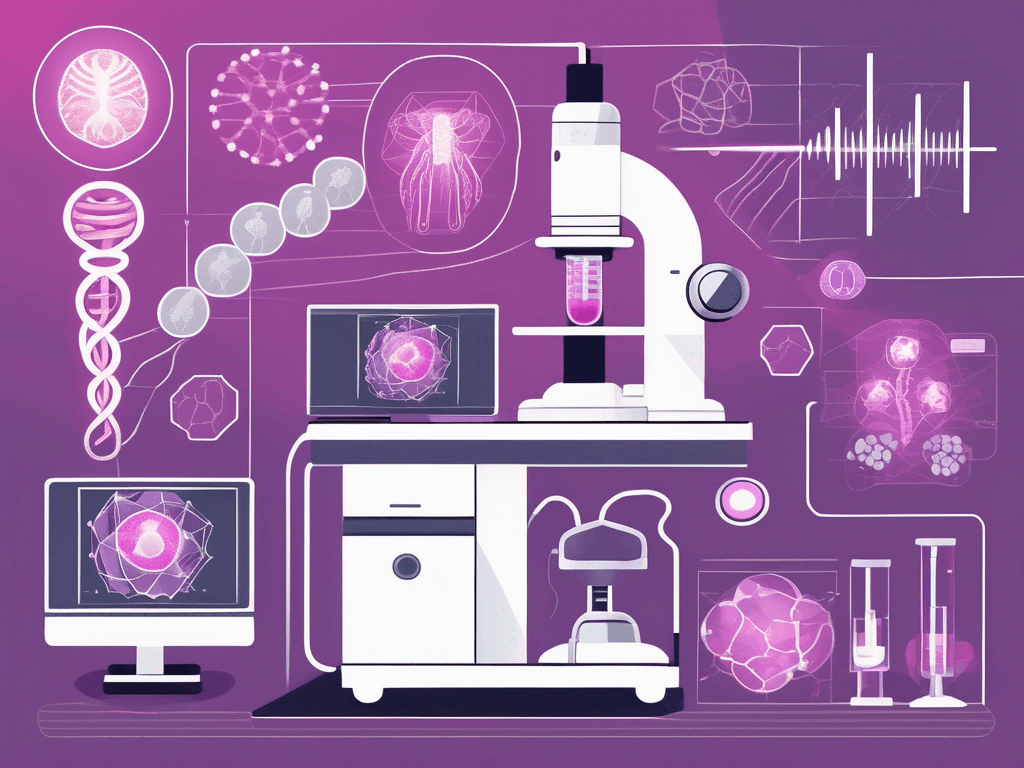
Looking ahead, genetic testing is becoming an important tool. By analyzing your cancer’s genetic makeup, doctors can customize treatment plans to your tumor’s unique characteristics, potentially improving outcomes. For example, identifying mutations in DNA repair genes may open the door to therapies like PARP inhibitors.
Artificial intelligence (AI) is increasingly used to analyze medical images, pathology reports, and genetic data, helping doctors make faster and more accurate diagnoses and treatment decisions. AI’s role continues to grow, providing promising support in managing prostate cancer more effectively.
Balancing Benefits and Risks: What You Should Consider
While these advancements bring hope, it’s important to understand their potential side effects and risks. Some new therapies may cause fatigue, nausea, or other issues that can affect your quality of life. Discuss any concerns with your oncologist to make informed choices that align with your preferences and goals.
Survival rates are improving thanks to these developments, but remember that maintaining your well-being, managing symptoms, and preserving daily function are equally important parts of successful treatment.
Taking Charge of Your Care
If you or a loved one has been diagnosed with prostate cancer, staying informed about these evolving treatment options empowers you to take an active role in your care. Open communication with your healthcare team, regular screenings, and understanding your unique risk profile are key steps toward the best possible outcomes.
For more comprehensive information, explore resources like the Prostate Cancer Foundation, the American Cancer Society, and trusted cancer education YouTube channels such as Cancer Research UK.
Frequently Asked Questions
- How often should I get screened for prostate cancer?
If you’re over 50, or younger with risk factors like family history or being African American, you should talk to your doctor about regular PSA blood tests and digital rectal exams. Screening frequency depends on your risk and medical history. - What should I expect from hormone therapy?
Hormone therapy reduces the testosterone that helps prostate cancer grow. Side effects can include hot flashes, reduced libido, fatigue, and bone thinning. Your doctor will monitor you closely to manage these effects. - Can genetic testing change my treatment?
Yes. Genetic testing can identify mutations that suggest certain therapies might work better for you, enabling personalized treatment plans. - Is radioligand therapy widely available?
Radioligand therapy is an emerging treatment mostly available at specialized centers and for specific cases, often advanced prostate cancer. Your cancer specialist can advise if it’s appropriate for you. - How can AI improve my diagnosis and treatment?
AI helps doctors analyze complex data quickly and accurately, leading to better diagnosis and personalized treatment plans. It supports—not replaces—your healthcare team’s expertise.
Staying proactive, asking questions, and collaborating with your healthcare providers can help you navigate prostate cancer treatment effectively. Remember, you are not alone, and advances in medicine continue to change the landscape toward better hope and healing.