Wondering how cancer screening can help you catch disease early and improve your chances of successful treatment? Cancer screening offers powerful tools to detect cancer before symptoms arise, often preventing it altogether. This guide walks you through common screening tests, explains when and why to get screened, and helps you take charge of your health with personalized advice and the latest advancements. Understanding these options empowers you to work with your healthcare provider and make informed decisions that fit your unique risks and lifestyle.
Why Cancer Screening Is Essential for Your Health
Cancer can develop quietly and silently, often without symptoms in its early, most treatable stages. That’s why screening tests are so important—they help find cancer or precancerous changes before you notice any problems. For example, regular colonoscopies can detect and remove polyps, which are small growths that might turn into colon cancer if left unchecked. If you want to learn more, visit this detailed explanation of the crucial role colonoscopy plays in cancer prevention.
Common Cancer Screening Tests You Should Know About
Breast Cancer and Mammograms
If you’re a woman over 40, or have a higher risk of breast cancer, mammograms can be a life-saving test. Using low-dose X-rays, mammograms detect breast changes before you can feel them, helping doctors spot cancer early. To get a complete picture of important cancer screenings, this resource on key cancer screening tests is very helpful.
Cervical Cancer and Pap Smears
Pap smears collect cells from your cervix to look for early signs of cancer or precancerous conditions. Starting in your 20s, regular Pap tests—and sometimes HPV tests—can prevent cervical cancer by catching changes early. You can find more about how Pap smears protect women’s health here.
Colorectal Cancer and Colonoscopy
Colonoscopies give doctors a direct view of your colon and rectum, where they can detect and remove polyps during the exam. Most people should start screening at age 45, but if cancer runs in your family or you have other risks, talk with your doctor about starting earlier. If colonoscopy isn’t an option, stool-based tests are available. Learn more about this vital screening from this expert overview.
Prostate Cancer and PSA Test
The PSA blood test measures a specific protein level that can suggest prostate cancer, though elevated levels don’t always mean cancer is present. It’s important to discuss with your doctor whether PSA testing is right for you, especially if you have risk factors like family history or symptoms. For more information on when and how to screen for prostate cancer, this detailed guide can help.
Skin Exams for Melanoma
If you have a history of skin cancer, significant sun exposure, or suspicious moles, regular skin exams by a dermatologist are important. Early detection of melanoma and other skin cancers can save lives. You can explore skin exam guidelines and risks here.
Looking Ahead: New Screening Technologies
Exciting advances like multi-cancer blood tests aim to find cancers earlier than ever, including types that don’t have routine screenings yet. Genetic testing and counseling can also give you a clearer picture if your family history raises concerns. These emerging tools could become part of your personalized screening plan soon. Find out more about these innovations and how they might benefit you here.
Creating a Screening Plan That Fits You
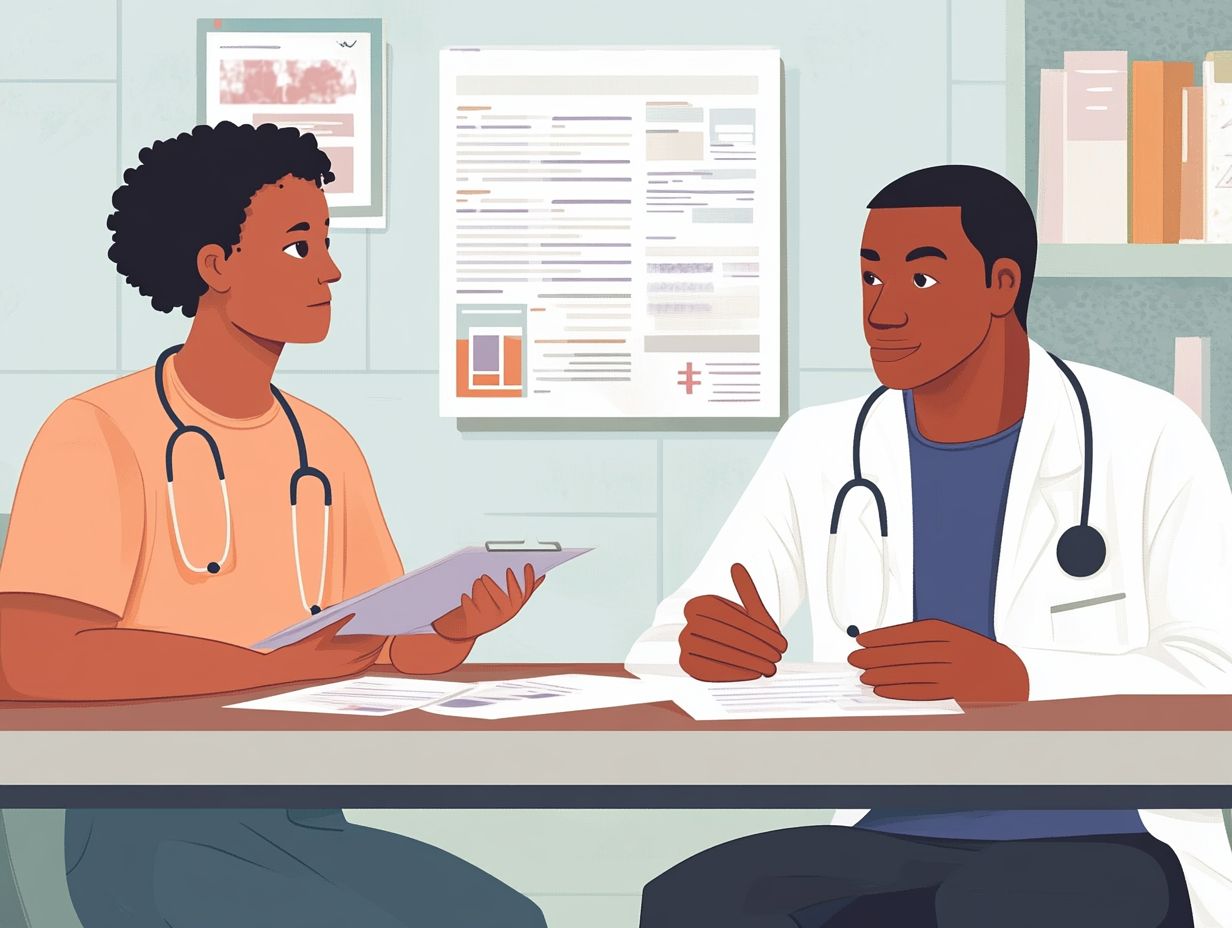
Screening recommendations aren’t the same for everyone. Your age, family history, personal health, and prior test results all shape the best approach for you. That’s why working closely with your healthcare provider is crucial. Together you can decide when to start screening and which tests make sense, balancing possible benefits against risks such as false alarms or unnecessary worry. This conversation is a key step in your cancer prevention journey.
Understanding the Benefits and Risks
The greatest benefit of screening is catching cancer early, when treatment is most effective, or even preventing it by removing precancerous changes. However, screening can sometimes result in false positives or negatives, leading to additional testing or missed diagnosis. While risks from tests are usually low, some people experience anxiety or stress around screening and follow-up procedures. Still, for most individuals at risk, the benefits outweigh these concerns.
How You Can Take Charge Today
– Talk openly with your healthcare provider about your cancer risk and screening schedule tailored for you.
– Stay informed about age-appropriate tests and any new developments in screening.
– Ask about advanced options like genetic testing or multi-cancer blood tests if you have a strong family history or other risk factors.
– Maintain a healthy lifestyle with balanced nutrition and regular physical activity to help lower cancer risk.
– Keep up with recommended screenings and promptly follow through on any further tests or treatments advised.
For detailed guidance on essential cancer screenings and how to get started, check out these comprehensive resources on early detection and screening effectiveness.
Frequently Asked Questions
1. When should I start getting cancer screening tests?
Screening starts at different ages depending on the cancer type and your risk factors. For example, most people begin colorectal screening at age 45, mammograms at 40, and Pap smears in their 20s. Your doctor can help determine the right timeline for you.
2. What if I have a family history of cancer?
If cancer runs in your family, you may need to start screening earlier or undergo more specialized testing like genetic counseling. Sharing your family history with your healthcare provider is vital to create a personalized plan.
3. Are cancer screenings always accurate?
No test is perfect. Screenings can sometimes give false positives (suggesting cancer when there isn’t any) or false negatives (missing cancer). That’s why results are interpreted carefully and may require follow-up testing.
4. Can cancer screening prevent cancer?
Some screenings, such as colonoscopy, can prevent cancer by removing precancerous lesions. Others detect cancer early when it’s easier to treat. Both prevention and early detection improve outcomes.
5. How do I talk to my doctor about cancer screening?
Be open about your personal and family medical history. Ask questions about which tests are recommended for your age and risk, what the procedures involve, and any possible risks or benefits. Your doctor can guide you to the best choices for your health.
For more trusted information, explore resources from the National Cancer Institute, Mayo Clinic, and CDC, which offer patient-friendly guides on cancer screening and prevention. Also, reputable YouTube channels like Mayo Clinic provide clear visual explanations of cancer screening tests. Taking these steps today puts you in control of your health and helps protect your future.