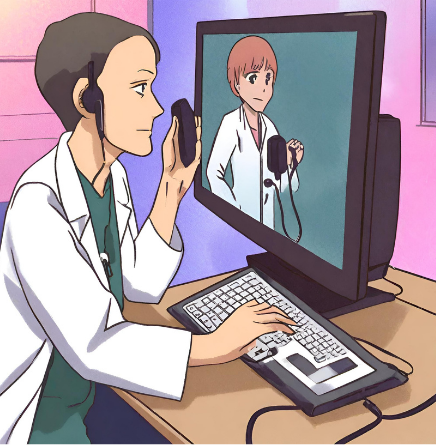
Telehealth is reshaping cancer care by making expert oncology services more accessible no matter where you live. Through video consultations, remote monitoring, and virtual support, patients can now connect with specialists, track their health, and participate in clinical trials from home. This transformation empowers you to take a more active role in managing your care, reduces the need for challenging travel, and helps detect problems early to improve outcomes. While privacy concerns and access to technology remain challenges, telehealth is paving the way toward a more convenient, inclusive, and effective future in cancer treatment.
Understanding Telehealth in Cancer Care
Telehealth uses digital tools like video calls and mobile apps to connect you with healthcare providers without needing to visit a clinic. For cancer patients, this means you can consult with oncologists regardless of where you live—whether in a city or a remote area—removing common barriers such as long travel times and physical strain. If you have difficulty reaching a cancer center, telehealth can bring expert advice directly to you through secure virtual appointments.
Beyond appointments, telehealth includes remote monitoring, where wearable devices and smartphone apps help your care team keep track of your health in real time. This allows doctors to monitor vital signs, medication schedules, and side effects from a distance so that they can quickly address issues before they become serious. For you, this means feeling safer and more supported throughout treatment.
Empowering You Through Remote Monitoring and Digital Tools
Taking part in your care is crucial to better health outcomes. With telehealth, you can actively track your symptoms and share information with your healthcare team remotely. For example, if you notice new side effects or changes in how you feel, digital platforms let you report these promptly, enabling faster medical responses.
Moreover, advances in digital pathology and imaging allow specialists to collaborate virtually. High-quality scans and pathology results can be shared instantly with experts to ensure accurate diagnosis and personalized treatment planning. This technology helps bring world-class expertise to your fingertips, no matter your location.
Joining Clinical Trials from Home: Tele-Trials
Participating in clinical trials offers access to cutting-edge treatments but has often been limited by travel challenges. Tele-trials are changing this by letting you enroll and participate from your home, making research more accessible and inclusive. This broader participation helps researchers develop therapies that work for diverse populations and brings hope for better cancer treatments in the future.
How Telehealth Improves Your Outcomes
Telehealth isn’t just convenient—it can make a real difference in your health. Studies have shown that remote care can increase patient satisfaction, lower hospital visits, and improve quality of life. By catching complications earlier through continuous monitoring, treatments can be adjusted sooner, potentially leading to better survival rates and well-being.
Addressing Challenges: Privacy, Access, and Best Practices
Naturally, using telehealth raises questions about keeping your health information private and secure. Reputable telehealth services use strong encryption and privacy policies to protect your data. If you’re concerned, ask your provider how your information is safeguarded.
Access to technology and the internet can be a barrier. If you don’t have reliable internet or devices, resources and programs are increasingly available to help bridge this “digital divide.” Don’t hesitate to discuss this with your care team—they can guide you toward support.
Healthcare providers also undergo training to deliver telehealth effectively and respectfully. Best practices include educating patients like you on using the technology confidently and ensuring fair insurance coverage for virtual care.
Looking Ahead: Telehealth as a Standard in Cancer Care
Telehealth is more than a temporary fix—it’s becoming an essential part of cancer care that puts you at the center, offering flexibility, personalized support, and timely treatment. As these technologies evolve, they will continue to reduce barriers, improve health outcomes, and make high-quality cancer care a reality for more people worldwide.
For more detailed information on telehealth in oncology, you can visit the National Cancer Institute’s page on Telehealth and Cancer Care or the Mayo Clinic’s resources on telemedicine.
FAQs
- Can I have all my cancer appointments through telehealth?
While many consultations, follow-ups, and some monitoring can be done remotely, certain treatments and procedures require in-person visits. Your care team will guide you on which visits are best done in person. - Is telehealth secure and private?
Yes, telehealth platforms use advanced security measures to protect your information. Always use recommended apps or websites provided by your healthcare provider to ensure safety. - What if I don’t have reliable internet or technology?
Talk to your healthcare provider—they may offer resources, community programs, or alternatives to help you access telehealth services. - How do tele-trials work if I participate in a clinical trial remotely?
Tele-trials enable you to take part by completing many assessments and consultations via telehealth, reducing travel and making enrollment easier. However, some tests might still require occasional in-person visits. - Will my insurance cover telehealth cancer care?
Most insurance plans now cover telehealth services similarly to in-person care, but policies can vary. Check with your insurer or care team to understand your coverage.